For years, Budapest was Moscow’s friend in the EU. Now Russia’s hybrid campaign against Europe has caught its attention. And not in a good way.
Hungary has expelled ten Russian diplomats over activities that authorities said breached the rules governing diplomatic work. The European Commission called the move a legitimate response to Russia’s ongoing campaign of hybrid attacks against the EU and its member states.
“The European Union expresses its full solidarity with Hungary and reaffirms its support for the diplomatic and consular activities of all member states conducted in accordance with international law,” European Commission spokesperson Christian Wigand said.
He also called Hungary’s decision “legitimate”, describing it as an “expected reaction” to “Russia’s persistent campaign in using hybrid attacks against the EU and its member states”.
Back to Moscow
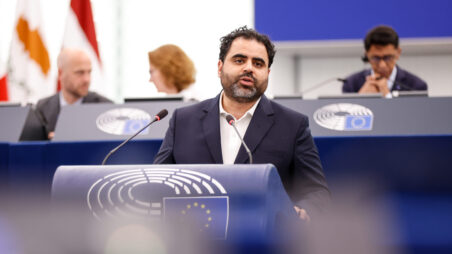
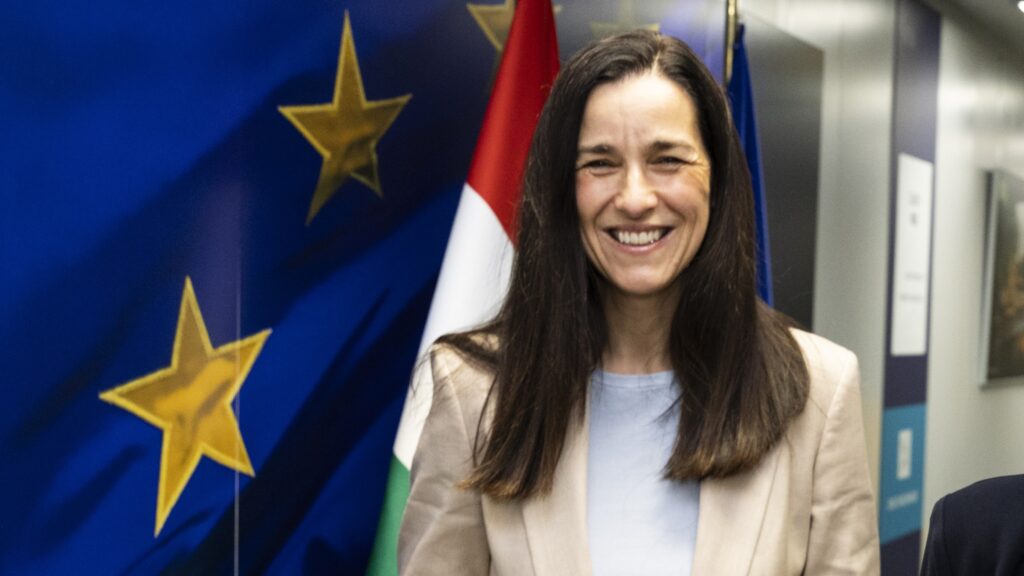
Hungary’s foreign ministry told Russia’s ambassador on Tuesday that ten members of the Russian diplomatic mission must leave the country. Minister Anita Orbán said Hungarian authorities had deemed their activities unacceptable for diplomats under the Vienna Convention. Budapest did not disclose what those activities involved.
“This decision protects Hungary’s security and sovereignty. It does not imply breaking off diplomatic relations with Russia,” Ms Orbán stated. Hungary, she added, would continue the necessary dialogue with Moscow “based on mutual respect and adherence to the rules”.
Moscow has already threatened retaliation. Russian Foreign Ministry spokesperson Maria Zakharova said the response to “the Russophobic lobby” would be “harsh and painful”.
The end of the Orbán era… and a new course?
Could the move be another sign that Budapest is edging closer to the European line on Moscow after Viktor Orbán’s departure? Expelling ten diplomats alone would hardly amount to a foreign-policy revolution. But the timing is telling, given Hungary’s change of government this year.
Viktor Orbán lost April’s election after 16 years in power, and Péter Magyar took over as prime minister. Orbán’s government ranked among Europe’s friendliest towards Moscow. It repeatedly clashed with other EU countries over its approach to Russia and Ukraine.
The new government has already sent several signals that it wants to handle the issue differently. Expelling ten Russian diplomats is one of the clearest yet.
The response to the Russophobic lobby in Budapest will be harsh and painful. — Maria Zakharova, Russian Foreign Ministry spokesperson
The shift towards Brussels, however, comes with caveats. The new government, for instance, rejected a new EU rule restricting temporary protection for some Ukrainian men of military age. Mr Magyar said Hungary would take a different approach and continue protecting those who need it. Budapest has paid particular attention to ethnic Hungarians in Ukraine’s Transcarpathia region.
So does the expulsion of Russian diplomats mark a genuine shift towards the EU’s policy on Russia? The Commission did not go that far on Tuesday. Hungary still takes its own line on some issues involving Ukraine.
But the new government is clearly seeking better relations with Brussels. And when it comes to Russia’s hybrid threats, Budapest has now found itself on the same side as the rest of the EU.