Europe’s next farm subsidy rules could weaken protections for agricultural workers and leave smaller farms without vital support. Farmers’ groups and trade unions fear that a new approach would let national governments decide which safeguards to keep, widening the gap between farmers across the EU.
The concerns follow the Council of the EU’s 26 October partial agreement on the Common Agricultural Policy (CAP) for 2028–2034. The full text of the Council’s position has not yet been published, but information emerging from the Council presidency’s proposal and media reports has raised concerns about several possible changes, including the removal of social conditionality.
The European Federation of Food, Agriculture and Tourism Trade Unions (EFFAT) warns that this could weaken the link between farm subsidies and workers’ rights, while the European Coordination Via Campesina (ECVC) fears that support for small farms and other key measures could become optional for national governments.
Both organisations argue that greater flexibility should not come at the expense of common protections for workers and smaller farmers.
Why are farmworkers concerned?
At the centre of the dispute is a rule known as social conditionality. Under the current CAP, farmers receiving EU subsidies must comply with certain employment and workplace safety rules. Employers found to have broken these rules can face reductions in their farm payments.
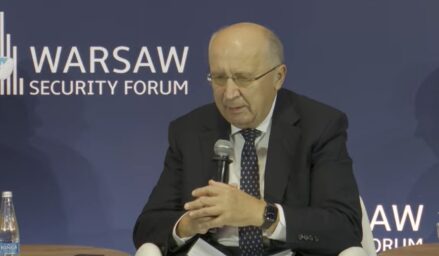
Removing social conditionality is not simplification, it is deregulation. Public money must never subsidise violations of workers rights. — Enrico Somaglia, EFFAT General Secretary
EFFAT says the Council agreement could remove this requirement from the future CAP. The organisation argues that the rule helps protect agricultural workers, including those in insecure or seasonal jobs. It also protects farmers who follow labour laws from unfair competition.
“Removing social conditionality is not simplification, it is deregulation,”said Enrico Somaglia, EFFAT General Secretary. “Public money must never subsidise violations of workers rights,” he added.
Even if social conditionality were removed, employers would still have to comply with labour laws. However, breaking those laws might no longer put their EU farm subsidies at risk.
Small farms fear losing essential support
ECVC has raised concerns about several other parts of the agreement. The organisation says ministers want to make support for small farms, organic agriculture and areas facing difficult farming conditions optional. This would give national governments more freedom to decide which measures to offer.
The Council argues that greater flexibility would help countries adapt agricultural policies to their own needs. But ECVC fears it could create wider differences between farmers across Europe. A small farm might receive support in one country but find that a similar scheme is unavailable in another.
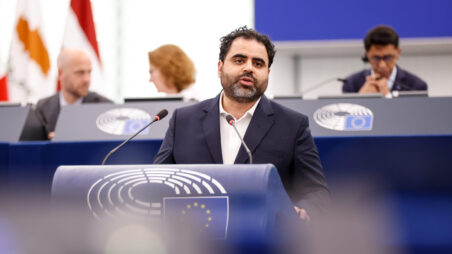
“Neither national flexibility nor budgetary constraints should come at the expense of farmers livelihoods, workers rights or the agroecological transition,” said Andoni Garcia of the ECVC Coordinating Committee. The organisation also says the proposed changes could weaken environmental requirements that help farmers protect soil, water and biodiversity.
Who will receive the farm subsidies?
How EU agricultural funding is shared is another major concern. ECVC wants payments capped at €60,000 per active farmer. It believes reducing support for larger recipients could free up money for small and medium sized farms.
The Council wants the next CAP to direct more funding towards farmers actively involved in agricultural production. It also supports measures to improve how payments are distributed. The final rules on payment limits have not been agreed.
Neither national flexibility nor budgetary constraints should come at the expense of farmers livelihoods, workers rights or the agroecological transition. — Andoni Garcia, ECVC Coordinating Committee
The budget remains uncertain too. The European Commission proposed setting aside around €300 billion for farm income support and crisis measures between 2028 and 2034. Additional money could be available through national and regional plans, but the final amount is still under negotiation.
For smaller farms, these decisions will determine how much support they can rely on when planning their future.
What about young and organic farmers?
The Council says helping younger people enter agriculture is a priority. Under its proposal, EU countries would have to offer higher income payments to young farmers, help them start businesses and prepare national plans to attract a new generation.
But ECVC argues that the young farmers starter package has been weakened. The organisation is also concerned about the future of organic farming support.
Agriculture Commissioner Christophe Hansen raised similar concerns about the Council preference for voluntary measures. He called for stronger requirements to support organic farming and help farmers protect themselves against losses caused by extreme weather.
The disagreement raises a wider question about the next CAP: how much should be guaranteed across Europe, and how much should depend on decisions made by individual governments?
A protest as negotiations continue
EFFAT plans to demonstrate in Brussels on 3 November, calling for social conditionality to be restored. The protest is set for Place Jean Rey, bringing together agricultural workers, trade unions and supporters of stronger labour protections.
For EFFAT and ECVC, the priority is clear, EU farm funding should protect workers and support smaller farms, rather than leave those guarantees to national choices. The final negotiations will decide whether these protections remain part of the EU common agricultural policy.