Europe’s largest gathering of disinformation researchers opened in Vilnius with tape over its sponsors’ logos. The EU, Canada, and Lithuania pulled their names after the programme asked a sensitive question: has the United States itself become a source of manipulation in Europe?
The EU’s diplomatic service, the European External Action Service (EEAS), defended its decision at the Commission’s midday briefing on 8 October. “The decision to withdraw the logo was because of the framing of the programme by the organisers,” said EU spokesperson Christian Wigand. He added that the EEAS had “recalibrated” its support for the event and that the decision came from within the service.
The conference, #Disinfo2026, runs on 7–8 October and draws around 650 researchers, journalists, NGOs, and officials. Its organiser, the Brussels-based non-profit EU DisinfoLab, originally listed the EEAS, Global Affairs Canada, and Lithuania’s foreign ministry as main supporters. Their logos disappeared from the website days before the event. In Vilnius, strips of tape covered them on banners and printed materials.
Questions about American pressure
Journalists at the briefing asked several times whether Washington had played a role. Mr Wigand did not deny it. “As a general principle, we are not commenting on any such exchanges,” he said. He also refused to say which panels the EEAS found problematic or when it took the decision.
The Guardian reported a different story. Three people familiar with the matter, including European officials, told the paper that the US State Department had contacted several governments about their support for the conference. According to the Guardian, EU officials disagreed with portraying the US as a disinformation actor.
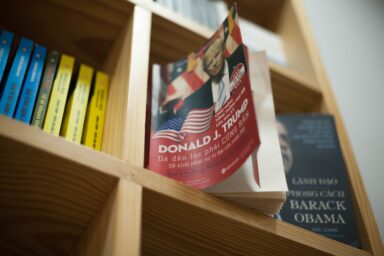
The programme left little doubt about the sensitive points. The opening session featured an interview with Kimberly Prost, a judge at the International Criminal Court (ICC). Washington put her on its sanctions list after ICC judges authorised an investigation into alleged war crimes by US troops in Afghanistan. One of the first panels asked whether the US had become a source of foreign information manipulation and interference in Europe.
Canada used almost the same words as Brussels. Global Affairs Canada said it revised its participation “following changes to the framing of several panel discussions”. Lithuania’s foreign ministry did not respond to requests for comment. Neither government said whether the US had raised concerns.
Support out of sight
The EU has not walked away entirely. The Guardian reports that it still funds the conference, only without its name on it. EEAS staff also presented their own research in Vilnius. France, now the only government sponsor left, publicly reaffirmed its support for the event and for civil society’s role against foreign manipulation.
If they were confident in what they are doing, why would they care about this conference?
— Adam Fivenson, non-resident fellow, American University
Speakers saw the withdrawals as a sign of the pressure their field faces. In late 2025, the Trump administration barred five European tech regulators and disinformation researchers from entering the US. Adam Fivenson, a non-resident fellow at American University who spoke on the panel about the US, read the episode differently. He saw the pressure as a sign of weakness in Washington. “If they were confident in what they are doing, why would they care about this conference?” he told Tech Policy Press.
Others were less forgiving towards European capitals. “States, and state-affiliated agencies, shouldn’t have control over the programme,” Nina Jankowicz, a former Biden administration official who now runs The American Sunlight Project, told the same outlet.
The episode puts the EU in an awkward spot. At the same briefing, Mr Wigand said the EU was taking “decisive action” against manipulation by Russia, China, and other state actors, and called work with civil society an important part of it. In Vilnius, it chose to stay quiet about one source of pressure.