When the power fails or floodwater rises, help may take days to arrive. The European Commission wants households to be able to cope on their own until then. New guidelines show authorities how to prepare citizens, from schoolchildren to people with disabilities.
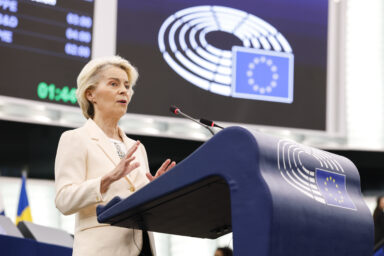
During the first three days of a disaster, public help is often still on its way. Rescuers are still mobilising, and basic services may not work. Commissioner for Equality, Preparedness and Crisis Management Hadja Lahbib presented new guidelines on 3 November to help people get through that period. She unveiled them at the European Civil Protection Forum in Brussels, which closes on 4 November.
The guidelines are not binding. They target national authorities, which should pass the know-how on to citizens. The document builds on the EU Preparedness Union Strategy, which the Commission adopted in March 2025. That strategy set the goal of 72-hour self-sufficiency for the population.
Four pillars of preparedness
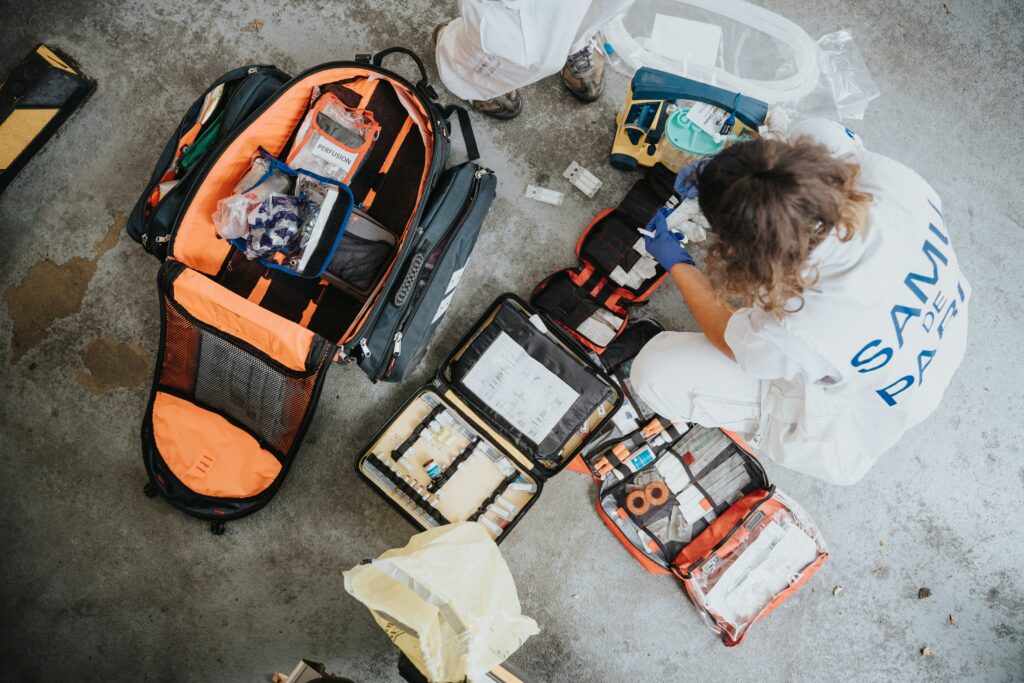
The first pillar covers the 72 hours themselves. People should be able to meet their basic needs while public help gets under way. The Commission points to essential emergency supplies and grab bags ready to take at short notice.
The second pillar targets schools. The Commission wants preparedness built into early childhood and primary education. Teachers should get training, and children should learn through age-appropriate activities. The aim is to build skills without creating fear or anxiety.
The third pillar focuses on people with disabilities. Their needs often go overlooked when a crisis hits. The guidelines urge authorities to make measures accessible and to involve disabled people in planning, so nobody is left behind.
The fourth pillar concerns communication. Authorities should give citizens timely, accessible, and reliable information before, during, and after an emergency. Four guidance documents with good practice from member states and beyond accompany the guidelines. The Commission says it may revise them as feedback comes in.
Preparedness on the calendar
The Commission also proposes an annual EU Preparedness Day. It would fall on 23 October, starting in 2027. The date marks the anniversary of the EU Civil Protection Mechanism, which the EU set up in 2001. Over the past 25 years, the mechanism has coordinated disaster response within and beyond the bloc.
The idea came partly from citizens. A European Citizens’ Panel on Preparedness brought together 150 people from across the EU between March and May 2026. It recommended an annual EU Preparedness Week. The Commission opted for a single day instead. It now wants Parliament, the Council, and two EU advisory committees to back the day in a joint declaration.
When disaster strikes, the first hours can make all the difference. — Hadja Lahbib, Commissioner for Equality, Preparedness and Crisis Management
Ms Lahbib presented preparedness as a shared task. “When disaster strikes, the first hours can make all the difference. Every European should know what to do, how to protect their family, and how to help others,” she said. The Commission is also shoring up the systems people rely on. A recent recommendation asks member states to stress-test their national civil protection contact points. The goal is to keep the EU Civil Protection Mechanism running around the clock, even during major disruptions.