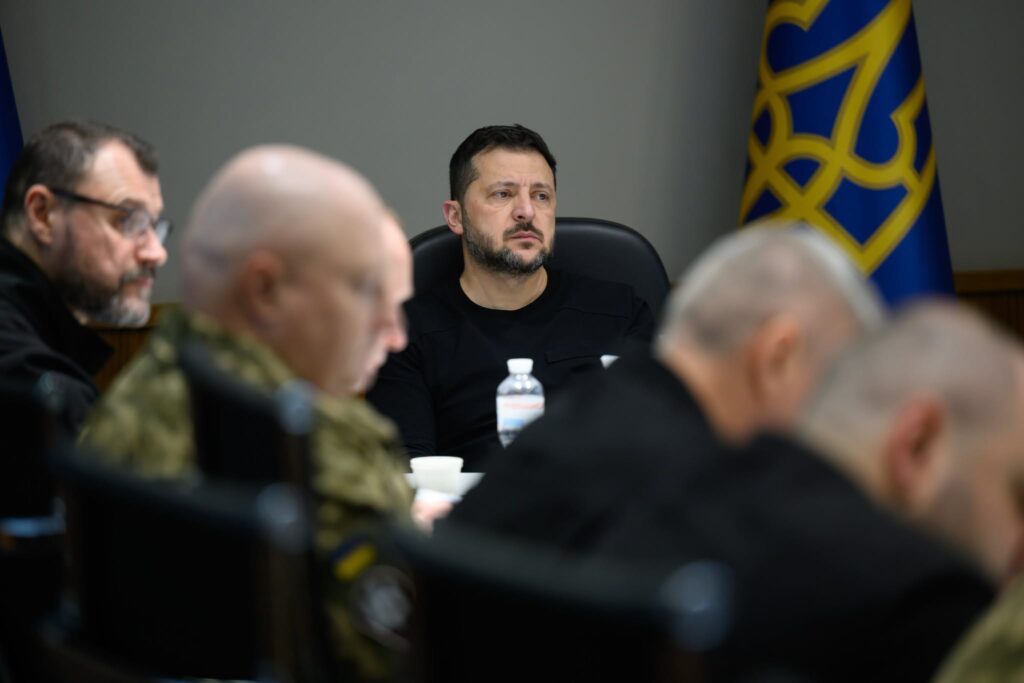
Europe will not lift sanctions until Russia stops its war, Ursula von der Leyen said on Friday. Ukraine is seeking air defence, energy supplies and funding for 2027. EU leaders promised continued support, but announced no new funding total in their arrival remarks.
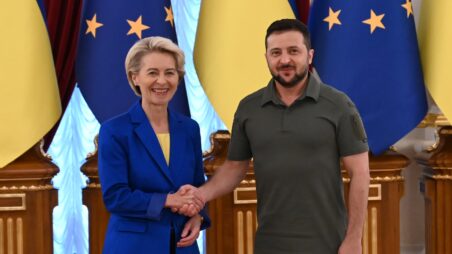
Welcoming President Volodymyr Zelenskyy to Brussels, the Commission president accused Russia of ignoring the energy ceasefire announced by Donald Trump. “Russia did not respect it, not a single minute. Instead, Russia escalated,” she said.
The European Council’s second day brought Ukraine’s winter needs before leaders. Mr Zelenskyy put energy first, but stressed that keeping the country functioning also required protection against Russian attacks.
“It’s not only energy, it’s also air defence and funding,” the Ukrainian president said. He thanked European leaders for their continued support and called financing for next year a key question for the talks.
Protection, not just repairs
Russia’s attacks on energy and water infrastructure make winter assistance a military issue as well as a humanitarian one. Repairing facilities and supplying equipment cannot secure electricity and heating if those systems remain exposed to further strikes.
Ms von der Leyen promised continued European help, while making clear that Brussels was preparing additional pressure on Moscow. “We’re working now on the 22nd sanctions package,” she said. “We will not lift any sanctions unless Russia stops the war.”
European Council President António Costa delivered the same message alongside Mr Zelenskyy. “This is no time to withdraw the support to Ukraine. This is no time to relieve Russia’s sanctions,” he said. The aim, the Council president argued, was to bring Russia towards a genuine ceasefire and negotiations.
Mr Zelenskyy said Ukraine saw no signals that Moscow was ready to end the war, leaving it needing to prepare for winter. Von der Leyen confirmed that discussions would cover financial and military needs for both 2026 and 2027. Their remarks established the priorities for those talks, rather than an agreed assistance package.
Latvia pushes Russian assets to fund Ukraine’s defence
For countries on Europe’s eastern flank, supporting Ukraine comes alongside the growing cost of their own security. Latvian Prime Minister Andris Kulbergs said those governments were borrowing to strengthen borders and defence while facing Russian cyberattacks and economic pressure. “It’s important that the eastern flank is economically strong because on borrowed money that’s not going to work in the long run,” he said.
Mr Kulbergs argued that frozen Russian assets should help finance Ukraine. “The frozen assets are there. That’s what should be used for supporting Ukraine,” he said. His remarks set out Latvia’s demand, rather than an agreement among leaders on using the money.
We will not lift any sanctions unless Russia stops the war.
— Ursula von der Leyen, President of the European Commission
Alongside Ukraine’s immediate needs, the EU presidents offered a longer-term commitment. Following the opening of two further groups of accession negotiating chapters this week, von der Leyen said the goal was to open the final two before year-end. Mr Costa praised Ukraine’s parliament for pursuing reforms during the war: “You continue to deliver, to negotiate, to approve, and to make reforms.”
Mr Kulbergs also supported Ukraine’s membership, while insisting that the same accession requirements must apply to every candidate. The two tracks now run alongside each other: Ukraine must continue the reforms needed to join the EU, while relying on European assistance to defend itself and keep essential services running.