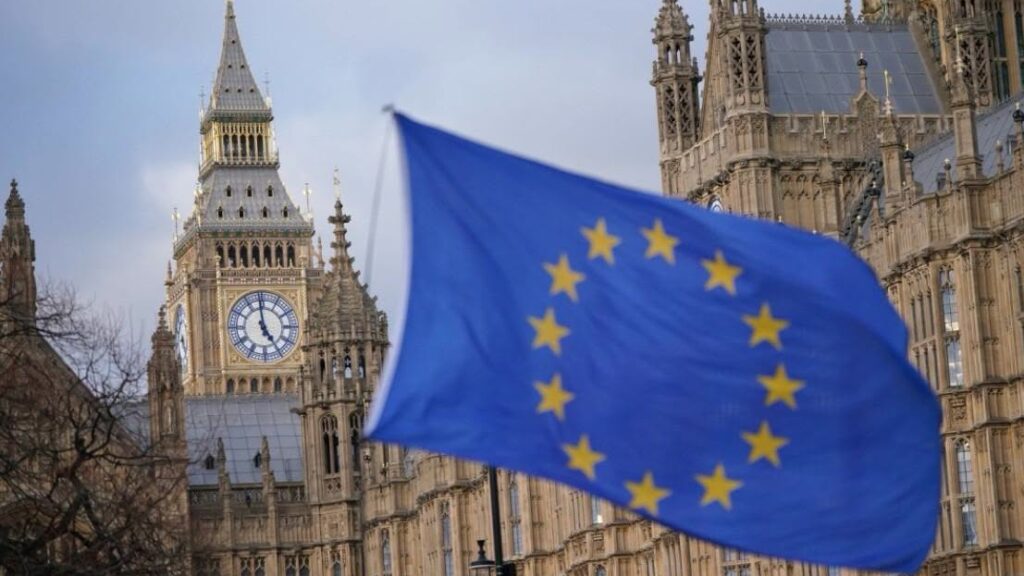
The United Kingdom could one day be back in the EU and Andy Burnham’s government is starting to test whether voters would go along with it. The prime minister has not ruled out putting a membership pledge in Labour’s next election manifesto.
Downing Street officials have approached think tanks and pollsters to assess voters’ views on a possible return, the Guardian reported on Wednesday evening. The British prime minister reopened the debate this week by putting full membership alongside other options for Britain’s relationship with Europe.
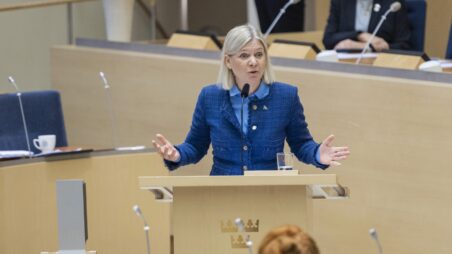
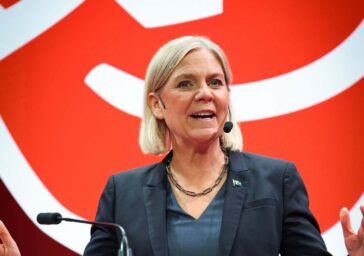
Speaking at Labour’s conference in Liverpool on Tuesday, he said Brexit had “done more harm than good”. He promised to seek consensus on a longer-term direction.
That is a shift from his earlier reluctance to revisit the referendum. During his campaign to return to Parliament, Mr Burnham said reopening those arguments was the last thing Britain needed. Asked about a possible manifesto commitment last week, he described membership as a question “for another day”. He did not rule it out.
Could rejoining help Labour win?
Pro-European campaigners are making an electoral case for a more ambitious policy. Research commissioned by Best for Britain found that a membership pledge produced the strongest Labour performance among four hypothetical approaches to EU relations.
The campaign group’s analysis put Labour at 321 seats under that scenario, close to the 326 needed for a majority. The research used YouGov polling conducted before Mr Burnham became prime minister, with additional modelling by Best for Britain. It tests hypothetical policies rather than predicting the outcome of an election.
Pressure also comes from former prime minister Tony Blair. His institute published a paper last week advocating a return to a reformed EU within ten years. Mainly for closer cooperation in technology, energy and defence to Britain’s prosperity and security.
Conservative deputy leader Alex Burghart criticised Mr Burnham’s comments on Wednesday, saying: “Labour cannot blame a democratic vote from over a decade ago for the consequences of their own economic decisions.”
Reform UK’s deputy leader Richard Tice accused Mr Burnham of trying to bring Britain back into Brussels “via the back door”. The European Commission left the next move to London, saying the British government must explain how it wants its relationship with the EU to develop.
November summit will bring the debate to Brussels
Mr Burnham plans to present the options around the next UK–EU summit. The Financial Times reported that 20 November has been pencilled in, although the date has not been formally confirmed. The meeting is expected to address practical cooperation, including migration and economic relations.
Labour cannot blame a democratic vote from over a decade ago for the consequences of their own economic decisions. — Alex Burghart, Conservative deputy leader
He has already discussed preparations with Commission President Ursula von der Leyen. They met at the UN General Assembly on 22 September and agreed to work towards a successful summit. They also discussed shared security threats, migration and global competition.
France and Spain have welcomed the possibility of Britain returning. Mr Burnham has yet to choose that path, however. His immediate task is to decide what closer relations should deliver. He must also determine whether he can turn the case for EU membership into a policy Labour is prepared to take to voters.