The proposed 10-per-cent cut has drawn fire from Paris and the largest parliamentary group. It has also earned scepticism from Berlin and the Commission, which welcome it as the “first step” only.
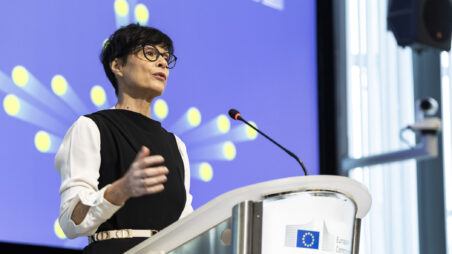
The European Parliament’s largest political group has rejected European Council President António Costa’s proposal to cut the 2028–2034 Multiannual Financial Framework by roughly 10 per cent. The group’s chief negotiator called the offer unacceptable. The EPP Group has 185 members from all member states.
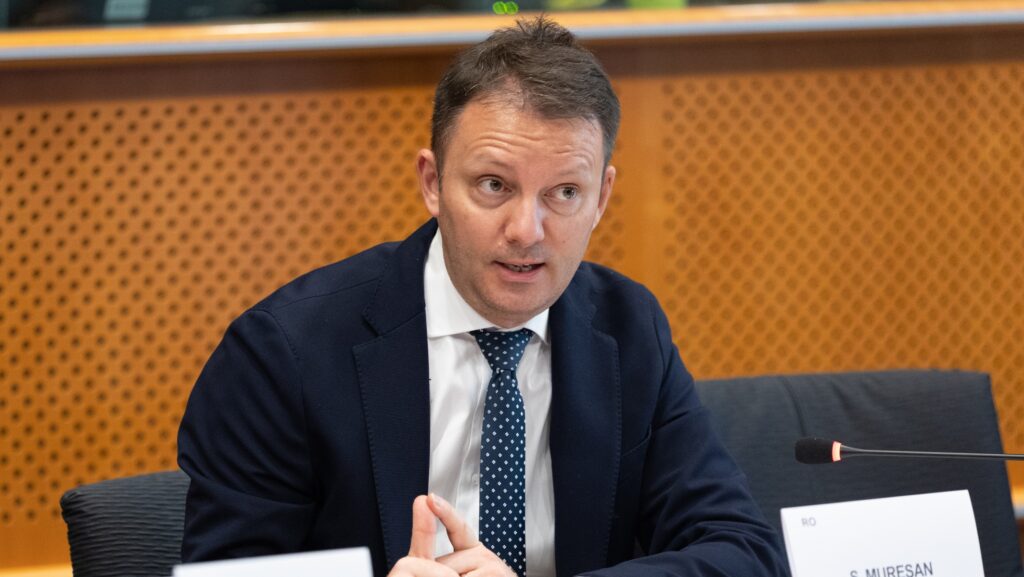
MEP Siegfried Mureșan (EPP/ROU), the group’s vice-president, reacted to Mr Costa’s negotiating box. “President Costa’s proposal is simply unacceptable. The Council is fixated on cuts when Europe needs ambition and resources to tackle its mounting challenges.” Mr Mureșan went further. “The Council is moving further away from Parliament’s position. It must change course.”
He warned national leaders not to expect easy approval. “National leaders must not expect the European Parliament to rubber-stamp a budget that holds Europe back.” He wants a moderate 10 per cent increase, backed by efficient new own resources, including a digital levy that would make tech giants pay.
You might be interested
Mr Mureșan closed with a warning. “Europe needs ambition and investment to deliver, not a budget that sells our future short.” The compromise deepens reductions compared with earlier drafts, and Parliament’s negotiators pushed back sharply.
Capitals split on the draft
Paris was the bluntest. A source at the Élysée told reporters: “The new negotiating framework for the next multiannual European budget is very disappointing.” The source added: “As it stands, this proposal from the President of the European Council does not constitute a basis for an agreement.”
Sweden offered a more measured reply. Swedish Minister for EU Affairs Jessica Rosencrantz called the new box a step in the right direction, but said Sweden remained a long way from a compromise. She wrote: “The budget is still too large, and under today’s proposal Sweden’s contribution would rise far too much.”
President Costa’s proposal is simply unacceptable. The Council is fixated on cuts when Europe needs ambition and resources to tackle its mounting challenges. — MEP Siegfried Mureșan (EPP/ROU)
Denmark focused on fairness rather than size. Danish Finance Minister Peter Hummelgaard said the proposed cuts appeared unbalanced. He left the door open to talks. “We will now examine the proposal more closely and discuss it with our European partners.”
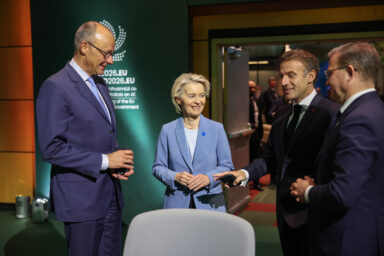
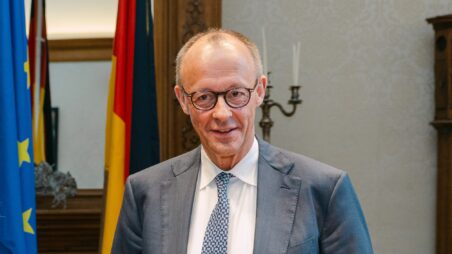
German officials also voiced dissatisfaction with the draft framework. German Chancellor Friedrich Merz linked any deal to unanimous backing for Ukraine, adding friction before the summit. Mr Costa has proposed paying interest on the €100bn of future Ukraine support separately.
Costa makes his case
Mr Costa defended the package on 21 November. It cuts €204bn in current prices, or about €180.5bn, roughly 10 per cent in constant 2025 prices, leaving a total of €1.582tn. “I am confident that this proposal is a good basis for moving towards a final agreement.”
He argued that national contributions would rise only modestly, from 0.80 per cent to 0.82 per cent of gross national income. Five new own-resource streams, including a three per cent digital services levy (which centrists tend to support), should raise around €60bn a year alongside existing revenue.
The Commission’s midday briefing on 23 November offered a more guarded view. Commission spokesperson Balázs Ujvári said: “We take note of the revised negotiating box presented by the President of the European Council.” He welcomed progress on new own resources, which he singled out for praise.
The welcome came with a caveat. “However, we regret that successive negotiating boxes have brought substantial cuts to the Commission proposal.” Mr Ujvári added that a deal before year-end was crucial for continuity of funding from 1 January 2028.
Silence on the digital levy
Asked about the digital levy, Commission spokesperson Paula Pinho said the Commission would look forward to negotiations on the position it had already shared. A reporter noted that the Commission had not withdrawn its 2018 proposal for a digital services tax—a point Ms Pinho did not take up—and asked whether that meant it still backed the idea. Another put the levy’s yield at €30bn over seven years.
Ms Pinho said experts were working to support the difficult talks. Mr Ujvári, asked whether the 2018 proposal had changed in scope, said it probably had and that the Commission needed to look into it. No assessment of affected companies was offered.
As it stands, this proposal from the President of the European Council does not constitute a basis for an agreement. — The Élysée statement
Both spokespeople pointed to the Special European Council on 26 and 27 November as the next test. Until then, the Commission’s public line is welcome for the process and regret for the substance. Mr Costa’s box tries to thread a narrow needle — between net payers who want a smaller headline budget and MEPs who want more ambition. Each bloc has a reason to object.
Three pressure points
Yet another criterion divides the response. Mr Costa is an avowed socialist whose priorities protect farming and cohesion policies. Trimming roughly 10 per cent in constant prices, shifting pressure onto external action, defence, and competitiveness, today’s areas of paramount concern. That draws fire from net payers and from MEPs who see strategic investment weakened. Mr Costa’s plan directly sabotages any effort to follow the Draghi report, widely seen as a blueprint for the EU’s economic revival.
We regret that successive negotiating boxes have brought substantial cuts to the Commission proposal. — Balázs Ujvári, European Commission spokesman
The second is own resources. The package relies on a digital services levy, carbon, waste, and tobacco revenue, and slower NextGenerationEU debt repayments to cap contributions. Each element requires unanimity, and each invites pushback, including trade friction risks.
The third is time. Leaders want a deal before year-end, ahead of 2027 national elections, and the Commission says continuity of funding from 1 January 2028 depends on it. Whether the Union’s capitals and lawmakers can bridge the gap between their positions remains the central question. Mr Costa’s weekend move has not made the task any easier.