The proposed 22nd package of sanctions would tighten financial and energy restrictions, target more vessels in the so-called shadow fleet, and bar teams and athletes competing under the Russian flag from sporting events in the EU.
Commission President Ursula von der Leyen presented the new package on Monday, 23 November. Its aim is to increase pressure on Moscow to end its war against Ukraine. “We will continue to propose new sanctions until Russia shows genuine intent for a lasting peace in Ukraine,” the Commission chief said.
The latest proposal focuses on three main areas: cutting off funds for Russia’s war effort, restricting its energy sector, and further isolating the country from European institutions and activities.
Another 60 banks and 70 ships in the crosshairs
The Commission wants to extend its transaction ban to around 60 more Russian banks. All of them would lose access to the international SWIFT payment system.
You might be interested
The new measures would also target cryptocurrency and payment networks that help Russia circumvent sanctions. They would cover not only Russian entities but also companies in third countries involved in helping Moscow evade restrictions.
In the energy sector, the Commission wants to ban European companies from providing services linked to the construction, operation and repair of Russian energy infrastructure, particularly refineries. For the first time, the ban would also cover services in the electricity sector.
More than 70 vessels would join the sanctions list as part of the campaign against Russia’s shadow fleet. The fleet helps Moscow export oil and petroleum products despite Western restrictions. The Commission is also proposing a blanket ban on all tankers insured in Russia.
Sanctions reach into sport and culture
The new package would also ban former Russian combatants from entering the EU. Ms von der Leyen says they represent a threat that EU cannot afford to ignore.
“Russian ex-combatants pose a security risk to Europe. They cannot be allowed to wander freely across our countries,” she said. The Commission also points to a recent rise in covert operations by Russian operatives across Europe.
Another proposed measure would prevent EU citizens from holding management positions in Russian companies.
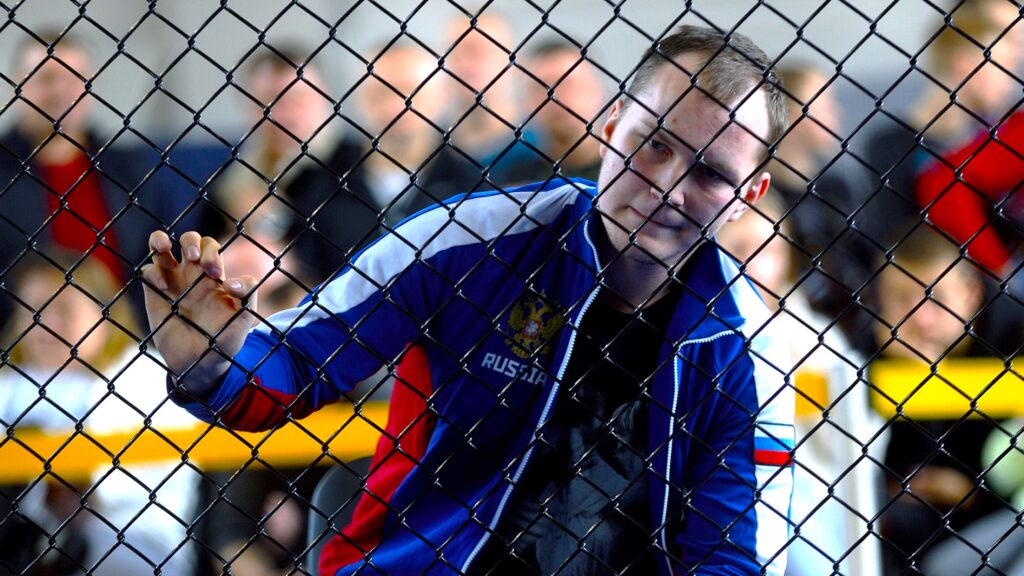
The package also breaks new ground in sport and culture. The Commission wants to bar Russian teams and athletes competing under the Russian flag from sporting events in the EU. It also proposes restrictions on the display of official Russian symbols.
“Sports events cannot be a forum for propaganda activities,” Ms von der Leyen stressed.
Further measures would target financial flows from Russian sponsors to European sports and cultural organisations. Russian nationals would also face restrictions on holding senior positions in European sports federations.
“Our position is clear: we are giving Ukraine the strength to secure peace – and Russia every reason to choose it,” Ms von der Leyen concluded. The proposal must now win the approval of EU member states.