The new financial instrument providing Ukraine with up to €90 billion in loans for 2026-2027 should start disbursements in April 2026, EU’s financial ministers agreed on Tuesday. ECOFIN meeting reiterated that it is more important than ever for Europe to stay united and strong.
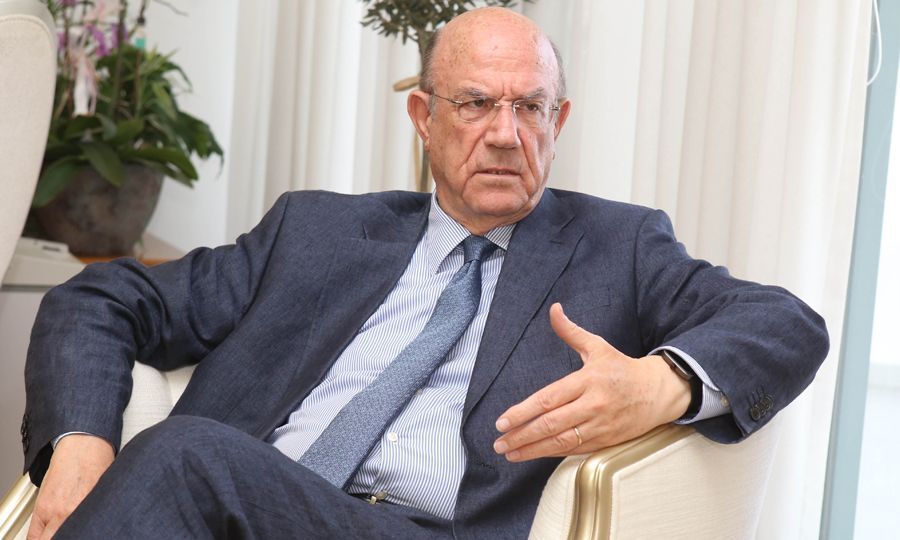
Upon his arrival to Brussels, Cyprus’ Minister of Finance Makis Keravnos, who chaired the Economic and Financial Affairs Council (ECOFIN) stressed that the Council will await guidance from Thursday’s extraordinary European Council regarding the exceptional US tariffs imposed on the EU over Greenland. After the ECOFIN meeting, most of the time at the press conference was devoted to questions revolving around the €90bn loan for Ukraine.
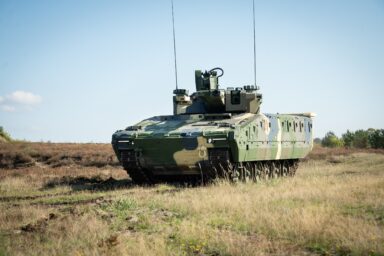
Ukrainian, EU’s arms producers to be prioritized
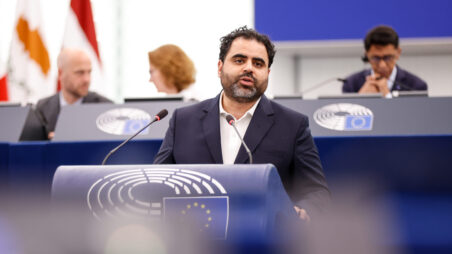
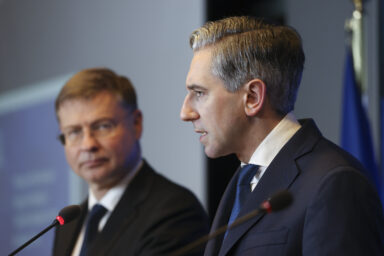
Both Cyprus’ Financial Minister Makis Keravnos and Valdis Dombrovskis, Commissioner for Economy and Productivity, stressed multiple times that it is essential that the money from Ukraine loan be released as soon as possible. According to Commissioner Dombrovskis, disbursements should start as early as April 2026. “We know very well that the Ukraine’s financial needs are sizeble and urgent,” Mr Dombrovskis said at the press conference.
We know very well that the Ukraine’s financial needs are sizeble and urgent. – Valdis Dombrovskis, Commissioner for Economy and Productivity
Asked by a reporter if the EU still intends to buy arms from the United States and then provide them to Ukraine, Commissioner’s answer was rather diplomatic. “The scheme remains unchnged. Most of the arms that Ukraine desperately need must come from Ukraine itself, from the EU and from the countries with whicj we have safe agreements. That say, we do not rule out to work with other international partners provided a specific type of rms is not available,” Mr Dombrovskis replied. He refrained,however, from specifically naming the United States.
Economic policy, taxation, regulation
The Economic and Financial Affairs Council (ECOFIN) is responsible for EU policy as regards economic policy, taxation issues, and the regulation of financial services. ECOFIN coordinates member states’ economic policies, furthers the convergence of their economic performance, and monitors their budgetary policies
It also coordinates EU’s positions for international meetings, such as the G20, the International Monetary Fund, and the World Bank. It is also responsible for the financial aspects of international negotiations on measures to tackle climate change.
ECOFIN is made up of the economic and finance ministers from all member states. Relevant European Commissioners also participate in meetings. Ecofin meetings generally take place once a month. Sometimes there are also specific Ecofin sessions, attended by national budget ministers and the European Commissioner for financial programming and budget, to prepare the EU’s annual budget.