EU ministers agreed to start talks on a single fisheries-statistics rule. It is to merge five outdated laws, force faster reporting and feed timelier science into quota, funding and sustainability decisions.
EU fisheries ministers seldom make headlines, yet on 11 March they cleared a quietly important hurdle. Meeting in Brussels, the Council endorsed a mandate to negotiate the European Fisheries and Aquaculture Statistics regulation, EFAS. The rule will fuse five ageing data laws on catches, fleets and farms into a single, digital-age framework.
Maria Panayiotou, Cyprus’s minister for agriculture, rural development and environment, set out the aim. “Once adopted, the new framework will help ensure that policymakers, researchers and stakeholders have access to high-quality data to support sustainable fisheries, responsible aquaculture and evidence-based policymaking across the European Union,“ she said.
Counting every fish
Member states believe efficient counting underpins efficient quotas. By backing the mandate unanimously, they handed the Cypriot Council presidency a green light to open talks with the European Parliament later this year.
EFAS’s bargain is plain, by Brussels‘ arcane standards. Countries will deliver broader, quicker statistics in exchange for simpler procedures. Annual datasets must reach Eurostat within six months; today the lag can exceed a year. Every delivery will carry a harmonised quality report, ending the present patchwork.
Digital-first rules let Eurostat re-use administrative files—fleet registers, log-books, licence databases—cutting duplication and cost. New variables will track discards, by-catches of sensitive species, gear types, aquaculture life stages and even crew gender.
To calm worries about paperwork, ministers trimmed some fields and promised derogations where burdens prove heavy. Confidentiality rules will loosen: Eurostat will aggregate data so that more can be published without exposing commercial secrets.
Why speed matters
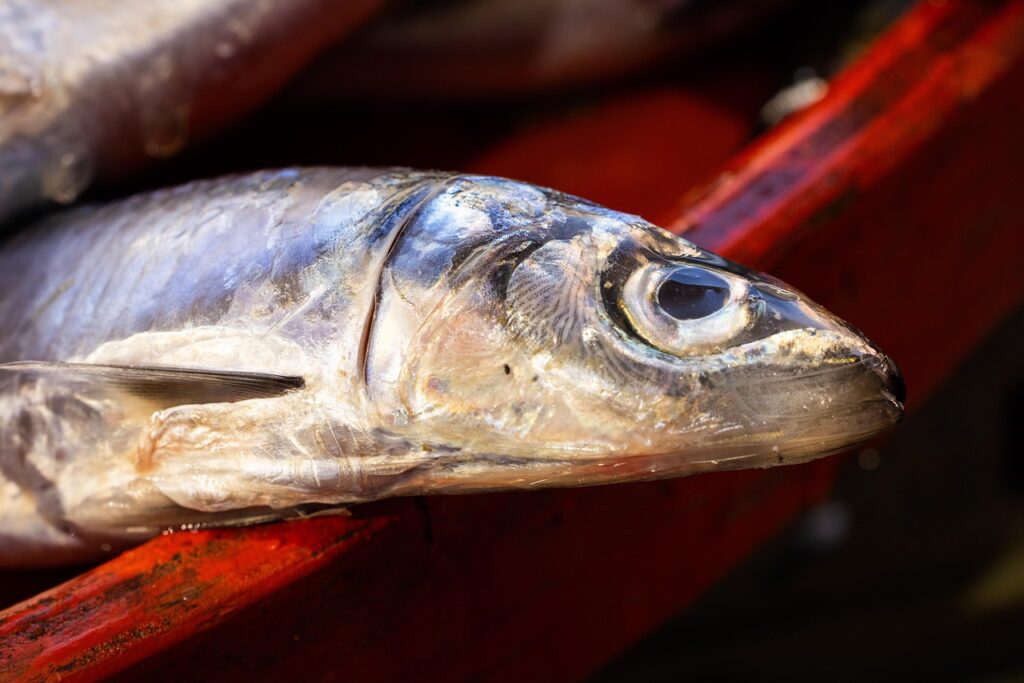
Reliable numbers turn fish fights into science-led debates. Near-real-time biomass estimates will guide the Commission’s total-allowable-catch proposals; profitability snapshots will steer the €6.1 bn European Maritime, Fisheries and Aquaculture Fund. Up-to-date landings already shaped the 2026 Baltic Sea quotas, letting ministers soften an initial plan and preserve a “minimum viable activity” for cod and western herring fleets while respecting ecological advice.
The new framework will help ensure that policymakers, researchers and stakeholders have access to high-quality data to support sustainable fisheries. — Maria Panayiotou, Cyprus’s agriculture minister
Consumers gain, too. Standardised origin and production data will sharpen labelling and reassure shoppers that fillets come from sustainable stocks. Fishers should see steadier quota signals and stronger evidence for grants to retrofit greener engines or improve safety. Digital reporting will demand new skills but could spawn support services along the coast.
Environmental agencies expect quicker feedback on by-catch and discard targets set under marine-protection laws. Market analysts will spot supply swings sooner, helping policy-makers counter price shocks.
The next haul
Parliament’s rapporteurs still craft their text; most back consolidation and digital reuse, so haggling will focus on deadlines and disclosure. The Cypriot presidency hopes for a first trilogue by autumn and a provisional deal before year-end.
If the institutions strike that timetable, Eurostat could publish the inaugural EFAS tables by 2029. For a sector where politics often outruns evidence, turning a dusty ledger into a near-real-time dashboard would be a modest bureaucratic catch, and a platform for bigger ones.