The Middle East conflict is sending energy prices soaring across Europe. Brussels has yet to agree on a coordinated response, leaving national governments to act alone. Their measures range from fuel price caps to VAT cuts—and more could follow.
The Iran conflict is disrupting the global oil supply by an estimated 11 million barrels per day. According to Fatih Birol, head of the International Energy Agency (IEA), the crisis is more severe than the 1970s oil shocks. It even outstrips the consequences of Russia’s invasion of Ukraine in 2022.
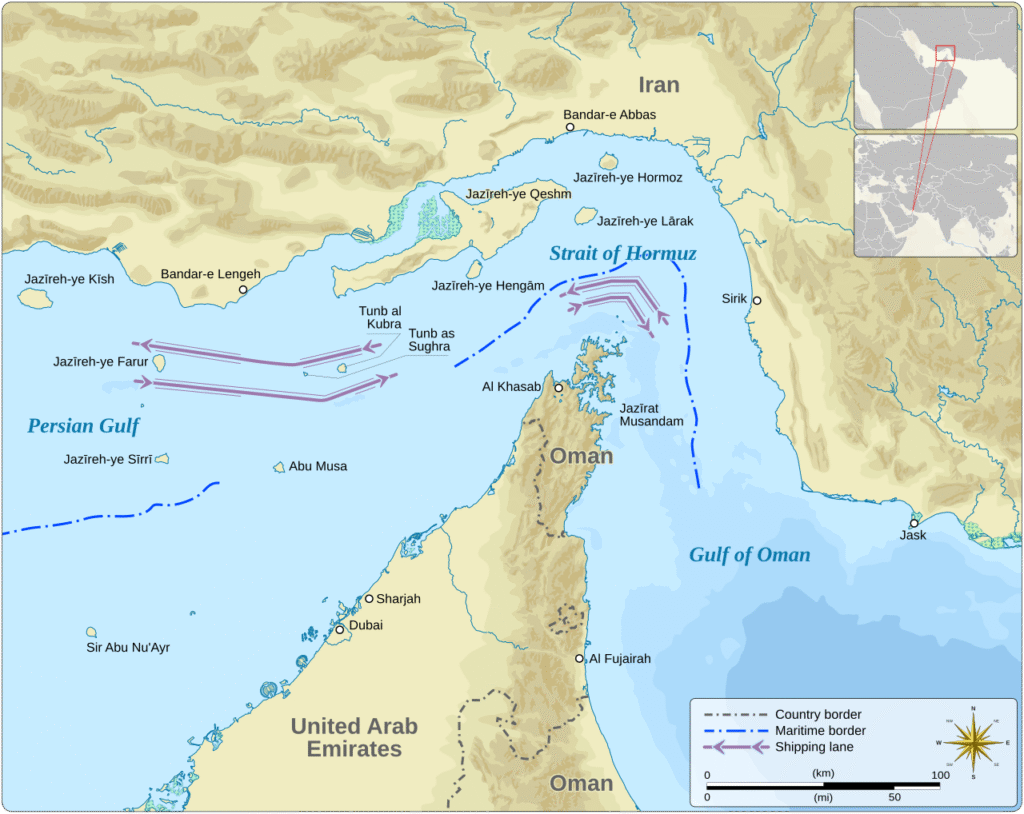
Mr Birol said last Monday that a key solution would be reopening the Strait of Hormuz—the narrow waterway off Iran’s coast. More than 80 per cent of energy shipments passing through it are destined for Asia. Countries there are already taking drastic measures. The Philippines and Sri Lanka have introduced a four-day workweek, Myanmar is discouraging driving, and South Korea has imposed fuel price caps.
European countries are far less dependent on Iranian oil and gas transport, with less than ten per cent of their energy supply passing through the strait. Nevertheless, governments across the continent are scrambling to respond to surging energy costs.
Fuel prices
Prime Minister Pedro Sánchez announced one of Europe’s most comprehensive responses: a €5 billion package to support 20 million households and 3 million companies. The measures include cutting VAT on fuel from 21 per cent to 10 per cent. VAT on electricity and gas falls to the same level. Spain also plans to revive measures previously rejected by parliament. These include electricity subsidies and a ban on cutting off water or energy supplies to vulnerable households.
Hungary moved quickly to act. The government of Viktor Orbán introduced a cap on fuel prices earlier this month. According to Mr Orbán, limiting fuel prices will help shield private consumers and businesses. The government capped the price of petrol at 595 forints (€1.53) per litre and diesel at 615 forints (€1.58) per litre for vehicles with a Hungarian licence plate.
Italy has taken similar steps. Prime Minister Giorgia Meloni said she will cut the fuel price by 25 cents per litre, funded through €608 million in tax breaks. Ireland has introduced comparable measures to reduce fuel costs. Other European countries took less direct measures to prevent skyrocketing fuel prices: in Germany and Austria, fuel suppliers are now restricted in how often they can adjust prices each week.
Several European governments are still waiting to see how the situation develops before introducing national measures. The Dutch government has said the current situation is too unpredictable to justify concrete action. Prime Minister Rob Jetten stated that the government is “preparing for all possible scenarios”, including measures to “protect households and businesses from high energy prices where necessary”.
Coordinated response
Earlier this month, the IEA proposed a set of measures to ease pressure on energy markets. The organisation called for people to work from home where possible and reduce car use through public transport or car sharing. It also urged a cut in air travel to ease pressure on jet fuel markets.
A menu of immediate and concrete measures that can be taken on the demand side by governments, businesses and households to shelter consumers from the impacts of this crisis
—Fatih Birol, executive director of the International Energy Agency
The agency described these as “a menu of immediate and concrete measures that can be taken on the demand side by governments, businesses and households to shelter consumers from the impacts of this crisis”.
The European Commission is also considering a coordinated EU-wide approach to help member states weather the price shocks. As of Monday, it remains unclear what form the proposal will take. Possible measures include direct financial support for the hardest-hit industries. Administrative steps are also on the table, such as loosening state aid rules to allow countries to introduce fuel subsidies.
EU energy ministers are expected to discuss a coordinated approach to deal with the current disruptions to the oil and gas market on Tuesday. The outcome will determine whether Europe tackles the crisis with a unified voice—or leaves each government to fend for itself.