Russian defence ministry threatens Europe-based producers of drones for Ukraine. However, its Wednesday statement missed one of the potential targets by 14 kilometres, earning international chuckles despite the gravity of the situation. The European Commission even declined to comment on the threat directly.
The European Commission welcomed a new Russian warning with a shrug. “This shows once more that Russia is not at all interested in peace,” said Anitta Hipper, the Commission’s foreign affairs spokeswoman, during the midday briefing on 16 April. She referred to a statement that Russia’s ministry of defence released on its Telegram channel (and via other media) on 15 April. It says in somewhat rabid terms that Moscow is unhappy about Europe facilitating fresh drone attacks against Russian territory.
Ms Hipper added that Brussels would continue to back Kyiv: “What we will do is also what we have done so far with further engagement and we will step up all our efforts to support Ukraine, be it with the sanctions, be it with the financial aid and through our defense.”
Two lists, 11 companies
The ministry wrote: “According to available information, on March 26 2026, amid rising casualties and a worsening shortage of manpower in the Ukrainian Armed Forces, the leadership of several European countries decided to ramp up the production and supply of UAVs to Ukraine for strikes against Russian territory. A significant increase in UAV production for the Kyiv regime is to go through expanded funding for ‘Ukrainian’ and ‘joint’ enterprises located in European countries that manufacture strike drones and their components,” the statement reads.
“We view this decision as a deliberate step leading to a sharp escalation of the military-political situation across the entire European continent and the creeping transformation of these countries into Ukraine’s strategic rear,” the statement elaborates further. It ends with a threat: “The European public should not only clearly understand the true causes of threats to their security, but also know the addresses and locations of ‘Ukrainian’ and ‘joint’ enterprises producing UAVs and components for Ukraine within their own countries.”
Two lists came attached. One—“Branches of Ukrainian Companies in Europe”—identified 11 enterprises across the United Kingdom, Germany, Denmark, Latvia, Italy, the Czech Republic, Spain, Israel, and Türkiye. Another—“Foreign Enterprises Producing Components”—named ten firms in Madrid, Venice, Haifa, Germany, and other locations across five more countries.
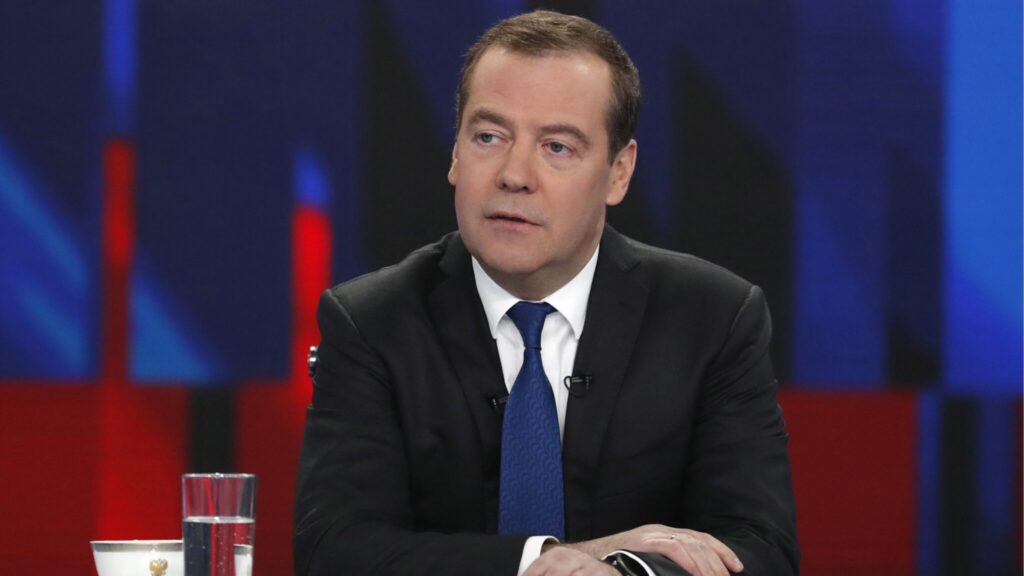
Dmitry Medvedev, the deputy chair of Russia’s Security Council, doubled down that evening. On X he wrote: “Russian Defense Ministry’s statement must be taken literally: the list of European facilities which make drones & other equipment is a list of potential targets for the Russian armed forces. When strikes become a reality depends on what comes next. Sleep well, European partners!”
A 14-kilometre miss
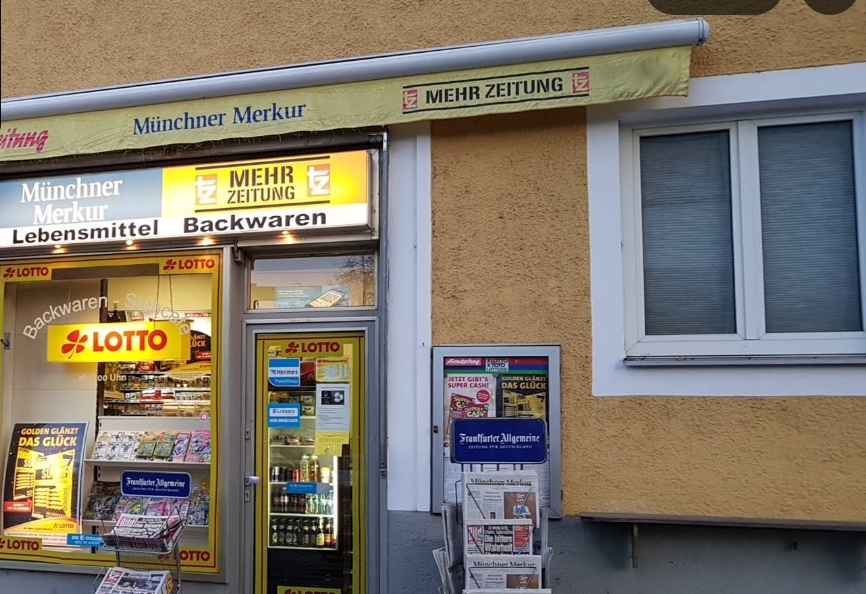
Yet Moscow’s hybrid warriors executed the scare job with the proverbial Russian lack of attention to fine detail. Munich’s 28 Lerchenauer Straße, flagged as a production site, turned out to be an ordinary residential block hosting a small corner shop as the sole business facility.
The list erroneously mentions the place at the edge of Munich’s Olympiapark as the seat of Airlogix, a Ukrainian drone producer. In fact, as anybody with an internet connection and half a brain can find out in minutes, the joint German-Ukrainian company Auterion Airlogix is headquartered in Freiham, some 14 kilometres south-west from Lerchenauer Straße. Airlogix itself is based in Kyiv.
We view this decision as (…) the creeping transformation of (European) countries into Ukraine’s strategic rear. — Russian defence ministry
The easy-to-spot error earned scant coverage (none in Germany itself) across European media, yet featured a dose of sarcasm. Meduza and SOFX, two outlets that scrutinised the text, described it as a “target list” marred by factual errors. Instead of spreading fear of Moscow’s omnipotence, the statement thus inadvertently reinforced the cliché of Russia’s backwater-with-nukes status.
The Union undeterred
European officials yawned. No formal EU or NATO communiqués followed. Ms Hipper declined to comment in detail. Europe, she said, will “not dignify these comments with, with any detail in this regard, but we will point to what are we doing and we are supporting Ukraine.”
However, the spokeswoman left little doubt about her assessment of the Kremlin’s intentions. “Russia is an aggressor state with criminal behaviors and this is shown not only in Russia where Putin has basically massacred the whole opposition, not only in Ukraine but throughout the world,” she said. “So what is in their playbook? It’s repressing, killing, threatening, creating destruction.”
Ms Hipper then turned to the Russian economy. “Because what we have seen in the first quarter of this year is that the Russian budget deficit almost doubled from the same quarter last year and is more than the entire planned deficit for 2026 as the war in Ukraine squeezes its public finances,” the spokeswoman noted. “So again, it is about time for Russia to stop its war of terror and aggression on our side. We will continue our work for peace with Ukraine and for Ukraine.”
Strategic rear
The timing of the Russian statement was no accident. On 14 April Volodymyr Zelenskyy met Chancellor Friedrich Merz in Berlin. The two leaders watched joint Ukrainian-German drones in flight and sealed a €4bn Patriot air-defence deal. Within twenty-four hours Russia portrayed Europe as a “strategic rear” for Ukraine. The claim fell flat, yet it hinted at Moscow’s effort to deter further military support.
Europe will not dignify these comments with… any detail in this regard. — Anitta Hipper, European Commission foregin affairs and security spokeswoman
Russia’s warning may still echo in boardrooms. Insurance premiums could inch up for drone makers. Some plants may review security protocols. But the bigger effect lies in Europe’s political resolve: each Russian flourish seems only to tighten the continent’s consensus on backing Kyiv. On Thursday, the Commission pressed ahead with plans to increase defence funding and accelerate deliveries of ammunition. That, more than any list of addresses, shapes the strategic map.