Graft, scandals, and bribes may never vanish, but now EU ministers agree on a tougher playbook. On Tuesday, they okayed harsh prison sentences and stiffer fines for companies. Where is the catch? It is the arsonists who will be in charge of putting out the fires.
The legislation harmonises definitions, sets minimum prison terms, and threatens to slap companies with fines of up to five per cent of global sales.
The Council adopted a directive on combatting corruption on 21 April; it will become law 20 days after publication. However, member states have 24 months, for several provisions 36, to transpose the rules.
Modernity bites
The Cyprus presidency notes that the measure replaces a creaking 1997 convention and a 2003 framework decision, both too patchy for modern graft schemes that involve crypto wallets and shell firms in Dubai.
The new text also defines some useful terms. “Public official” now covers EU, national and even foreign functionaries; it also treats arbitrators and jurors as officials. That matters when private arbitrations steer billions.
Most eye-catching are the penalties. The directive states that active public-sector bribery tied to a breach of duty must carry at least five years behind bars. Misappropriation, enrichment and concealment warrant at least four years. Lesser bribery and trading in influence earn at least three years.
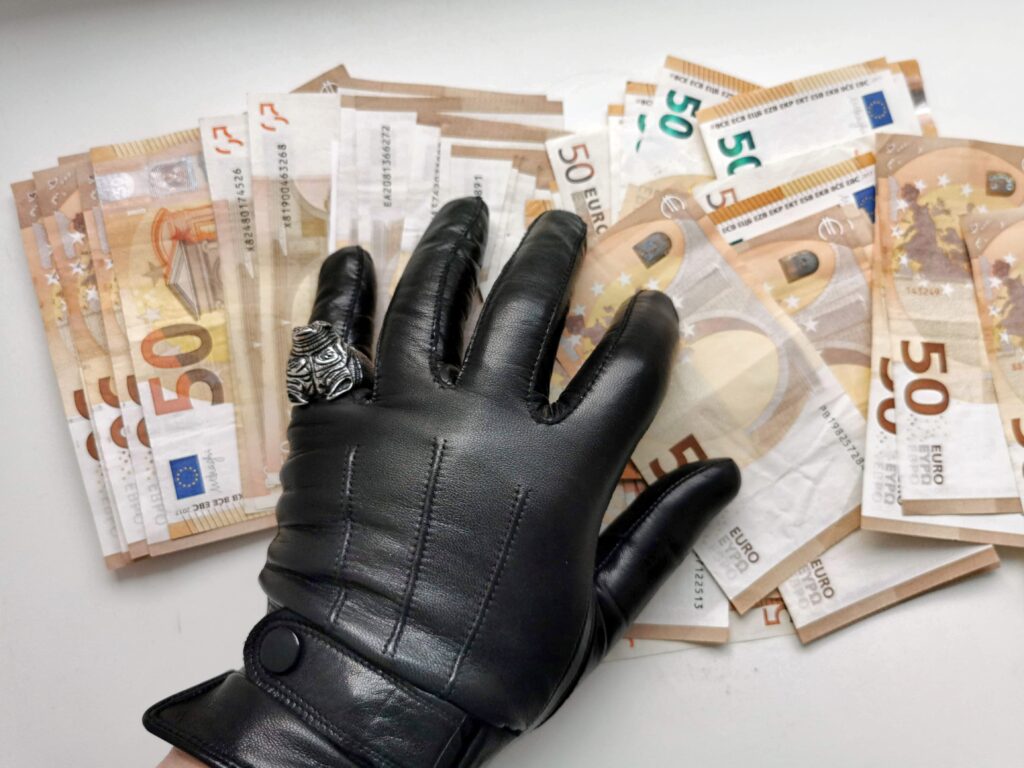
Companies fare no better. For public-sector bribery they face fines of three-to-five per cent of worldwide turnover, or €24–€40 million, whichever bites harder. Lawmakers chose big round numbers to signal resolve. Why €40m? Average fines today seldom top €5m. By pitching the cap at five per cent of turnover—or a flat €40m—they force boards to calculate harsher exposure.
Stricter ceilings
The text also orders member states to consider exclusion from public funds, permit withdrawal and even forced winding-up for repeat offenders. Corporate lobbies had argued that such sanctions could kill jobs. Drafters replied that compliant firms have little to fear; the law attacks “legal persons” that benefit from corruption by senior staff or weak oversight.
Enforcement, though, remains a national domain. Each member state must set up specialised bodies for prevention, training and public awareness. They must run campaigns, maintain asset-declaration systems and apply the 2019 whistle-blower directive. Limitation periods must last at least eight years for offences with four-year sentences, as well as enforcement windows at least ten years after conviction. Tough on paper; political will decides in practice.
Some governments fret over cost. France already has an anti-corruption agency with a €23m budget, but others rely on under-funded police units. Southern countries fear Brussels will name and shame laggards once statistics arrive. The directive obliges states to collect data on prosecutions and convictions. A Commission aide says that many capitals accepted the burden only because reporting starts three years after transposition, well beyond this electoral cycle.
Checks and thresholds
Yet even sceptics admit benefits. The United Nations Convention Against Corruption, to which the EU is a party, demands regular upgrades. Cyber-enabled bribery blurs borders; a Latvian banker may channel crypto kickbacks to a Slovenian port deal. By spelling out that “property” covers crypto-assets the directive closes a loophole. It also clarifies “concealment”, catching accountants who re-label bribe proceeds as consulting fees.
The more corrupt the state, the more numerous the laws. — Publius Cornelius Tacitus, ancient Rome’s historian
Corporate lawyers spot headaches. Multinationals that book turnover across twenty subsidiaries must pool numbers before applying the five-per-cent test. That rule aims to stop carve-outs. Compliance chiefs now scramble to update internal codes and map risk across far-flung projects. Consultancy fees rise accordingly.
Pressure also came from recent scandals in Brussels. Last year Belgian police searched MEP offices over alleged cash from Arab envoys. That saga damaged whatever moral high ground the parliament may have had. By upgrading penalties for the “unlawful exercise of public functions” the directive subtly covers such influence-peddling. “Trading in influence” now carries a ceiling of three years where previous EU law lacked clarity, letting national codes diverge wildly.
Political context
The directive is no regulation. Each capital tweaks it through local politics. Italy must lift maximum jail terms; Denmark already exceeds them. Poland will have to criminalise private-sector bribery linked to simple ‘breach of duty’, a step the old framework left optional. Fines too depend on domestic courts and revenue audits. Critics warn of forum shopping: bosses may bribe where judges under-value turnover or ignore foreign sales.
Still, uniform floors matter. Eurojust, the EU’s judicial co-operation unit, often finds cases stall because one country treats influence-trading as a misdemeanour while another jails it. Common minimums ease extradition, asset freezes and joint probes. Investigators also like the longer time bars: eight years gives space to trace offshore chains. Meanwhile, lobbyists aim to dilute extras, particularly the threat of winding-up. Nordic states want stricter procurement bans, arguing that barring tainted bidders works better than prison.
Attaching heftier price tags to corrupt behaviour, Brussels has done what treaties allow. Criminal law stays a shared competence: the Union may set minimum rules, not run police forces. Success therefore rests on local prosecutors and political courage. This suggests that corruption may well remain Europe’s oldest growth industry. As Tacitus put it, “The more corrupt the state, the more numerous the laws.”