Europe’s next security flashpoint may not be a battlefield, but a fishery. Russian espionage/sabotage personnel, posing as fishing crews, enjoy unobstructed entry to sensitive Norwegian ports. Originally a technical fisheries arrangement, the Moscow-Oslo deal now sits at the nexus of European food security, critical-infrastructure protection and great-power competition.
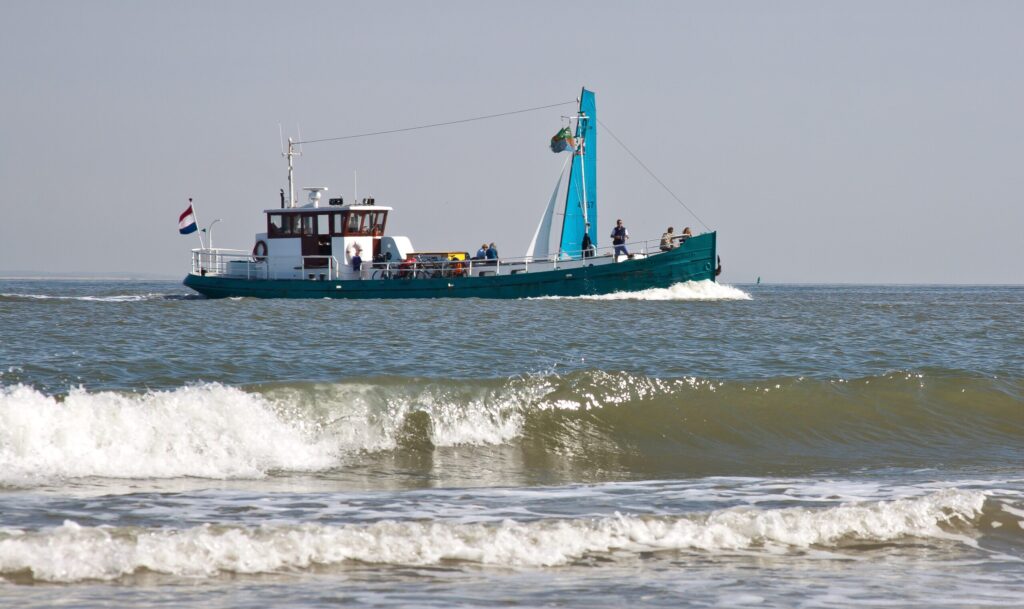
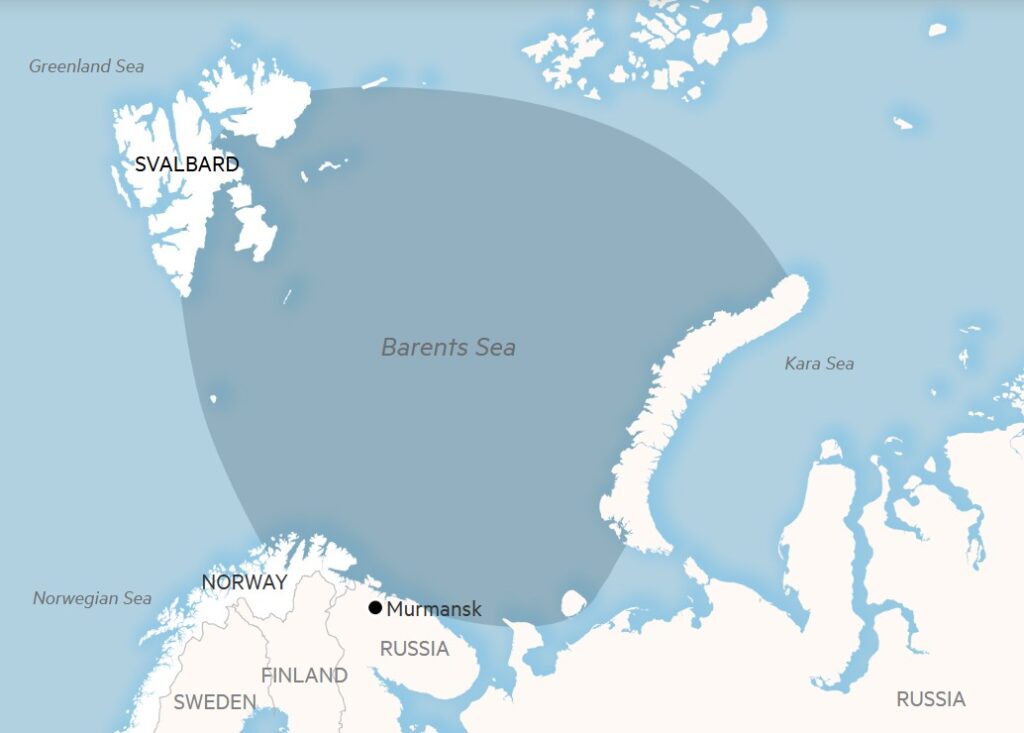
Few parts of Europe’s security jigsaw look as innocuous as a cod fillet. Yet a 50-year fisheries pact between Norway and Russia has begun to trouble officials in Brussels. The agreement was signed in 1976 to curb overfishing in the Barents Sea. Today it also gives Russian trawlers legitimate passage through Norwegian waters and access to three northern ports.
The European Union fears those vessels carry more than nets. “We are aware that Russia is involved in illegal, unreported and unregulated fishing activities, but also espionage, mapping of critical infrastructure and sabotage activities,” Costas Kadis, the EU’s fisheries commissioner has been quoted by the Swedish daily Dagens Nyheter as saying. “It raises security concerns.”
Aggressive campaigns
European diplomats grit their teeth. “It is a very, very sensitive topic,” a northern European envoy told Financial Times (the newspaper has been running a long-term investigation into the matter). “It is raised at lower levels but doesn’t enter the political level . . . too many countries are dependent on Norway’s energy supplies. I really hope Norway knows what they are doing.”
Oslo insists continued co-operation lets it keep an eye on Moscow’s fleet. “Allowing Russian vessels to operate in Norwegian waters enables us to monitor and control their activity,” said Marianne Sivertsen Næss, Norway’s fisheries minister. “The agreement is particularly important at a time when we have had a significant reduction in the cod quota over several years. We have now set a cod quota for 2026 at a level that contributes to rebuilding the stock,” she told SeafoodSource.com.
That said, the Norwegians are not naïve. “Recently we have seen increasingly aggressive Russian hybrid campaigns against allied nations. This trend is expected to continue,” foreign minister Espen Barth Eide said in a press statement as early as last year.
Cod is worth the quarrel. The Barents stock supplies roughly a third of the EU’s white fish, a trade valued at about €1bn a year. Joint quotas for 2026 have already been trimmed to 285 000 t, the lowest since 1991. Any further disruption could squeeze supplies and push up prices —already raising due to Hormuz-related energy squeeze—across the bloc.
A pact under strain
Norway allows Russian landings only in Tromsø, Kirkenes and Båtsfjord, each now under round-the-clock surveillance. Even so, analysts spot troubling patterns. Russian trawlers have been reported slowing over subsea cables and gas pipelines. That is classic intelligence-gathering behaviour. Maritime-tracking firm Windward corroborates the picture, noting “fishing” vessels lingering atop cable junctions.
In May 2025 Brussels black-listed two Russian operators, Norebo and Murman Seafood, for “activities that can facilitate future sabotage operations”. Oslo followed suit in July. Moscow threatened to tear up the fisheries accord but blinked first; the Barents catch is simply too lucrative. “You can see why Russia wants to keep this deal going, they get access to valuable fish stocks at the same time as they can keep up their surveillance of Norwegian ports,” said a senior European diplomat.
We are aware that Russia is involved in illegal, unreported and unregulated fishing activities, but also espionage, mapping of critical infrastructure and sabotage activities.
— Costas Kadis, EU fisheries commissioner
History matters. A 1992 protocol tightened catch reporting, and a 2021 renewal preserved near-parity quotas while allowing Russian vessels to land cod in Norway under strict inspection. That framework, officials argue, still keeps poaching in check. Yet the war in Ukraine has shifted priorities in Brussels from sustainability to security.
Legislating against leverage
The EU’s Common Fisheries Policy already demands proof of sustainable sourcing before cod may enter the single market. Sanctions policy is stiffening elsewhere. Six North-Sea states, led by Denmark, have signed a pact to harden offshore assets against underwater attack.
Why the fuss? Cod boats sail the same waters that host the gas pipes replacing Russian pipeline fuel and the fibre-optic cables that carry Europe’s banking traffic. Explosions on Nord Stream in 2022 showed how sabotage can weaponise seabed hardware. The EU’s economic-security strategy now lists undersea infrastructure alongside semiconductors and rare earths. “We absolutely know that there is somebody that isn’t fishermen on many of these boats . . . But if Norway cut the relationship we would have absolutely no cod left in a few years,” warned a Nordic diplomat (as the Russian Izvestiya reported somewhat gleefully).
Russian leverage extends onshore. Barents landings support half the throughput of some Arctic ports; Kirkenes fears losing up to 600 jobs if a blanket ban arrives. Officials point out that ending joint management could trigger a race to fish, repeating the collapse of Grand Banks cod in the 1990s. “Any destabilisation of the management regime could accelerate the decline of these stocks, or in the worst case contribute to a collapse,” said Ms Næss.
Loophole in sanctions armour
The EU Fish Market report notes that alternative supplies from Iceland and the Pacific exist, though at higher cost and carbon footprint, the latter being anathema to many an environmental zealot. Article 3 of the EU’s Common Fisheries Policy lets the Commission impose emergency conservation measures if third-country fleets endanger shared stocks. Article 215 of the Treaty on the Functioning of the EU, the legal base for sanctions, can block services such as docking, insurance and bunkering.
Such tools matter because the Barents pact also grants Russia insight into Norwegian coast-guard patrols. Financial Times described the arrangement as “a loophole in Europe’s sanctions armour”. Western spy chiefs whisper that trawlers relay positions of NATO submarines slipping through the Greenland-Iceland-UK gap. Hard evidence, however, remains classified.
Allowing Russian vessels to operate in Norwegian waters enables us to monitor and control their activity.
— Marianne Sivertsen Næss, Norway’s fisheries minister
Scientists still value the pact. The Barents Sea hosts the world’s largest cod biomass. Much of it hatches in Russian waters before migrating west to Norwegian spawning grounds. Joint quotas prevent one side from stripping juveniles that ought to mature first. The system has delivered stable catches for over three decades.
Fishing for alternatives
The economics underline the temptation to leave things be. Russia earned about €666m—a negligible amount—from Barents exports last year, according to the Norwegian Seafood Federation. Norwegian processors handle the fish, adding value before re-exporting to the EU. Supermarkets like the low mercury levels and chunky loins that Barents cod offers. For cash-strapped consumers, it remains cheaper than Atlantic salmon or red meat.
Spanish buyers are boosting orders from Icelandic boats. German retailers trial boxes of Alaskan pollock. Some processors mix hake into fish-finger blends to stretch cod supplies. Such tweaks cannot fully offset a sudden shortfall, but they signal a shift. Should Brussels tighten sanctions further, supply chains could pivot faster than in the past. But there is a price to pay in the form of higher shipping emissions.
At the same time, environmentalists argue that Europe eats too much top-predator fish anyway. If security curbs cod imports, menus may tilt towards farmed mussels or cultivated algae. That could dovetail with the Commission’s “blue food” strategy. Against that, French fishmongers warn of consumer backlash if beloved morue disappears.
Diplomatic contortions
Norway, outside the EU yet integral to its energy security, sits in an awkward place. It supplies a quarter of the bloc’s gas and wants goodwill for an EU-wide carbon-capture scheme. “We are very often accused of siding with Russians on this, but I don’t think it’s fair,” said one Norwegian official. Oslo has trimmed port access, aligned 16 of 17 sanctions rounds and armed Ukraine generously. But geography leaves it sharing a 196-kilometre border and a fish stock with a neighbour which happens to be hell-bent on destruction of the West (Norway included).
Domestic politics intrude. Norway’s polar municipalities rely on Russian crews for ship-yard repairs and hotel beds in winter. Local MPs oppose a total ban. The opposition Progress Party welcomes the pact as a piece of realpolitik that keeps both fish and jobs alive. environementalists detest it as propping up a polluting industry. The Labour led minority government in Oslo must juggle all three views.
Meanwhile, Brussels debates next moves. One camp, led by Poland and the Baltics, urges an outright services ban on Russian trawlers. Another, championed by Germany and Spain, prefers a phased approach that retains the quota mechanism while tightening port inspections. France sits between, wary of lost supply but mindful of cable security.
Security first
Britain’s planned Atlantic Bastion sensor network aims to blanket key cables with sonar nodes. The EU is funding autonomous surface drones to shadow suspect trawlers. Such efforts cost money that fish tariffs once raised; they now fall on war-swollen defence budgets.
Critics ask if it would be cheaper simply to end the pact. Supporters reply that an unmanaged stock would invite Chinese flag-of-convenience ships, already scouting North-Atlantic squid grounds. Without the bilateral science panel, climate models would lose precious data on Arctic warming. And a lawless Barents could see violent skirmishes among private security firms guarding factory trawlers.
Recently we have seen increasingly aggressive Russian hybrid campaigns against allied nations. This trend is expected to continue.
— Espen Barth Eide, Norway’s foreign minister
Expect Brussels to seek middle ground. One idea is to oblige importers to certify that cod never touched a sanctioned vessel. Digital catch certificates, already piloted for tuna, could track consignments from net to fillet. Norway’s port-inspection data would feed the system, giving Oslo an incentive to co-operate. However, any formal legislative initiative in that direction is yet to see the light of day.
Legal squeeze
Another proposal would add Russian fisheries to the Critical Entities Resilience Directive. It would impose threat-assessment duties on companies that insure or service trawlers.
Some lawyers note that Article 346 of the Treaty on the Functioning of the EU lets member states override single-market rules for ‘essential security interests’. If applied to cod, it could justify national landing bans even without pan-EU sanctions. So far, capitals have not tested that option.
For now the status quo holds, but only just. Moscow is testing Europe’s resolve under the waves, while Brussels weighs how much cod is worth a cable. The next sanctions package may force the issue. If Russian trawlers lose their Norwegian havens, the Barents accord could unravel, risking both fish and peace. Yet letting those vessels linger risks sabotage that might prove costlier still.