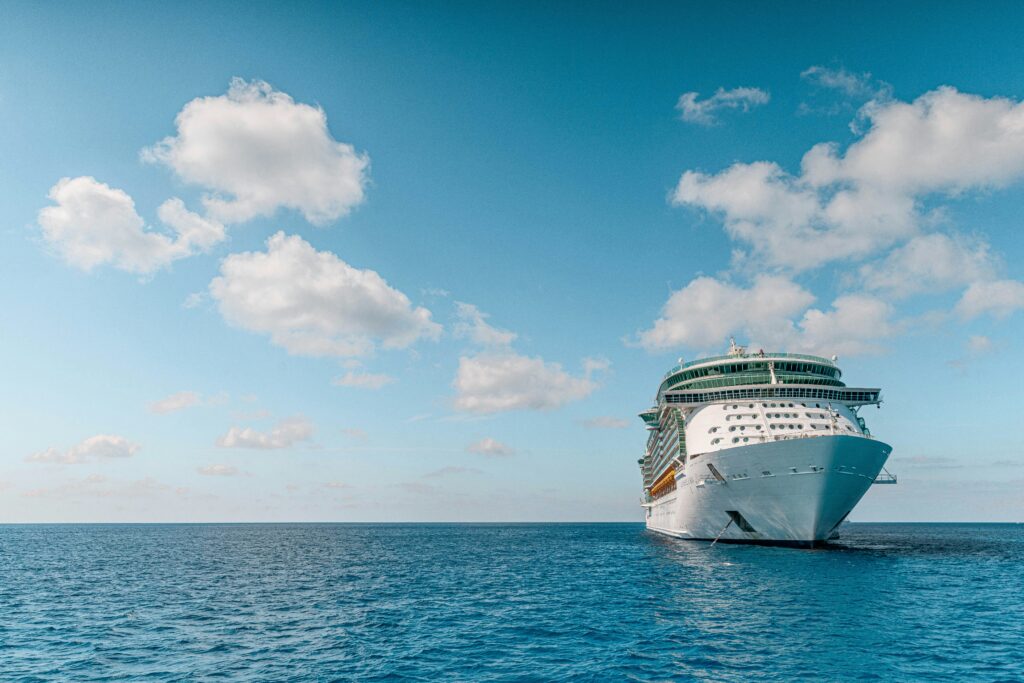
The cruise ship MV Hondius has become the epicentre of a hantavirus outbreak that has already claimed three lives. The virus is not staying on board: a passenger who disembarked died in Johannesburg and infected a KLM flight attendant. She is now hospitalised in Amsterdam, the first confirmed case of hantavirus on the European mainland.
The MV Hondius carries more than 140 passengers and crew from around 15 countries. The vessel is heading to Tenerife, where it is expected to dock within three to four days. On arrival, all those on board will face isolation and testing at quarantine facilities on the Canary Islands.
The European Commission has been monitoring the situation since the first notifications arrived. The World Health Organisation reported seven cases linked to the Hondius in a 4 May statement. Laboratories confirmed two of them. Three people died. The European Centre for Disease Prevention and Control (ECDC) has deployed an expert on board to assess conditions in real time.
A chain of infection crosses continents
The case that alarmed authorities most involves a Dutch tourist. She left the Hondius, boarded a flight to Johannesburg, and died there. Before her death, she briefly shared a KLM aircraft with other passengers. The flight attendant who served her tested positive for hantavirus. She now lies in hospital in Amsterdam with mild symptoms. Switzerland has also confirmed at least one case linked to the ship.
The attendant continued working after the flight before symptoms appeared. She came into contact with further passengers and colleagues. Dutch and European authorities are now tracing all potential contacts.
Spain, where the ship is expected to dock at Tenerife, has activated the EU Civil Protection Mechanism to coordinate quarantine and testing capacity. The mechanism allows member states to pool emergency resources, including medical expertise, run through the Emergency Response Coordination Centre in Brussels
The Health Security Committee brings together member states, the WHO, and the ECDC. It has already met twice within 24 hours. A further meeting is planned for Thursday afternoon, focused on the countries whose nationals are on board.
Authorities urge calm
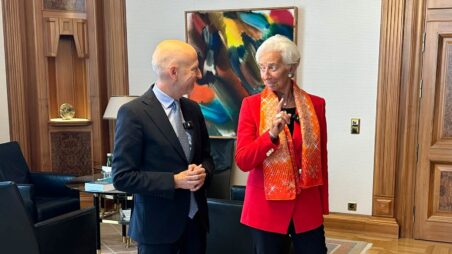
European Commission spokesperson Eva Hrničířová told journalists on Thursday that the risk for the general public in Europe remains low. Based on current evidence, she said, “there is no cause for concerns.”
There is no cause for concerns.
— Eva Hrničířová, European Commission spokesperson
Hantavirus does not spread easily between people. It transmits primarily through contact with infected rodents or their droppings. Human-to-human transmission is considered rare. The precise source of the outbreak on the Hondius remains under investigation.
The Commission has said it will continue to coordinate with member states as the ship approaches European waters and will share further information after Thursday’s committee meeting.