War in the Middle East is shaking global markets — and the G7 wants the IMF and the World Bank to do more to shield vulnerable economies. The talks also exposed a transatlantic rift over exemptions allowing countries to buy Russian oil.
As the conflict with Iran fuels economic uncertainty and raises concerns about financial stability, G7 finance ministers and central bank governors sent a clear message in Paris on Tuesday: the International Monetary Fund (IMF) and the World Bank take a stronger role in responding to the deepening crisis.
France Finance Minister Roland Lescure said the ministers discussed how the conflict is affecting the most vulnerable countries, people and sectors. “We agree that the IMF and the World Bank have to step up their game for those countries and help them,” he added.
The meeting brought together not only the G7 countries but also officials from Brazil, India, Kenya, and South Korea, alongside leaders of major international organisations. The G7 includes Canada, France, Germany, Italy, Japan, the United Kingdom and the United States. The EU has been participating in the group’s work since the 1970’s.
Immediate concerns
The G7 voiced their immediate concern regarding the economic fallout from the conflict in the Middle East. “We acknowledge that global economic uncertainty has heightened risks to growth and to inflation amid the ongoing conflict in the Middle East, particularly through pressures on energy, food, and fertilisers supply chains,” the ministers said after the meeting.
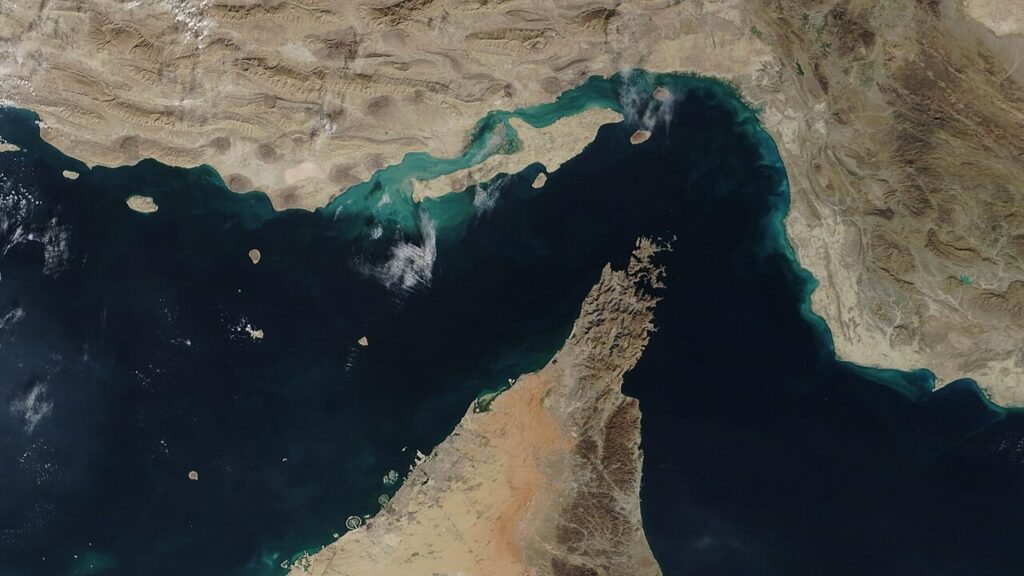
They warned that vulnerable economies are feeling the effects most strongly. “To mitigate these negative impacts, we recognise that a swift return to free and safe transit through the Strait of Hormuz and a lasting resolution to the conflict are imperative,” the ministers stated.
Meanwhile, they see a clear role for international institutions. The IMF is primarily responsible for macroeconomic stability, balance-of-payments support, and financial surveillance. In turn, the World Bank focuses on long-term development financing and poverty reduction.
Economically vulnerable countries are especially suffering from the current crisis. In response, the IMF, the World Bank and the International Energy Agency have set up a coordination group to monitor the situation and assess its global economic consequences. Ministers stressed that the institutions should continue working together “based on the full range of their respective toolkits and in accordance with their missions”.
Russian oil
Where the G7 usually speaks with one voice, Tuesday’s meeting revealed a clear divide stemming from the Middle East crisis. During the press conference, European Commissioner for Economy and Productivity Valdis Dombrovskis commented on the US’ decision to commented on the US decision to keep allowing energy-vulnerable countries to purchase Russian oil.
“From [an] EU point of view, we do not think this is the time to ease pressure on Russia. In fact, Russia is the one gaining from the war in Iran and increased fossil fuel prices,” Mr Dombrovskis said. He added the US should focus on strengthening measures on Russia instead of extending the exception for a second time.
The exemption was originally introduced to avoid sudden supply disruptions and price spikes in developing economies. Now it has become increasingly controversial as oil prices continue to rise. While Washington argues that limited flexibility is necessary to preserve global energy stability, European officials warned that easing restrictions risks undermining sanctions pressure on Moscow and boost Russian revenues.