How can Europe attract more doctors, nurses and other healthcare workers — and, crucially, keep them in the profession? As staff shortages deepen across the bloc, the European Parliament has backed a plan to recruit at least one million people over the next seven years. But lawmakers face a growing dilemma: how to fill the gaps without simply drawing professionals away from countries that can ill afford to lose them.
Healthcare systems across Europe face mounting pressure from ageing populations and growing long-term care needs. The European Parliament’s Employment and Public Health committees have adopted proposals aimed at tackling one of Europe’s most pressing challenges: a growing shortage of doctors, nurses, pharmacists and other frontline healthcare professionals.
The report calls on the European Commission to develop an ambitious strategy to increase the healthcare workforce by at least one million people during the next long-term budget covering period between 2028 and 2034. According to the World Health Organization, that is roughly the number of healthcare workers Europe is expected to be lacking by 2030 if current trends continue.
MEPs also want greater investment in training, scholarships, workforce retention and working conditions across the sector.
Beyond recruitment
But Parliament’s proposal goes beyond simply recruiting more staff. The report argues that healthcare workforce shortages have become a structural threat to the sustainability of healthcare systems, patient safety and access to care. MEPs are calling for better remuneration, stronger mental health support, more stable career pathways and targeted measures to reduce the burden currently placed on healthcare professionals.
“Healthcare professionals are the backbone of our healthcare systems, and tackling workforce shortages must become a strategic priority for Europe,” said Ruggero Razza (ECR/ITA), rapporteur for the Public Health Committee. “We need to make healthcare professions more attractive, strengthen education and training pathways, and create the conditions that allow talent to stay and thrive within our healthcare systems.”
While the headline proposal focuses on adding one million healthcare workers, the debate in Parliament increasingly centres on retention. According to the report, one in three doctors and nurses experiences mental health challenges. MEPs argue that unsafe staffing levels, administrative burdens and burnout are driving healthcare professionals out of the sector at a time when demand for care continues to grow.
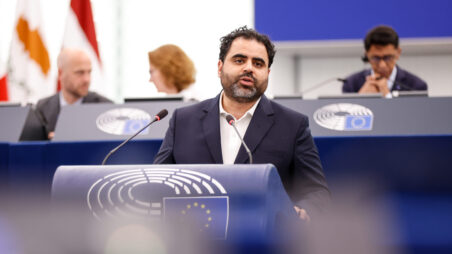
Loucas Fourlas (EPP/CYP), rapporteur for the Employment and Social Affairs Committee, described the situation as a challenge not only for healthcare workers but for patients and healthcare systems more broadly.
“Hospitals, primary care centres and long-term care services are under increasing pressure due to understaffing, burnout, ageing populations and growing healthcare demands,” he said. “This is not only a workforce issue — it is a matter of patient safety, equal access to healthcare and the long-term resilience of our public health systems.”
The report therefore calls for an obligatory framework recognising unsafe staffing levels as an occupational hazard and urges member states to strengthen mental health support for healthcare workers.
Healthcare organisations welcome the vote
Healthcare professional organisations welcomed the committee vote and described it as an important step towards a long-awaited European health workforce strategy. The European Federation of Nurses Associations, the Standing Committee of European Doctors, the European Federation of Public Service Unions and the Pharmaceutical Group of the European Union jointly called on Parliament to endorse the report during its July plenary session.
For nurses, the priority remains translating recommendations into concrete action. “EFN appreciates the relentless support of the rapporteurs to the nursing profession to solve in an urgent and concrete way the shortages of nurses within the EU,” said Paul De Raeve, Secretary General of the European Federation of Nurses Associations. “We need concrete actions, supported by all political parties, to address the enormous shortage of nurses in the EU.”
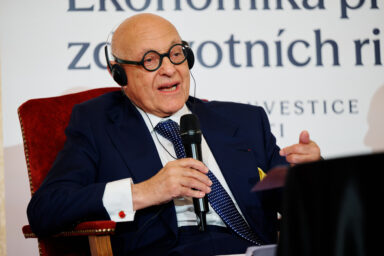
Doctors’ organisations echoed those concerns. “For many years, European doctors have warned that workforce shortages create a vicious circle: poor working conditions push colleagues away from the profession, while shortages place even greater pressure on those who remain,” said Ole Johan Bakke, President of the Standing Committee of European Doctors. “These shortages also create a risk for patients both for availability and quality of healthcare.”
Brain drain remains unresolved
One of the most politically sensitive questions surrounding the report is how Europe should address workforce shortages without worsening healthcare worker shortages elsewhere. Several amendments tabled during the parliamentary process focused on the growing problem of brain drain, particularly from countries in Central and Eastern Europe.
While MEPs broadly support labour mobility and improved recognition of professional qualifications across the EU, many amendments warned against creating a situation in which some member states train healthcare professionals only to see them leave for wealthier countries.
The report therefore emphasises ethical recruitment practices and argues that international recruitment should complement, rather than replace, long-term workforce planning and domestic training efforts. The issue is becoming increasingly prominent across Europe as countries compete for a limited pool of healthcare professionals.
Technology as part of the solution
The report also highlights the role digital health tools and artificial intelligence could play in helping healthcare systems cope with workforce shortages. MEPs support the wider use of telemedicine and AI-supported diagnostics, particularly in rural and underserved areas where shortages are often most severe.
At the same time, Parliament stresses that healthcare workers must be equipped with the digital skills necessary to use these technologies effectively. The report therefore calls for investment in education, upskilling and specialised training programmes to prepare the healthcare workforce for a more digital healthcare environment.
A test for the next EU budget
The workforce debate is also becoming a budget debate. Parliament is calling for increased public investment in healthcare systems and greater use of European funding instruments, including support for scholarships, workforce training and recruitment programmes.
Several amendments also highlight the role of EU4Health, the European Social Fund Plus and other European funding mechanisms in supporting workforce development. The timing is significant as discussions begin on the EU’s next Multiannual Financial Framework, long-term budget covering the period from 2028 to 2034.
For healthcare organisations, the question is no longer whether Europe faces a workforce crisis, but whether policymakers are willing to invest in solving it. “Europe’s healthcare workforce is sounding the alarm, and this report shows that the European Parliament is listening,” said Jan Willem Goudriaan, General Secretary of the European Federation of Public Service Unions.
The report will now move to the European Parliament’s plenary session, where MEPs are expected to vote on it in July. If approved, pressure will increase on the European Commission to transform Parliament’s recommendations into a comprehensive European health workforce strategy.