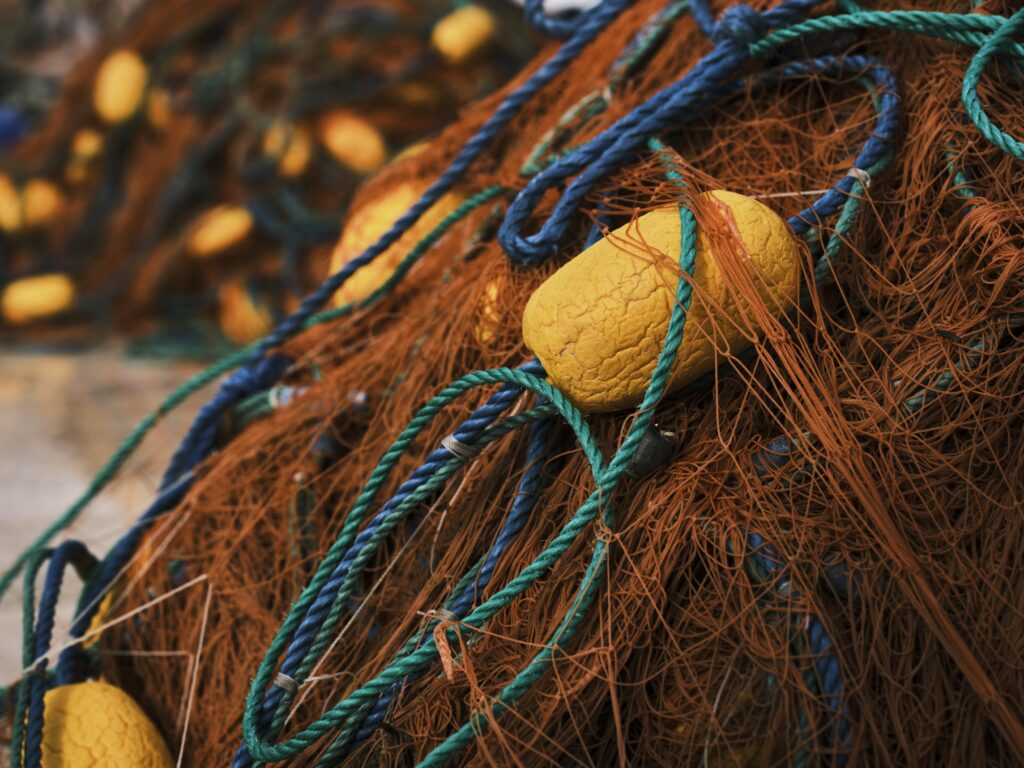
Fishing communities across Europe are running out of time. Meeting under the Cyprus Presidency, EU ministers launched negotiations on the future of the Common Fisheries Policy and set their sights on catch quotas for 2027. Dwindling stocks, soaring fuel bills, and an uncertain budget are all bearing down at once.
The European fishing sector is at a “critical juncture.” That was the message from Commissioner for Fisheries and Oceans Costas Kadis, who did not sugarcoat the diagnosis. Fish stocks in the Mediterranean remain heavily overfished. The Baltic is under severe environmental pressure. Fuel prices have nearly doubled in recent months. “Ocean health and economic performance are two sides of the same coin,” he told ministers.
The hard-won progress since 2013 is real, Kadis said. More stocks are now fished sustainably. Science-based management is delivering results. But serious weaknesses remain, and the sector faces pressure from every direction.
Quotas for 2027
Ministers then turned to fishing opportunities for 2027, the annual process of setting total allowable catches and quotas. For fishing communities, the decisions determine their livelihoods. For environmental groups and scientists, they will reveal whether the EU follows its own scientific advice.
Agriculture Minister Maria Panayiotou stressed that decisions must rest on the best available science. Economic viability matters too, she said. European fisheries face pressure from climate change, environmental degradation, and the energy transition. Sustainable fisheries are not just a matter of fish. They underpin coastal livelihoods, food security, and Europe’s strategic autonomy.
Ministers were clear about what they need. More stability and predictability, including through multiannual catch limits rather than the current year-by-year approach. Simplification of rules. Fleet modernisation and decarbonisation. Support for generational renewal. And a stronger future for aquaculture.
The availability of fish is also declining in key fisheries of the Northeast Atlantic, Kadis noted. An ageing workforce and low wages add to the pressure. Quota decisions made in Brussels can determine whether a harbour town thrives or empties out.
A fleet in need of a future
The discussions also looked beyond 2027. Ministers addressed fisheries funding for 2028 to 2034 as part of the broader negotiations on the next multiannual financial framework. The Cyprus Presidency secured a doubled ring-fenced Common Fisheries Policy allocation of €4 billion, combined with dedicated support for fisheries control and data collection. If confirmed, the fisheries budget for the next programme period could stay close to current levels.
Ocean health and economic performance are two sides of the same coin.
— Costas Kadis, Commissioner for Fisheries and Oceans
Kadis said some of the sector’s problems can be fixed through better implementation of existing rules. Others will require targeted amendments. The Commission plans to launch a call for evidence soon, with a proposal for changes to the European Maritime, Fisheries and Aquaculture Fund (EMFAF) expected by early autumn.
The evaluation of the Common Fisheries Policy regulation is also feeding into a broader rethink. The Commission’s Vision 2040 for fisheries and aquaculture, the upcoming Ocean Act, and the next long-term budget negotiations will all draw on its findings. The basic objectives set in 2013 remain sound, Kadis said. The question is whether the tools at the sector’s disposal are fit for today’s challenges. Ireland takes over the file from Cyprus with that question still open.