Brussels has long struggled with slow, fragmented approval processes for energy infrastructure. MEPs backed rules that treat new grids and renewable projects as being in the public interest and force authorities to decide sooner. Parliament can now start negotiating the file’s final shape with EU governments.
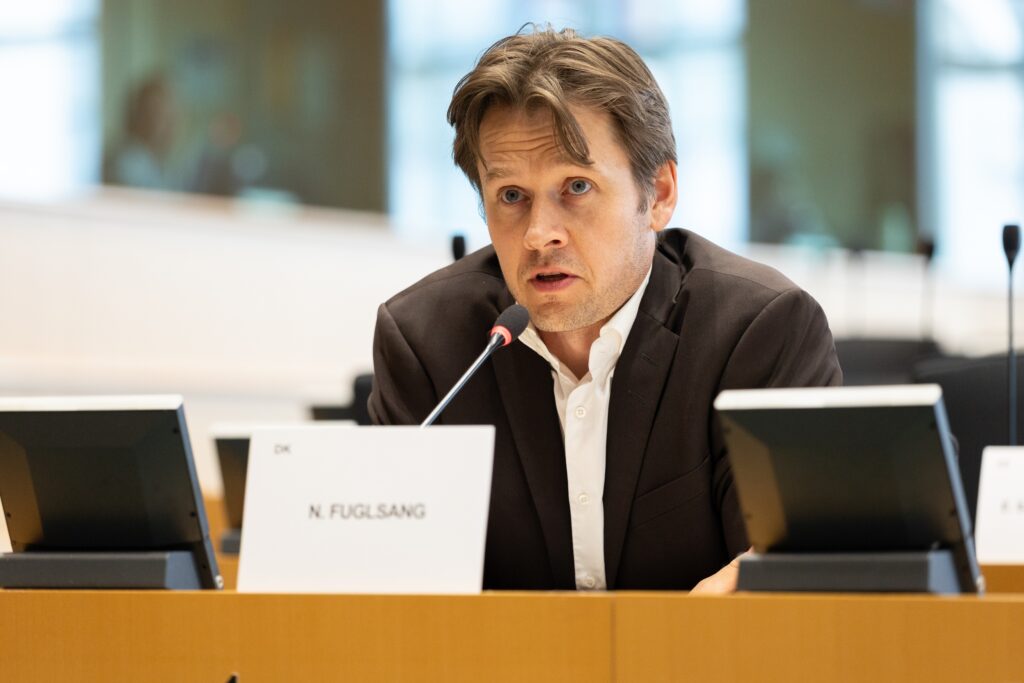
Members of the Industry, Research and Energy (ITRE) and Environment (ENVI) committees voted on Thursday to back the so-called Permitting Directive, part of the Commission’s wider European Grids Package. The report, steered by rapporteur Niels Fuglsang (S&D/DNK), now gives Parliament a mandate to negotiate the law’s final text with EU governments.
Mr Fuglsang welcomed the outcome. “It is clear: we want to accelerate the phase-out of imported fossil fuels. We want more grids, more renewables and we want it faster, but without sacrificing Europe’s high environmental standards,” he said. “As the rapporteur for this agreement, I’m very happy with the result.”
Lengthy and complex authorisation processes have become one of the biggest obstacles to Europe’s electrification ambitions, according to ITRE committee members. Permits for new infrastructure can currently take years, slowing down projects even where funding and political will already exist. The permitting rules form one half of the Commission’s European Grids Package, unveiled in late 2025 to modernise Europe’s ageing electricity networks.
Europe’s existing grids are no longer sufficient to integrate growing volumes of renewable energy or transport electricity efficiently across borders. Electricity demand is expected to increase sharply through the electrification of transport, industry and heating.
Faster permits
The Parliament’s position rests on three central pillars. First, electricity grids and renewable energy projects would automatically be considered to be of “overriding public interest”, strengthening their legal standing when weighed against competing interests during permitting procedures. According to Mr Fuglsang, this reflects the strategic importance of expanding Europe’s electricity infrastructure.
Second, MEPs want mandatory benefit-sharing mechanisms for local communities hosting renewable energy projects. This should help to increase public acceptance and reduce local opposition that often delays new developments.
It is clear: we want to accelerate the phase-out of imported fossil fuels. We want more grids, more renewables and we want it faster, but without sacrificing Europe’s high environmental standards.
— Niels Fuglsang, rapporteur, European Parliament (S&D/DNK)
Third, Parliament supports introducing “tacit approval” rules, meaning permit applications could automatically progress if public authorities fail to respond within the required deadlines. Supporters argue this would prevent administrative delays from holding up critical infrastructure projects.
Watered down
Last week, member states significantly watered down the European Commission’s proposal to finance new cross-border electricity infrastructure through congestion revenues collected by transmission system operators. Rather than dedicating 25 per cent of unused congestion income to European grid projects as the Commission had proposed, governments agreed to a much narrower compromise, limiting contributions to unused revenues from cross-border trade and phasing them in gradually from 2028.
That decision has raised concerns about whether sufficient funding will be available to modernise Europe’s ageing electricity networks, which require an estimated €1.2tn in investment by 2040 to accommodate growing electricity demand from electrified transport, industry, heat pumps and data centres.
The Parliament has generally advocated a more ambitious European approach to grid investment and cross-border infrastructure. The vote gives Parliament a mandate to begin interinstitutional negotiations with the Council. “I’m looking forward to leading the negotiations with the Council beginning already before the summer,” Mr Fuglsang said. “I’ll do my best to ensure that the Parliament’s high level of ambition is reflected in the final agreement.”