Trains, ports, and military supply routes are set to receive a major boost as the European Commission launches a €1.1 billion call for transport infrastructure projects. It is the last major funding opportunity under the current long-term EU budget.
The money will flow through the Connecting Europe Facility (CEF), the EU’s flagship instrument for trans-European transport networks. Projects selected under the call must advance at least one of Brussels’ current priorities, from the EU’s high-speed rail plan and the industrial action plan for the automotive sector to strengthening maritime connectivity.
The call also has a clear defence dimension. It targets military mobility bottlenecks and supports the swift implementation of the EU’s military mobility package, reflecting a broader shift in which transport infrastructure is increasingly seen as a security asset. With the current long-term budget running until 2027, applications are open until 6 October 2026.
Rail‚ port‚ and military mobility in focus
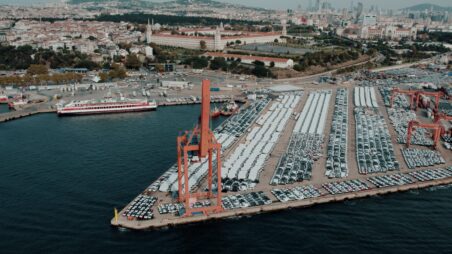
The call places particular emphasis on rail, maritime transport, and military mobility. Selected projects must advance the EU’s high-speed rail ambitions and maritime connectivity. This puts them in line with the recently launched industrial maritime and ports strategies.
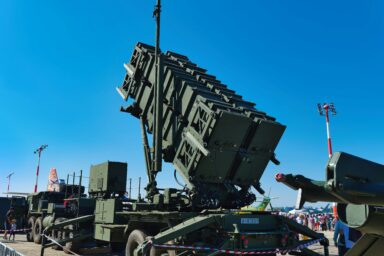
The funding will also help move military assets and personnel more efficiently across Europe, as part of the EU’s wider push to improve defence readiness. It addresses specific bottlenecks that slow the movement of troops and equipment across borders. Transport infrastructure now ranks as both an economic and a security issue.
Cleaner transport infrastructure
The call also supports projects to reduce emissions across the transport sector. These include the electrification of road haulage and airport ground operations, shore-side electricity in maritime and inland ports, and the digitalisation of road transport. For the automotive industry, the call links to an EU industrial action plan. It aims to accelerate the shift to cleaner vehicles while keeping European carmakers competitive.
Ukraine and Moldova are also eligible to apply through the Connecting Europe Facility, reflecting their deepening transport links with the EU. Their gradual inclusion signals Brussels’ commitment to extending the TEN-T network beyond EU borders.
Projects must deliver smarter, more sustainable, and more resilient transport infrastructure. They must also improve interoperability, ensuring transport systems, operators, and infrastructure work seamlessly across borders. With the next long-term budget still under negotiation, the October deadline leaves little time for project developers to put together competitive bids.