Greece’s standoff has shown Europe it might be time to rethink how it punishes Russia for its war against Ukraine.
The European Union is considering changing the way it adopts sanctions against Russia. The trigger was Greece’s obstruction, which held up a major sanctions package for weeks over a demand to exempt a Greek shipping company carrying Russian LNG. The dispute exposed a weakness in the current system: a single country can delay measures that otherwise enjoy broad support, the Financial Times (FT) reports.
According to the British daily, Brussels is now looking for ways to speed up the sanctions process and limit individual countries’ ability to hold up negotiations. One option under discussion is to move away from the current practice of adopting large, all-encompassing sanctions “packages” and instead introduce smaller, more targeted measures.
One dispute brought the whole package to a standstill
Since Russia launched its full-scale invasion of Ukraine in 2022, the EU has adopted 21 sanctions packages. They typically combine dozens of different measures, all of which require unanimous approval from the bloc’s 27 member states.
The approach has had a clear political advantage. It allowed the EU to present a united front towards Moscow and frame each new round of sanctions as a collective decision by the entire bloc.
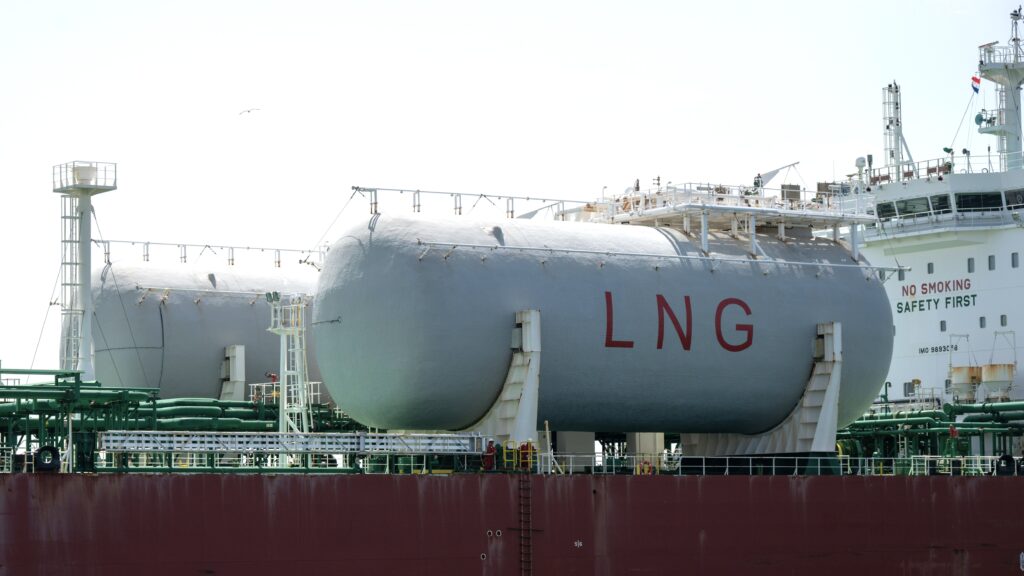
But it has also created room for blockages. The latest example came during talks on the newest package, when Greece pushed for an exemption for Dynagas, a shipping company owned by Greek billionaire George Prokopiou. Athens opposed a measure that would ban European companies from transporting Russian LNG to third countries from 2027.
Greece argued that the measure would mainly hurt a European company rather than Russia’s economy. Greek officials said the ban would simply shift the business to Chinese or other non-European competitors.
Greek resistance exposes limits of the current model
Greece’s stance sparked considerable frustration among some EU diplomats. One source close to the talks told the FT that the current system was no longer viable. “This could be the last ‘package’ of sanctions,” the source said. “It’s now very clear that this approach does not work any more.”
Some EU officials are now pushing for a different approach. Instead of large packages, the bloc could approve sanctions step by step: individual financial restrictions or smaller groups of measures focused on specific issues.
Supporters of the idea argue that this would allow the EU to respond faster and reduce the risk of individual governments using their veto power to protect national economic interests.
Critics, however, warn that the current system also serves a purpose. It forces member states to share the political and economic costs of sanctions and find a common compromise.
The European Commission has not commented on a possible overhaul of the sanctions strategy.
The dispute over the Greek exemption may therefore turn out to be more than just one controversial carve-out for a shipping company. It could open a wider debate over whether the EU’s model of unanimously approved sanctions packages is still fit for purpose in a world where responses need to be faster and more effective.