A lorry rolled up to the Bulgarian border stacked with fake Croatia shirts, ready for the World Cup. It never crossed. By the time a six-week sweep across Europe ended, authorities had seized €17.4m in counterfeit goods.
That lorry was caught at the Kapitan Andreevo crossing. Inside were 41,280 fake Nike-branded shirts worth €1.65m. It was just one stop in Joint Action Days (JAD) Pirates 4. The operation ran from 15 to 26 June across borders, ports, airports and logistics hubs in the EU, Serbia, Ukraine and the United Kingdom.
Frontex led the sweep together with Bulgaria and Europol. Interpol and the European Union Intellectual Property Office (EUIPO) backed the effort. 12 EU member states took part alongside the three non-EU countries. Together, they pulled more than 1.7 million fake items off the market.
What officers found went far beyond clothing. Some fakes were harmless knock-offs. Others carried real risk. The haul included jewellery, watches and mobile phones, but also counterfeit pharmaceuticals, e-cigarettes and vehicle parts, exactly the kind of products that can hurt the people who buy them.
From perfumes to football shirts
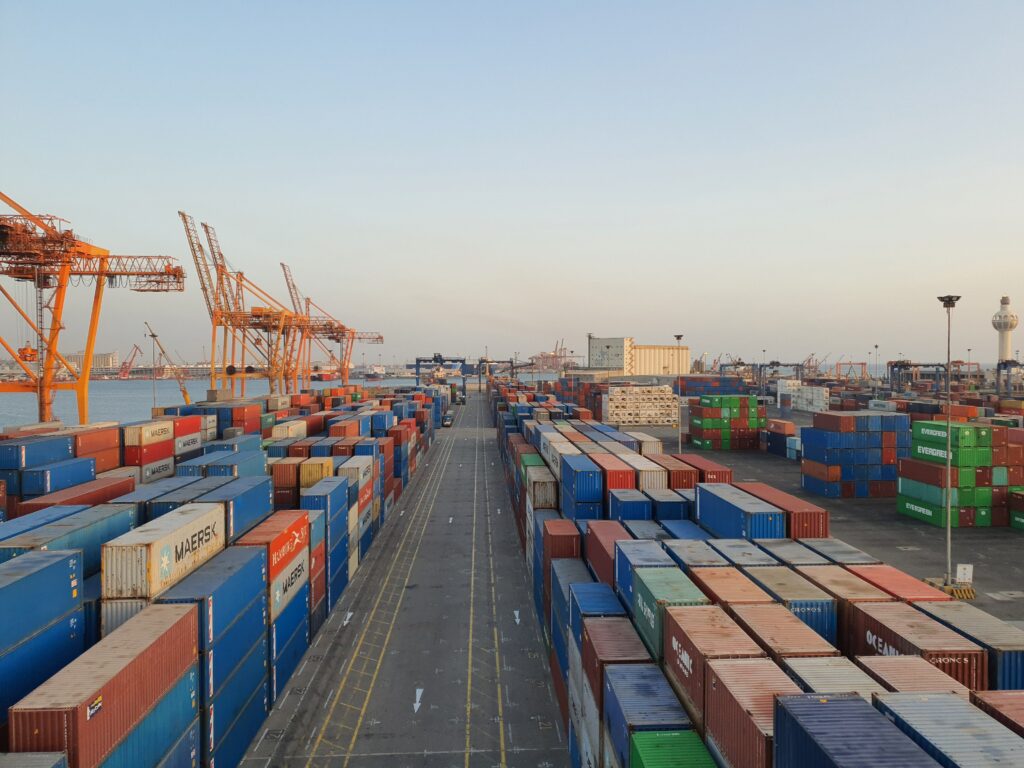
Clothing led the count. More than half a million items worth over €9m were intercepted, the Croatia shirts among them. But perfume smugglers were just as busy. In the Port of Naples, customs officers opened a sea container packed with 83,738 fake perfumes and cosmetics carrying the names of luxury brands. In Hamburg, a container from China yielded thousands of counterfeit Burberry and Christian Dior lipsticks, worth an estimated €374,400.
Even children’s toys were not off limits. Officers seized almost 100,000 fake toys worth over €600,000. Among them were more than 28,000 counterfeit Monopoly sets, found in a container from China at the Port of Sines in Portugal.
And in a case that blurred the line between fraud and food safety, Bulgaria, Czechia and the UK all reported counterfeit Red Bull cans in identical packaging. In total, 243,860 of them were pulled from shelves and warehouses before reaching consumers.
A profitable and organised crime
None of this happens by accident, officials say. Counterfeiting remains one of the most profitable forms of organised cross-border crime. Past editions of JAD Pirates have traced the same routes each time: major land crossings, container ports and logistics hubs. The Balkans, the Black Sea and the Mediterranean feature most often.
Counterfeit trade is not a victimless crime.
— Lars Gerdes, Frontex Deputy Executive Director for Operations
“Counterfeit trade is not a victimless crime,” said Lars Gerdes, Frontex Deputy Executive Director for Operations. “It finances organised criminal networks, undermines legitimate businesses, deceives consumers, and can pose serious health and safety risks.”
The operation ran under the European Multidisciplinary Platform Against Criminal Threats (EMPACT). The framework lets EU countries and agencies coordinate against organised crime, with support from the private sector. In 2024 alone, EU border authorities detained 19.7 million counterfeit items worth an estimated €1.5bn.
The damage lands hardest on legitimate business. The EU clothing industry alone loses almost €12bn a year to counterfeiting. That hit costs an estimated 160,000 jobs annually, most heavily in Germany and Italy.