Europe’s summer of wildfires and drought is leaving billions uninsured. Disasters are outpacing cover, and Brussels wants insurers, investors and governments to close the gap. Ursula von der Leyen has given the effort a name: the Climate Insurance Alliance.
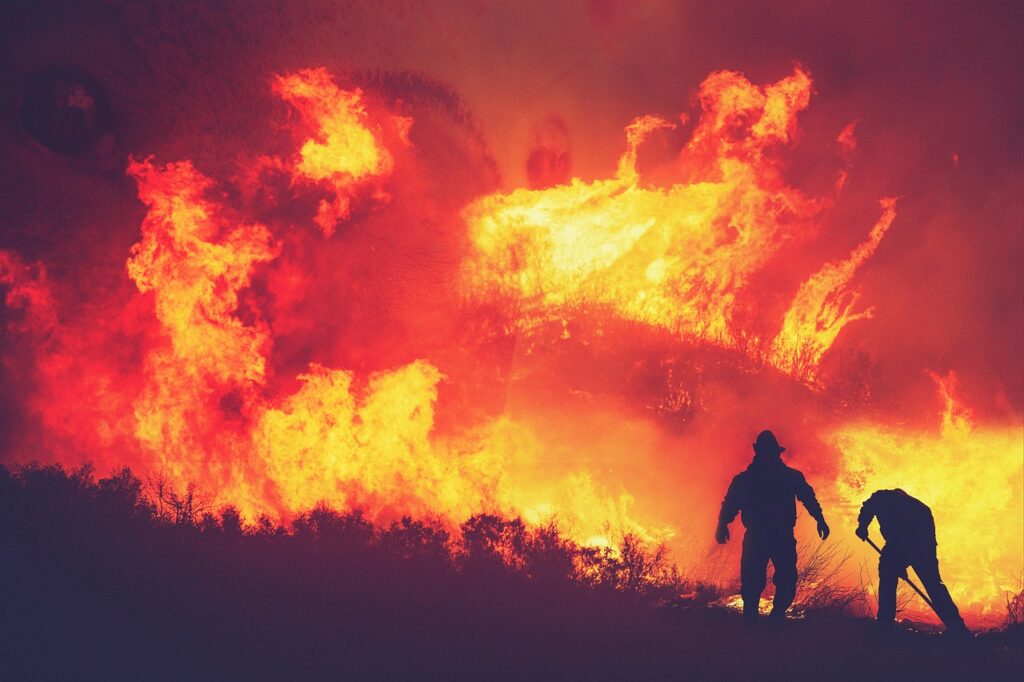
In the village of Le Porge alone, wildfires tore through 42,000 hectares of land and destroyed 180 homes. Across France, blazes forced tens of thousands of people to flee and shut businesses’ doors for weeks, generating around 25,000 insurance claims. France Assureurs puts the cost of insured damage at around €500m.
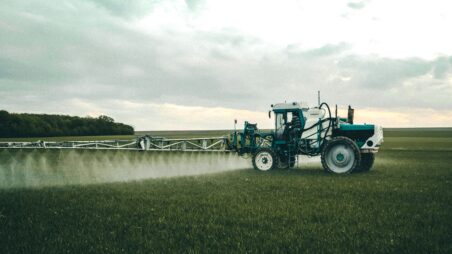
The €500m in insured damage covers only a fraction of the real cost. France’s environment minister has put the combined toll of this summer’s wildfires, heatwaves and drought at up to €15bn. The heat did not spare farms either. Record heatwaves and drought scorched crops, pastures and water supplies across France, pushing the government to pledge over €1bn in aid to farmers.
This is not just a French problem. The cost of extreme weather is rising faster than insurance coverage across Europe, leaving governments, businesses and households to shoulder more and more of the bill. Across EU member states, the 30-year average of annual economic losses from weather- and climate-related extremes rose from €13bn in 2009 to €20bn in 2023, according to the European Environment Agency.
Brussels moves, shape unclear
In her State of the Union speech this week, Commission President Ursula von der Leyen pointed to the widening gap between climate-related losses and the insurance available to cover them. “Today, only around 25 per cent of catastrophe losses in Europe are covered by private insurance,” she said. “This means that, far too often, national budgets become the insurer of last resort.” The Commission will bring insurers, investors, risk modellers, public authorities and insurance policyholders together through the new alliance, while a broader framework for climate resilience is due next month.
Much is still unknown about how the system will work. Still, European institutions have already floated ways to close the gap. A recent European Parliament Research Service (EPRS) briefing says the Commission’s proposal would include measures to boost resilience finance, draw in private investment and widen access to insurance.
Ideas already on the table
The European Central Bank (ECB) and the European Insurance and Occupational Pensions Authority (EIOPA) earlier put forward a “ladder” approach to natural catastrophe insurance. It would combine private insurance with public support at national and EU level.
They also suggested a possible two-pillar EU approach. The first pillar would be an EU public-private reinsurance scheme. It would pool private risks across countries and disaster types, spreading the cost of high-risk events. It would be financed through risk-based premiums paid by insurers or national insurance schemes.
The second pillar would be an EU fund for public disaster financing, funded by member states. It would help rebuild public infrastructure after major disasters. Countries would need to have taken agreed steps to reduce risk before they could access it.
These proposals are not a blueprint for the new alliance. But they show how European institutions have already been weighing ways of sharing climate risks across borders. The Commission has yet to say whether it wants the group to develop a new insurance mechanism, coordinate existing national schemes or prepare the ground for legislation.
Calls for stronger EU action
Finance Watch, a Brussels-based campaign group focused on financial regulation, said such plans would only work with mandatory cooperation. The group called the alliance a useful step. But it said the EU would also need universally accessible insurance coverage, harmonised rules for public-private insurance schemes and a European backstop for the largest losses.
In the Netherlands, for example, farmers can use a subsidised broad weather insurance scheme covering certain weather-related risks. But take-up is low. Fewer than 3,000 farmers take part, less than 10 per cent of those eligible among open-field crop growers.
Dutch agricultural organisation LTO Nederland also noted that the plans by the Commission raise questions. How would a future European climate insurance system interact with existing Common Agricultural Policy (CAP) schemes, including support for crop insurance? LTO has reserved judgement. It wants to see the Commission’s concrete proposals before taking a position.
A global insurance challenge
The debate stretches beyond Europe. Insurers and policymakers increasingly see insurance as more than compensation after disaster strikes. It is also a tool for reducing risk before one happens.
In November, the UN Environment Programme (UNEP) and the Insurance Association of Türkiye will hold a sustainable insurance summit at COP31 in Antalya. Insurers, investors, policymakers and other stakeholders will discuss how to assess and reduce climate risks and boost investment in resilience. They will also address growing protection gaps.
When assets become uninsurable, they can become unbankable and uninvestable, sending shockwaves through the entire economy. — Butch Bacani, Head of Insurance, UNEP
“When assets become uninsurable, they can become unbankable and uninvestable, sending shockwaves through the entire economy,” said Butch Bacani, head of insurance at UNEP, in the summit announcement.
For Brussels, the next step is the broader climate-resilience package that the Commission plans to present in October. That should make clear what the alliance will actually look like.