The European Parliament condemned Russia’s parliamentary elections, backing a resolution on a vote held without genuine opposition and extended into occupied Ukraine. The EU is preparing sanctions against those who organised the voting there or stood as candidates.
The resolution passed in Strasbourg with 482 votes in favour, 41 against and 39 abstentions. It follows Tuesday’s debate with EU foreign policy chief Kaja Kallas, who accused Moscow of using elections to disguise repression and legitimise its occupation of Ukrainian territory.
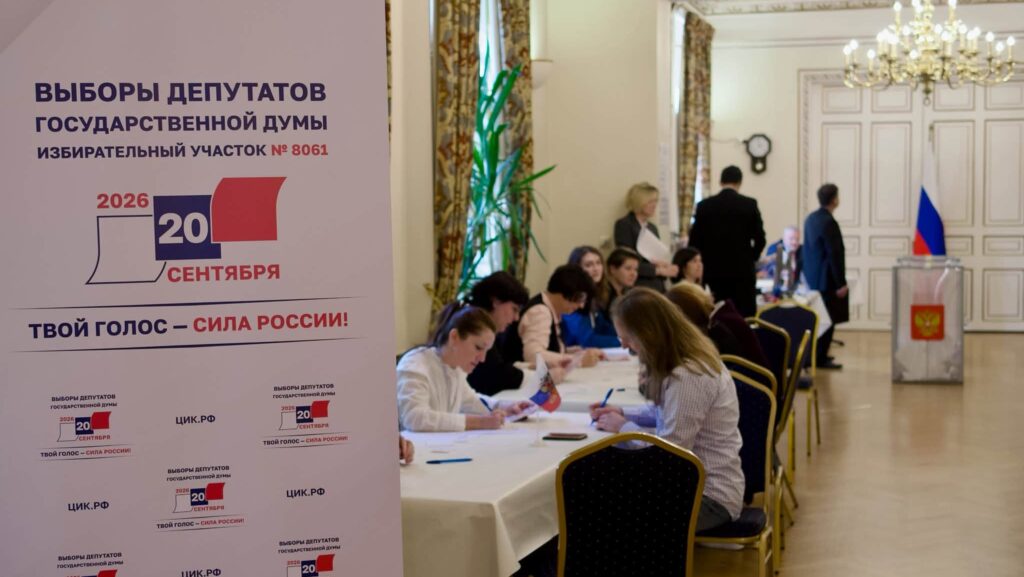
Russia held the State Duma elections on 18–20 September. According to Parliament’s research service, the ruling United Russia party secured 349 of the chamber’s 450 seats. The vote took place without recognised independent domestic or international observers, while candidates from the only anti-war party were excluded.
Sanctions would target voting in occupied Ukraine
“They were an insult to Ukraine, to the Russian people, and to democracy itself,” Ms Kallas told Parliament on Tuesday. She said the EU was preparing sanctions against organisers and candidates involved in the elections in occupied Ukraine. Ukrainian citizens had been coerced into voting under the watch of armed soldiers, she said.
The EU had already announced that it would not recognise those elections or their results. Its position covers Crimea and occupied parts of the Donetsk, Luhansk, Zaporizhzhia and Kherson regions.
The crackdown inside Russia was also central to the parliamentary debate. “It imprisoned opponents, crushed independent media, and forced voting on temporarily occupied Ukrainian territory,” Latvian representative Rihards Kols said, according to a statement published by his European Conservatives and Reformists group on Thursday.
The next step rests with EU governments, which must agree on the sanctions and whom they would target. Ms Kallas said preparations were under way but gave no date for their adoption. Parliament’s vote increases pressure to turn the condemnation into penalties for those involved in organising the elections in occupied Ukraine.