Europe’s smallest communities often lack the resources to navigate complex EU funding procedures, risking being left behind as wealthier regions move ahead. EU ministers now want to make funding easier to access, particularly for small municipalities, local authorities and businesses.
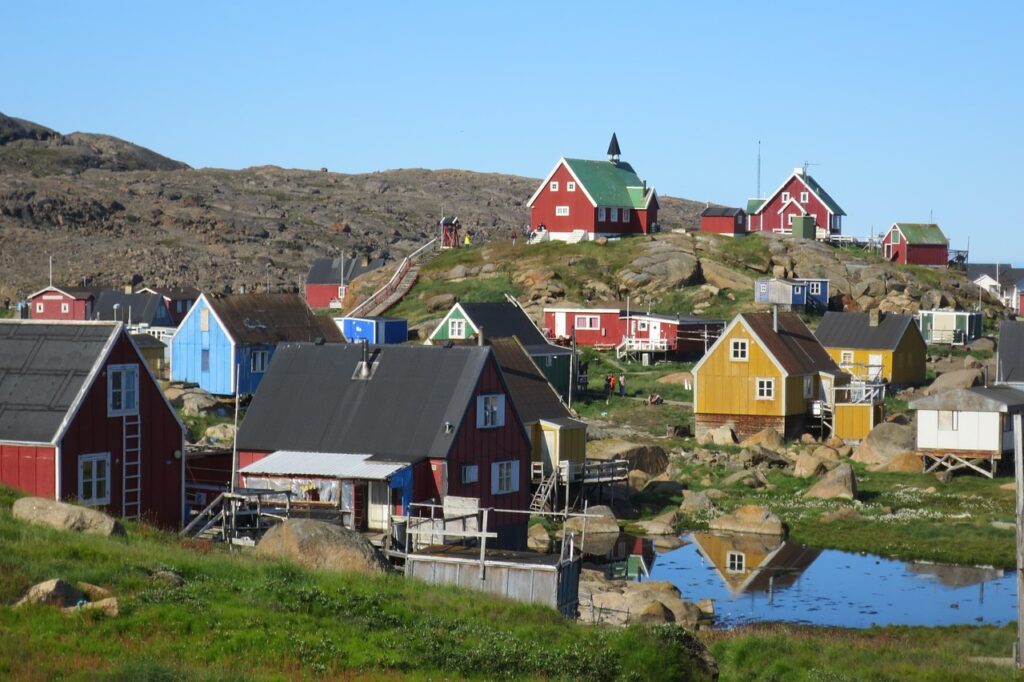
Imagine a small village of 1,000 people that needs to renovate its ageing school, repair a local road or modernise its water supply. EU cohesion funds could help pay for these projects. But applying for that money is far from straightforward.
The local council may have just a handful of employees. No dedicated grant specialist. Little time to navigate complicated applications, technical requirements and reporting procedures.
Faced with the administrative burden, the council may decide not to apply at all. And so, despite the EU’s ambition to reduce regional disparities and ensure that no region is left behind, the communities that could benefit from its support risk missing out.
You might be interested

On Monday, EU cohesion ministers met in Brussels to discuss how to make European funding easier to access. Specifically, how to cut paperwork and remove obstacles for small businesses, local authorities, and first-time applicants.
Lessons learned from the last budget
This is not just a hypothetical problem. Richard Maraček, Slovakia’s State Secretary for Investment, Regional Development and Digitalisation, illustrated the scale of the challenge in his own country. According to him, in Slovakia, around 65 per cent of municipalities have fewer than 1,000 residents. For many of them, navigating complex EU funding procedures can be a challenge in itself.
The European Union will only be as strong as its weakest regions.
— Richard Maraček, Slovakia’s State Secretary for Investment, Regional Development and Digitalisation
“The European Union will only be as strong as its weakest regions,” Maraček said. He stressed that EU funding must remain accessible to both the least developed and the most prosperous regions.
The way forward, ministers suggested on Monday, is by learning from the past. They are looking to build on what has worked during the current 2021–2027 funding period. They discussed how measures such as digital tools, simplified cost calculations and lighter administrative requirements could make applying for EU funding less burdensome. The aim is to carry these lessons into the proposed 2028–2034 funding framework.
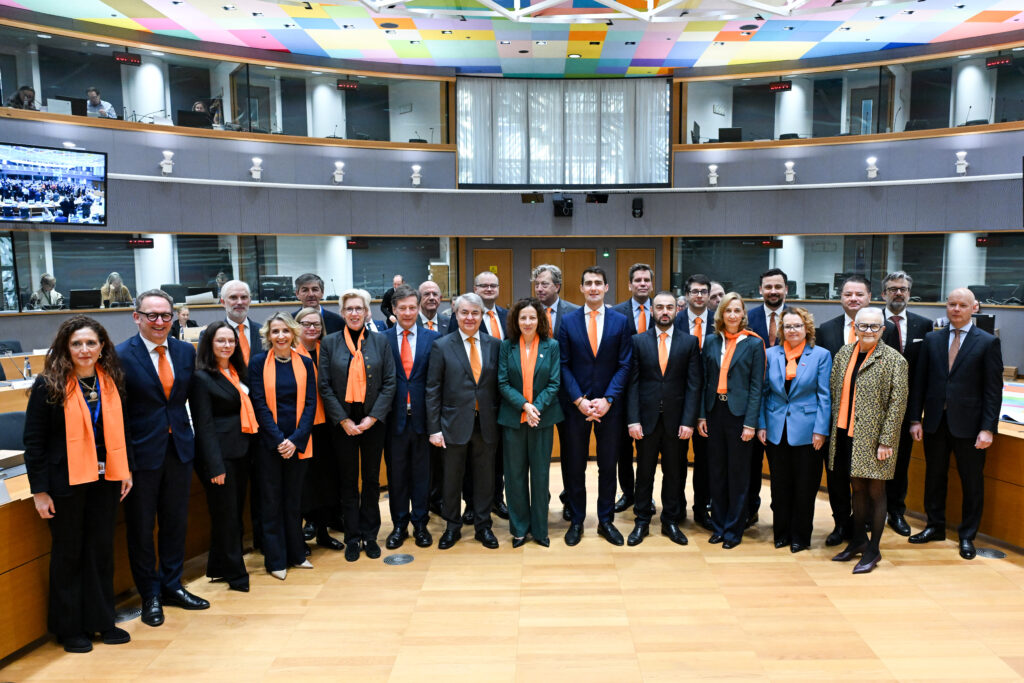
“Strengthening EU’s cohesion policy remains among our presidency’s priorities,” said Jack Chambers, Ireland’s Minister for Public Expenditure, Infrastructure, Public Service Reform and Digitalisation. He emphasised the need to make EU funding more accessible to citizens, small businesses, and local authorities.
Europe’s most remote regions in focus
The challenges facing Europe’s regions go beyond administrative capacity. For some, geography itself is a major obstacle. The EU’s outermost regions, scattered across the Atlantic, Caribbean and Indian Ocean, face structural disadvantages that often require a different approach to cohesion policy.
Ministers also approved Council conclusions on a new strategic vision for the EU’s outermost regions. These territories face challenges ranging from geographical isolation and high transport costs to extreme weather and dependence on a handful of economic sectors. The Council backed an approach that could see EU legislation reviewed and, where necessary, amended to reflect their specific circumstances.
Around 5 million people live in these regions, where economic disparities remain stark. According to the European Commission, eight of the EU’s nine outermost regions have GDP per capita below 75 per cent of the EU average. In Mayotte, the figure is just 30 per cent, the lowest in the Union.
The conclusions follow a Commission strategy presented on 10 September, aimed at strengthening the regions’ economic resilience and strategic role. The EU’s outermost regions belong to France, Portugal, and Spain, stretching from the Caribbean and South America to the Atlantic and Indian Oceans.