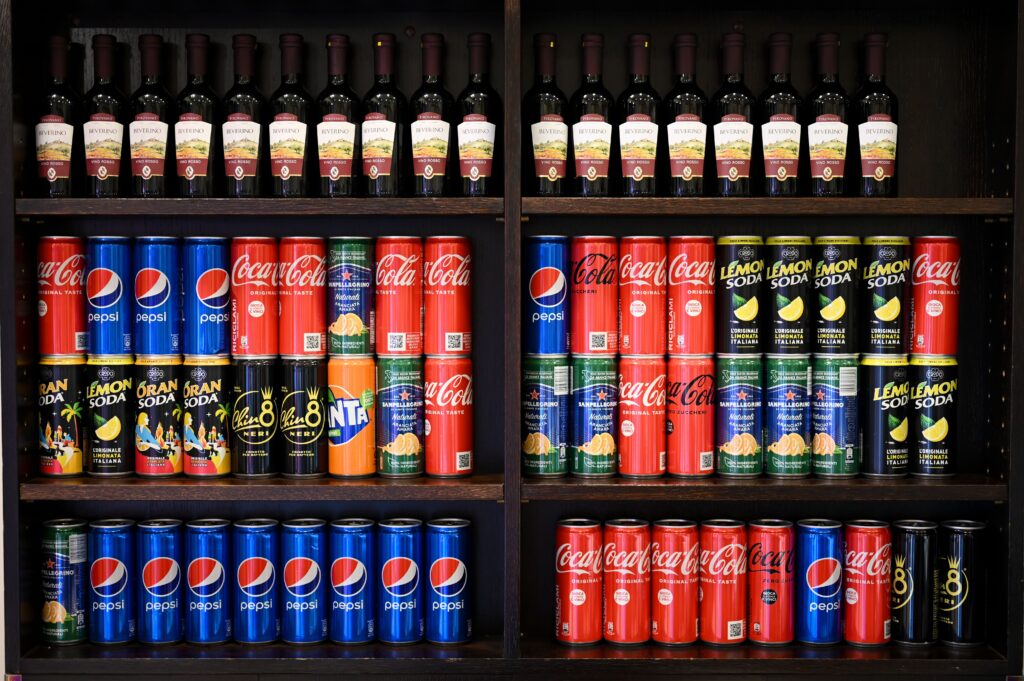
A can of Coke is the same in Madrid and Amsterdam. Its price may not be. Brussels wants to know whether Coca-Cola’s biggest European bottler stopped supermarkets from buying fizzy drinks where they are cheapest.
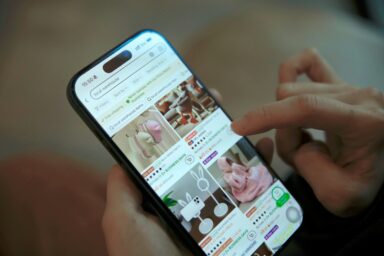
The suspicion is simple. Big supermarket chains operate across borders and want to buy drinks wherever the deal is best. The European Commission suspects that Coca-Cola Europacific Partners (CCEP) may have deliberately made that harder. On 23 November, it opened a formal antitrust investigation.
CCEP is the largest supplier of fizzy drinks in Belgium, France, Germany, Luxembourg, the Netherlands, Portugal, Spain, and Sweden. The probe covers drinks that people buy in shops to take home. Restaurants, hotels, and cafés are not part of it.
Discounts under the microscope
Investigators will check whether CCEP offered retailers discounts only if the drinks stayed in the country. They will also look at whether it sold different bottle sizes in different countries to make resale harder. Two more practices are under scrutiny: rewards for retailers who limited imports into Spain, and a refusal to negotiate supply deals covering several countries at once.
You might be interested
If the suspicions prove true, shoppers would feel it. A retailer that cannot buy Coke where it is cheapest has little leverage to push prices down at home. The extra cost would then end up on the receipt.
Brussels has seen this before. In 2019, it fined AB InBev €200m for keeping cheaper Jupiler beer from the Netherlands out of Belgium, using tactics that included changing can sizes and labels. In 2024, Mondelez, the maker of Oreo and Milka, received a €337.5m fine for practices similar to those now under investigation.
CCEP said it takes competition law very seriously and will cooperate fully. No breach has been established so far. If the Commission finds one, the fine can reach 10 per cent of global turnover. CCEP’s revenue reached €20.9bn in 2025.
A €14bn bill for shoppers
Price gaps between neighbouring countries can be striking. Identical products sometimes cost more than twice as much in one member state as in the country next door. A 2020 study for the Commission estimated that ending such supply restrictions could save Europeans around €14bn.
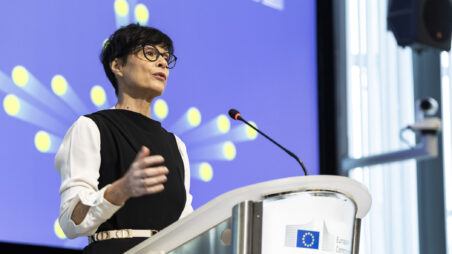
People across Europe enjoy soft drinks every day. But they should not have to pay more simply because they live in one EU country rather than another. — Teresa Ribera, Executive Vice-President for Clean, Just and Competitive Transition
Executive Vice-President Teresa Ribera, who oversees competition policy, put it in plain terms. “People across Europe enjoy soft drinks every day. But they should not have to pay more simply because they live in one EU country rather than another,” she said. According to Ms Ribera, such barriers could mean higher prices and less choice.
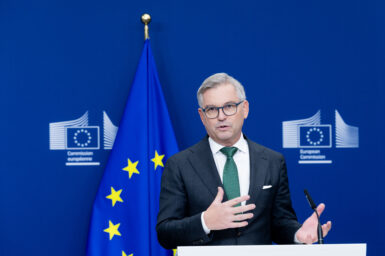
Brussels is also preparing new rules against such barriers. Commission spokesperson Ricardo Cardoso said the CCEP case does not make them redundant. “It doesn’t replace the work that’s being carried out. It complements it,” he told journalists. The investigation has no deadline, and opening it does not prejudge the outcome.