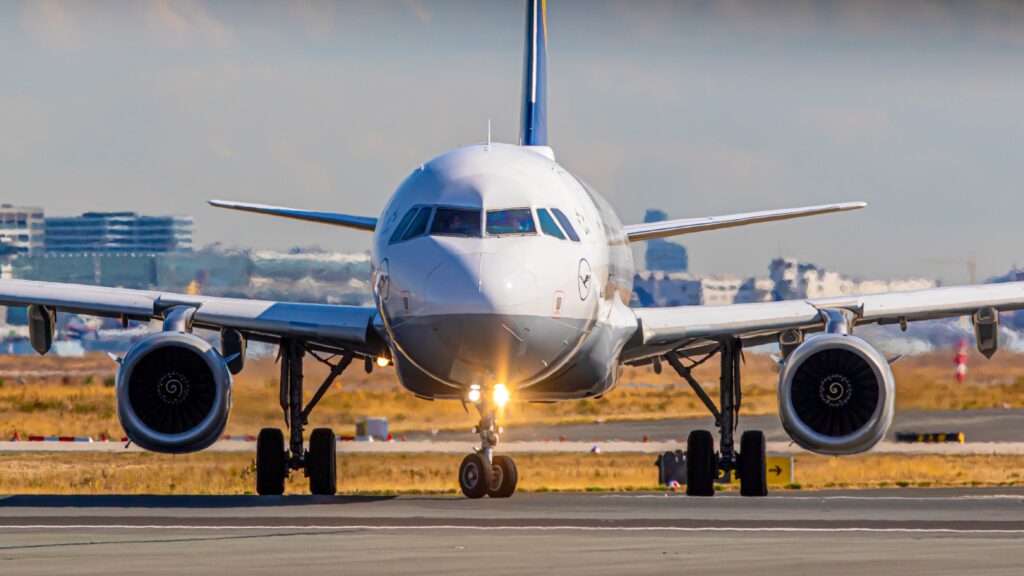
The EU is working toward zero-emission aviation, seeking solutions that could redefine how the sector is powered. The aim is not only to align with green goals, but also to strengthen energy independence and long-term stability.
A newly presented roadmap sets out a broad deployment strategy rather than a detailed technical plan, alongside major investments in infrastructure and energy systems. It outlines a phased rollout of hybrid-electric and hydrogen-powered aircraft across Europe, starting with smaller regional planes in the coming years and expanding to larger aircraft carrying up to 100 passengers after 2040. The plan is to deploy a fleet of 20,000 such aircraft by 2050.
According to Commissioner for Defence and Space Andrius Kubilius, the aviation’s current reliance on fossil fuels represents a fundamental problem. “In 120 years (…) one thing has never changed — the fuel,” he said, arguing that this dependency creates exposure to geopolitical instability and supply shocks.
Dependence on “rogue states”
The solution lies in transitioning to new types of propulsion. Electric and hydrogen-powered aircraft are seen as a way to address both climate and security issues. “If we go electric or hydrogen, no dependence on rogue states like Russia or Iran. No longer hostage to sudden crisis in the world,” Mr Kubilius stressed.
However, transforming aviation will not be only about planes. Raúl Medina, Director General of EUROCONTROL, the European air traffic management organisation, said that it requires alignment of aircraft technology, energy supply and airport operations across the industry and policymakers. He described the shift as a “necessity” given the current climate and geopolitical conditions.
A similar message was delivered by Florian Guillermet, Executive Director of the European Union Aviation Safety Agency (EASA), who underlined that “cooperation among the different actors in the aviation ecosystem is essential for this immense task”. Only a coordinated effort, he noted, will make zero-emission aviation a reality.
Kubilius sides with Birol
The debate about the future of aviation takes place against the backdrop of concerns over the availability of conventional fuels. Mr Kubilius recalled a warning by the executive director of the International Energy Agency, Fatih Birol. “Last week‚ the head of IEA warned us that Europe has only six weeks of jet fuel left‚ pushing up prices‚ cancelling flights‚ putting summer holidays at risk and the defence of Europe,” he reminded.
The European Commission, however, has maintained that there are currently no shortages, jet fuel supply remains constant across the EU.
The combination of climate ambition, security considerations and uncertainty around fossil fuel supply is accelerating the search for alternatives. Zero-emission aviation is thus no longer just a vision for the future. It is increasingly becoming a strategic priority for European policy and industry.