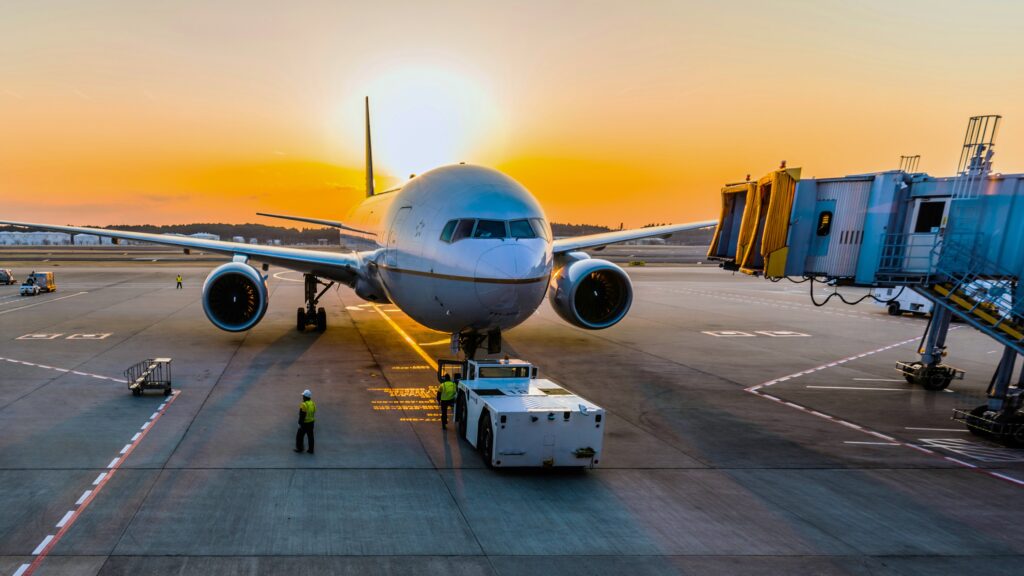
Europe is edging towards an aviation crunch, with jet fuel stocks likely to last barely six weeks, IEA chief Fatih Birol has warned. Airlines could soon be forced to ground flights. Unless oil flows through the Strait of Hormuz resume, the ripple effects will be felt across the entire economy.
Europe has only a narrow window before the full force of the oil shock hits, according to Fatih Birol, head of the International Energy Agency (IEA). “We have maybe six weeks or so of jet fuel left,” he said in an interview with AP.
If the Strait of Hormuz—a vital artery of global energy—is not reopened soon, airlines will have no choice but to start cancelling flights, he stressed. Aviation is among the first sectors where shortages bite immediately.
The largest crisis
Birol described the situation as unprecedented, calling it the “largest energy crisis we have ever faced”. The impact will extend far beyond airports. Rising oil prices are feeding through into higher costs for petrol, gas and electricity, fuelling inflation and weighing on economic growth.
In the past there was a group called Dire Straits. It is a dire strait now, and it is going to have major implications for the global economy. — Fatih Birol, chief of International Energy Agency
“In the past there was a group called Dire Straits. It is a dire strait now, and it is going to have major implications for the global economy. The longer it goes on, the worse it will be for economic growth and inflation around the world,” Birol said.
Birol also cautioned that the economic pain will be unevenly distributed. Developing economies in Asia, Africa, and Latin America, are likely to be hit hardest. “No country is immune,” warned the Turkish economist and energy expert, who has led the IEA since 2015.
Airlines sound alarm
Airport operators and airlines have warned that a shortage of aviation fuel could seriously disrupt the upcoming summer season. Prices have surged, and unless the situation stabilises quickly, passengers are likely to feel the impact in significantly higher fares—just as demand peaks.
Carriers are therefore urging the European Commission to act swiftly. They are calling, among other measures, for the temporary use and import of Jet A fuel, greater regulatory flexibility—including waiving penalties for unused airport slots—and steps to ensure fuel supplies across the EU. They stress that, alongside immediate action, longer-term solutions will be needed to make European aviation more resilient to similar shocks.
‘Toll gate’ precedent
The roots of the crisis are geopolitical. The conflict involving the United States, Israel and Iran has effectively paralysed the Strait of Hormuz. Roughly a fifth of global oil and LNG supplies passed through there before the conflict. Attacks on energy infrastructure and commercial shipping have severely disrupted the market.
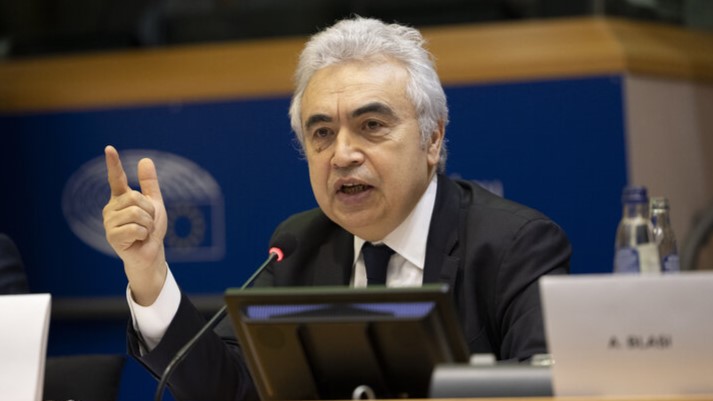
Birol criticised Iran’s so-called ‘toll gate’ system, under which some vessels are allowed to pass through the Strait of Hormuz in exchange for a fee. He warned that if such an approach became more permanent, it could set a precedent for other key maritime routes, including the strategically vital Strait of Malacca in Asia.
“If we change it once, it may be difficult to get it back,” the energy agency chief said. According to him it would be unsustainable to have a toll system in one place but not elsewhere. “I would like to see that the oil flows unconditionally from the point A to point B,” he added.
Slow recovery
Birol also said more than 110 oil tankers and over 15 LNG vessels are currently waiting in the Persian Gulf. That could help ease the energy crunch if allowed to pass through Hormuz. “But it is not enough,” he cautioned.
Even in the event of a peace deal, it could take months to restore pre-war production levels due to widespread damage to energy infrastructure. More than 80 key facilities in the region have been damaged, over a third of them severely. According to Birol, it would be too optimistic to believe in quick recovery. “It will take gradually up to two years to come back where we were before the war.”
Europe now faces an uncomfortable reality: energy security is no longer an abstract concern, but an immediate challenge with tangible consequences — from fuel prices to the availability of flights. If tensions in the Gulf persist, those “six weeks” may prove to be only the beginning of a much deeper crisis.