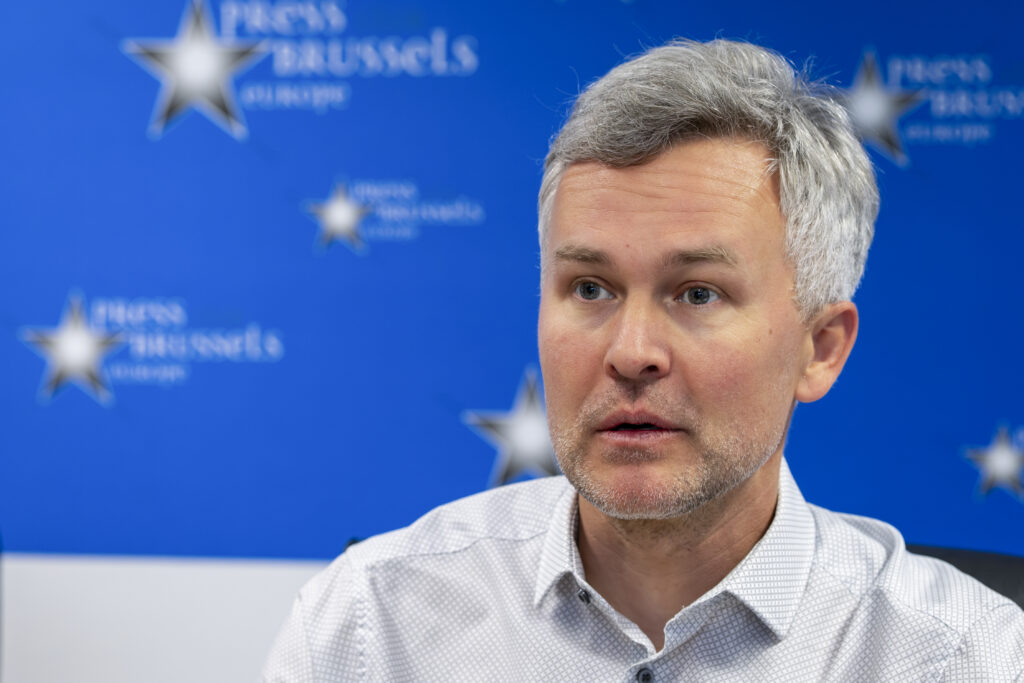
Europe is investing billions in research and innovation (R&I), but still struggles to turn scientific excellence into commercial success. That mismatch was the focus of a roundtable hosted by EU Perspectives, where a lawmaker and a university representative debated how the EU can close its gap with the US and China ahead of the next long-term budget.
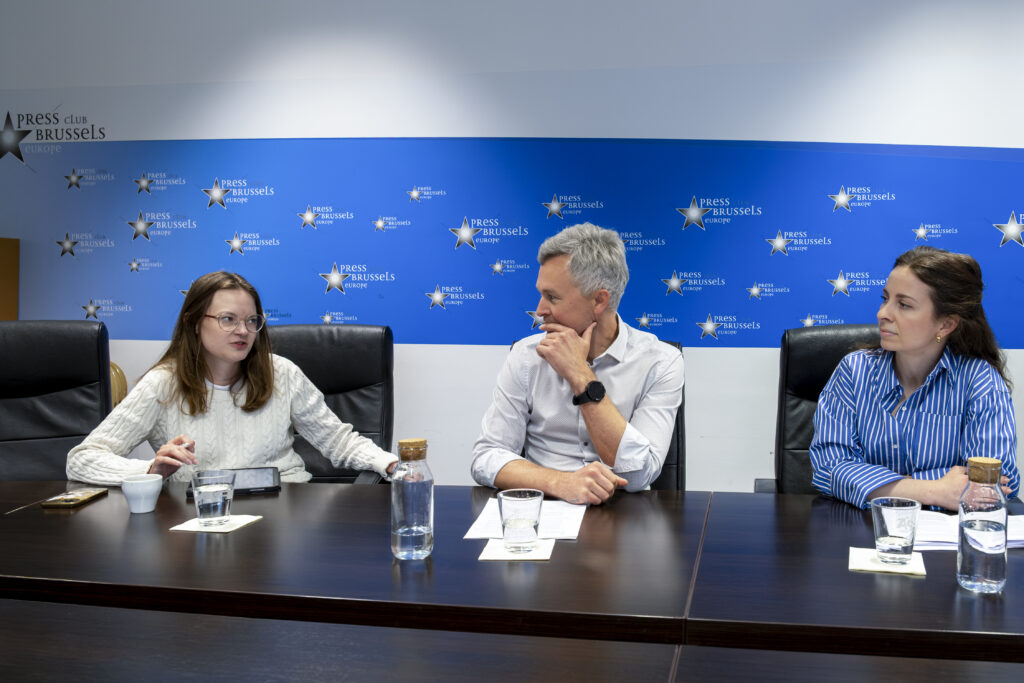
That question brought together Ondřej Krutílek (ECR/CZ), member of the European Parliament’s Committee on Industry, Research and Energy (ITRE), and Kamila Kozirog, Deputy Director of Research & Innovation at European University Association. In the discussion they clashed over whether Europe’s innovation gap is primarily a matter of insufficient funding or a deeper structural problem rooted in fragmentation and weak commercialisation of research.
Both agreed on the diagnosis: Europe is falling behind. But the question is whether Europe’s fragmented innovation ecosystem is capable of translating research into commercial success.
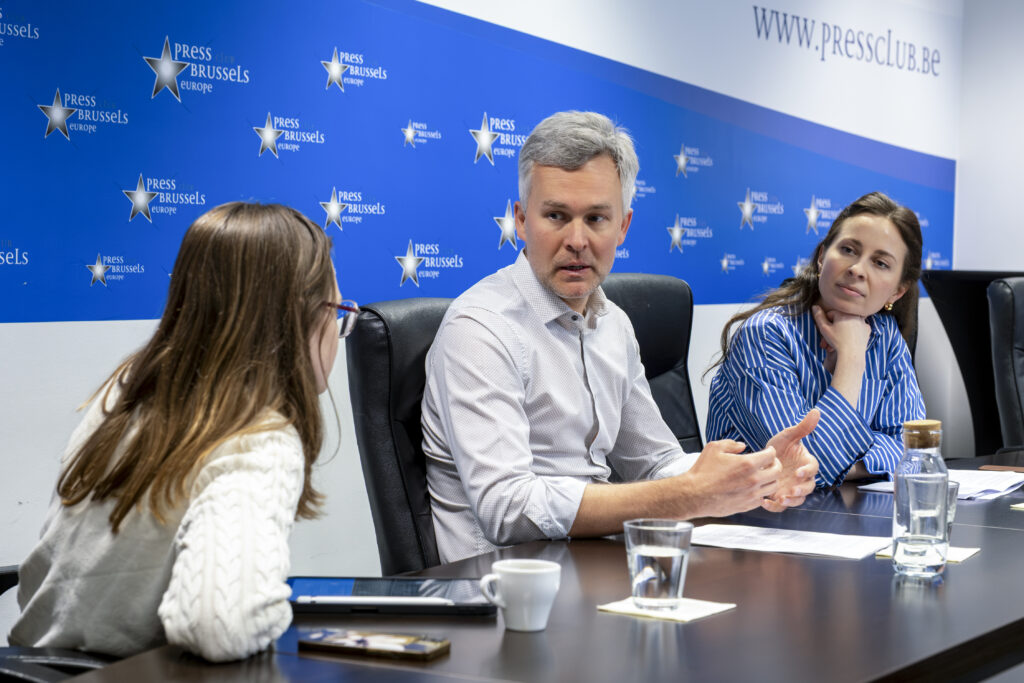
“We need to invest in R&I and innovation, invest more,” Mr Krutílek said, pointing to Europe’s comparatively low spending levels against the US and China, an issue also highlighted in former European Central Bank President Mario Draghi’s 2024 competitiveness report.
But simply increasing budgets would not be enough, he argued. “We need to stick to a holistic way of understanding where the problem is and how to solve it.”
Part of that problem, he argued, lies with Europe’s focus on mid tech: an economy that leans heavily on industries such as automotive and telecommunications while lagging in cutting-edge sectors like semiconductors and robotics. “That’s why we are lagging behind”, Mr Krutílek said. “If we would like to keep and be a part of world economy in the future, we need to invest into R&D, into innovation and leave that mid-tech trap which we are in at the moment”.
How much money is enough?
The debate comes as Brussels negotiates the next Multiannual Financial Framework (MFF), which will determine the EU’s spending priorities from 2028 onward.
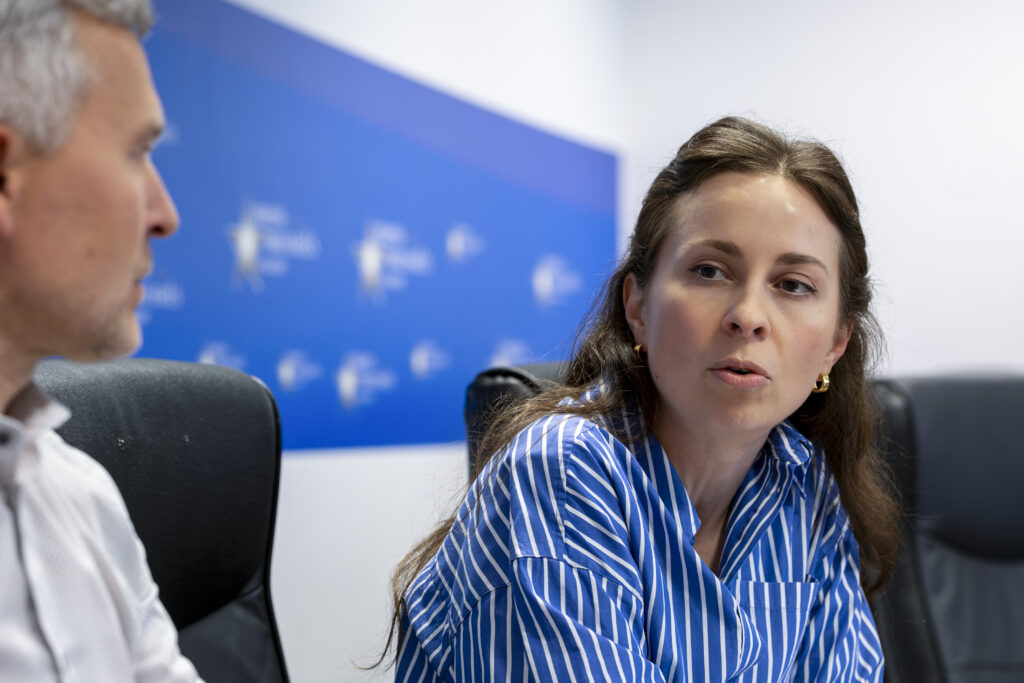
The European Commission has proposed allocating €175 billion to the bloc’s next research framework programme. Ms Kozirog said the European University Association is calling for at least €200 billion. “We used the evidence provided by the Commission itself, the Draghi report,” she said. “There is a big understanding that research and innovation is at the centre.”
“Here in Europe, we have skilled people, but we are not able to commercialise.”
— MEP Ondřej Krutílek (ECR/CZE)
The European Parliament is pushing for a larger envelope. Parliament’s rapporteur Christian Ehler wants to increase that to €220 billion.
Mr Krutílek acknowledged resistance from fiscally conservative member states. He said that he was ready to support the Commission’s proposal, but he considers the Parliament’s higher target even better, though he doubted the latter would survive negotiations with national governments. “I’m afraid member states will lower it,” he said.
More than money alone
Still, Mr Krutílek stressed that the debate should not focus exclusively on EU public money. “We need to mobilise private capital,” he argued. “Let’s compare Europe and the US, where private capital is always mobilised. If it’s not, then you’re lagging behind.”
That challenge, however, runs deeper than financing alone. “It is necessary to survive in the world,” he said, before adding that many European governments are still not mentally prepared for the scale of change required.
Both speakers repeatedly returned to the idea that Europe’s main weakness lies not in research quality but in commercialisation. “Here in Europe, we have skilled people, but we are not able to commercialise,” Mr Krutílek said.
That, he argued, requires an entire ecosystem capable of supporting companies from early-stage research to industrial scale-up. “Universities should come up with research which can then be transformed into spin-offs,” he said. “Then to scale up, you need institutions and politicians that define the rules.”
“We are only politicians”
As negotiations over the EU’s next research programme continue, the final structure remains highly uncertain. Amendments to Parliament’s position are still being negotiated, while member states are expected to push for spending restraint.
Mr Krutílek nevertheless insisted that policymakers remain open to feedback from universities, researchers and businesses. “We are only politicians,” he said. “We need to know what’s going on on site.”