Foreigners will no longer face discrimination at Slovak petrol stations. Under pressure from the European Commission, the government has abandoned a system of higher diesel prices for drivers with non-domestic licence plates. It sends a clear signal that the EU’s single market still has teeth.
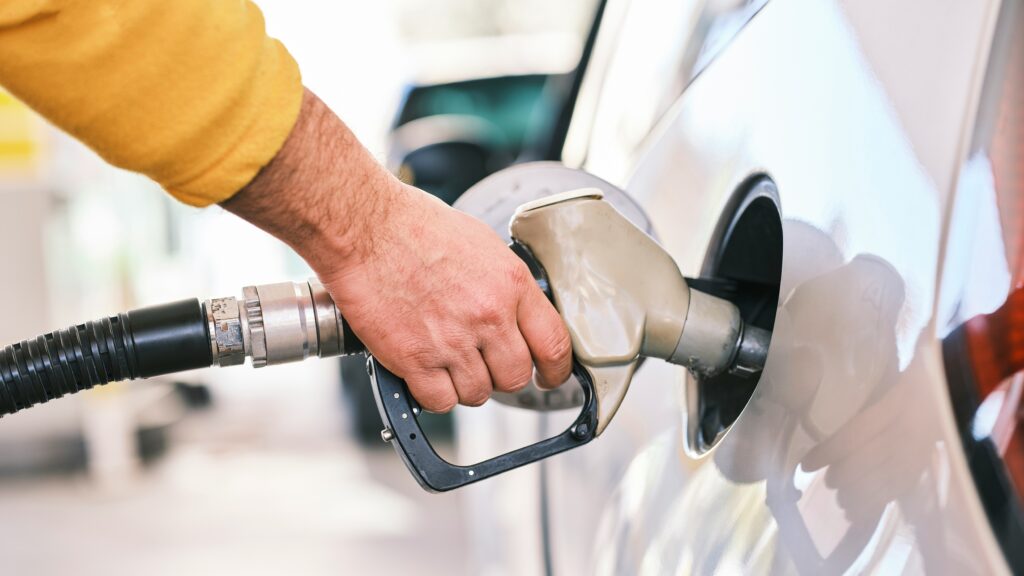
From Friday, Slovakia will scrap the dual pricing of diesel as well as the remaining restrictions on refuelling. The measure, which favoured domestic drivers, drew criticism from the Commission as a potential breach of the principles underpinning the single market. Foreign motorists paid roughly a fifth more for diesel in Slovakia, with prices regularly adjusted according to the prevailing average in neighbouring countries.
The government of Prime Minister Robert Fico presents the move as a return to normality. It marks the end of a system introduced in March as a response to rising oil prices linked to the war in the Middle East. According to Economy Minister Denisa Saková, the change removes the grounds for infringement proceedings against Slovakia.
Fears of ‘fuel tourism’
At the time, the government feared what it described as ‘fuel tourism’. Fuel prices in Slovakia had risen more slowly than elsewhere in Europe, leaving the country with some of the cheapest petrol and diesel in the EU. But the situation soon shifted: domestic prices began climbing, while in neighbouring countries they fell following measures introduced by their governments.
The incentive for fuel tourism thus faded on its own. Last week, fuel prices in Slovakia had overtaken those in neighbouring states — the Czech Republic, Poland and Hungary. That effectively weakened the argument that the measures were needed to protect a cheap domestic market.
According to Saková, average price of diesel in Slovakia is some €1.86 per litre and petrol costs €1.79. In Czech Republic diesel is 3 cents cheaper and petrol is 3 cents more expensive. “If measures had not been adopted by the Czech Finance Ministry, (…) then the price of diesel in the Czech Republic would be higher than in Slovakia, at €1.945 per litre” she noted.
The Slovak opposition has called for cuts to excise duty and value-added tax on fuel. The government, however, has no intention of doing so, Saková confirmed.
Power of single market
The repeal affects more than just pricing. Limits on the quantity of diesel that drivers could purchase are also being scrapped. Until now, motorists were effectively restricted to filling their vehicle’s tank and one canister of up to ten litres.
Bratislava had already lifted other emergency restrictions earlier. Those included a ban on exporting diesel from Slovakia and a €400 cap on the value of a single refuelling transaction — measures that formed part of the state’s attempt to curb consumption.
For the EU, the episode sets an important precedent. Member states may respond to energy shocks, but they cannot discriminate between consumers on the basis of origin. Slovakia’s retreat confirms that even in times of crisis, equal access within the single market remains a fundamental rule.