A diplomatic spat has flared between Brussels and Ankara in the run-up to this year’s COP31 climate summit after Türkiye excluded Cyprus from key preparatory talks — a move the European Commission has condemned. The episode has also revived one of the longest-running irritants in EU–Turkish relations: Ankara’s continued refusal to recognise Cyprus, a member state of the EU which currently holds the rotating presidency of the Council.
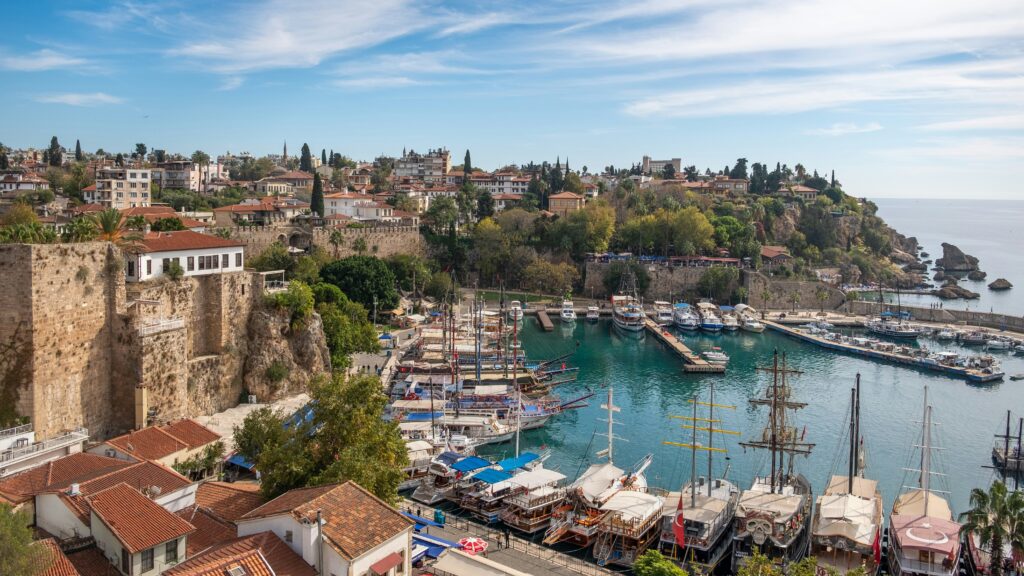
The dispute centres on the COP31, which is due to take place in the Turkish resort of Antalya in November. Well before the conference begins, Ankara has already drawn sharp criticism from the EU over Cyprus’s participation in preparatory meetings.
At a March briefing held at United Nations headquarters in New York, organised by Türkiye’s environment minister Murat Kurum, no seat was allocated to Cyprus. Nicosia lodged a formal protest.
Ankara rejected it outright, insisting it is under no obligation to invite an entity it does not diplomatically recognise. Türkiye reiterated its longstanding position, arguing that “Greek Cyprus” does not represent the entire island.
Brussels responded in blunt terms. The Commission called the move “unacceptable”, stressing that Cyprus is a member state of the UN and a signatory to both the UN Framework Convention on Climate Change (UNFCCC) and the Paris Agreement.
“We are in contact with the authorities of Türkiye. We have made it clear that the exclusion of a UN member state from the preparation process of the UN COP31 climate conference is not acceptable,” said Commission’s spokesperson Anna-Kaisa Itkonen.
According to her, Ankara has since given assurances that Cyprus will not be excluded from future preparatory sessions. Brussels is also said to be coordinating the matter with the UN and with Australia, which will run the climate talks during COP31.
A dispute that reaches back decades
The spat has once again brought into focus one of the most intractable geopolitical disputes in the eastern Mediterranean. Türkiye does not recognise the Republic of Cyprus — a member of the EU — referring instead to the “Greek Cypriot administration”. In contrast, Ankara is the only country that recognises the self-declared Turkish Republic of Northern Cyprus in the island’s north.
The island has been divided since 1974, following a coup backed by Greece’s then military junta and subsequent violence against Turkish-speaking communities. Türkiye intervened militarily shortly afterwards.
Today, the Republic of Cyprus governs the south, while the north is administered by Turkish Cypriots with support from Ankara. A UN peacekeeping force has remained on the island ever since. The Cypriot capital Nicosia — called Lefkosia by Greeks and Lefkoşa by Turks — remains the last divided capital in Europe.
A candidate forever?
The tensions also feed into the wider, and increasingly strained, relationship between the EU and Türkiye, a long-standing accession candidate. The accession talks, launched in 2005, have been effectively frozen since 2018. The Cyprus issue remaining one of the principal stumbling blocks.
Ankara has long argued that the EU abandoned neutrality by admitting Cyprus in 2004 despite the island’s unresolved division.
Climate in the shadow of geopolitics
The COP31 preparations underline a familiar reality: even global climate diplomacy is rarely insulated from entrenched geopolitical fault lines. For the EU, the issue is particularly sensitive given that Cyprus currently holds the rotating presidency of the Council.
By the time COP31 convenes, Ireland will have assumed the presidency — meaning that the immediate institutional friction may partly resolve itself even if the underlying dispute endures.