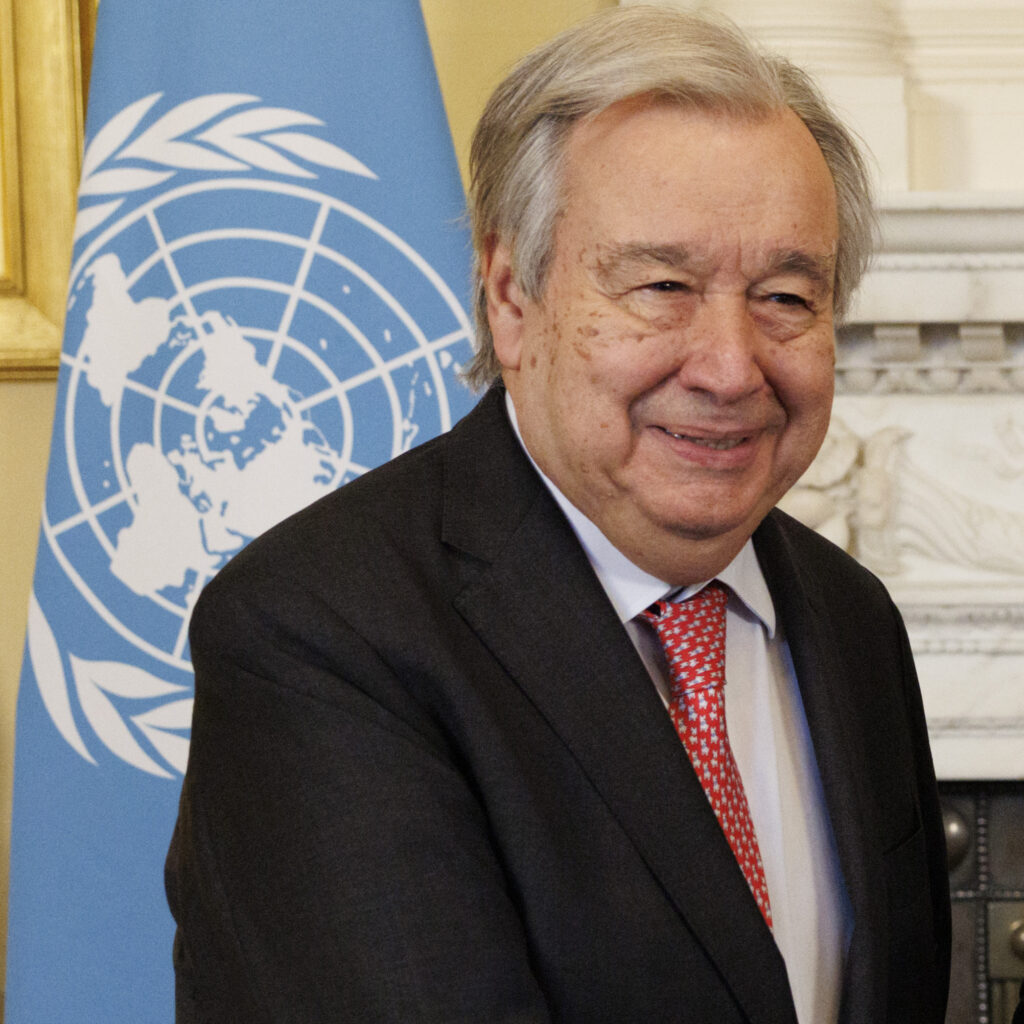
AI data centres will consume twice as much electricity by 2030 as they do today. UN Secretary-General António Guterres has called on major tech companies to stop hiding the true environmental cost of their systems. The bill, he warned, is being paid by those who can least afford it.
Speaking at London Climate Action Week, Mr Guterres urged AI companies to take responsibility for the environmental costs of their data centres. Europe is currently in the grip of an intense heatwave linked to climate change. It was a backdrop that sharpened the urgency of his message.
According to Mr Guterres, the infrastructure powering the AI revolution comes with significant environmental costs. “If AI is to help build a better future it must be honest about what it costs us now,” he said. “As demand for energy continues to rise, we must confront one of its fastest growing sources: AI data centres,” he added.
“AI is also hungry for land, water and power. The data centres behind it already consume more electricity than most nations,” the UN chief warned. A recent UN study found that by 2030, data centres could consume nearly triple the combined annual electricity use of Pakistan, Bangladesh and Nigeria. The three countries are home to more than 650 million people.
To address those concerns, Mr Guterres proposed a new “AI Environmental Transparency Initiative”. He called on AI developers to publicly disclose the carbon, water, and land footprint of their systems. “I am calling on every major AI company to measure and publicly disclose the full environmental impact of its systems – carbon, water, and land footprints – and to commit to power every data centre with renewable energy by 2030,” he said. “No more hidden costs. No more shifting the burden onto those least able to bear it. It is time to come clean.”
Doubling demand
His intervention comes as governments around the world grapple with the energy implications of AI. The International Energy Agency estimated that electricity demand from data centres could more than double by the end of the decade. Increasingly powerful AI models are largely driving that rise.
Data centres in the EU currently account for approximately 2.5 per cent of electricity consumption. Demand is set to more than double from around 12 gigawatts in 2025 to 28 gigawatts by 2030.
AI is also hungry for land, water and power. The data centres behind it already consume more electricity than most nations. — António Guterres, Secretary-General of the United Nations
In Brussels, Energy Commissioner Dan Jørgensen said earlier that the tension is real. “We will need and welcome data centres to power Europe’s digital economy, but we must recognise that they also absorb increasing shares of our energy at a moment when we need to electrify our entire economy,” he said.
Balancing act
EU policymakers, however, are viewing AI not only as a source of additional electricity demand. They also view it as a tool to make energy systems more efficient. In its Strategic Roadmap for Digitalisation and AI in the Energy Sector, the European Commission outlined plans to accelerate the deployment of artificial intelligence across Europe’s energy system. The strategy aims to use AI to improve electricity grid management and help reduce costs for consumers.
According to the Commission, digital technologies could help unlock greater flexibility in the energy system at a time when Europe is rapidly expanding renewable power generation. AI-driven forecasting tools can better predict solar and wind output. Smart grids can automatically balance supply and demand, reducing waste and lowering system costs.
Commissioner Jørgensen argued that the EU must simultaneously expand its digital infrastructure and keep rising electricity demand from data centres in check. Climate goals and energy security must not be put at risk. That balancing act was also central to Mr Guterres’ speech in London.
“Artificial intelligence can accelerate climate solutions. It can help cure disease, transform education, and enable humanity to tackle challenges once thought beyond our reach,” Mr Guterres said. “We must harness that potential.”