Sable fur has quietly disappeared from the EU’s sanctions list, allowing one of Russia’s most exclusive luxury exports back onto the European market. Animal welfare campaigners say the move not only weakens pressure on Moscow but also undermines the bloc’s wider ambitions to phase out the fur trade.
The change was approved by the Council as part of the EU’s 21st package of sanctions against Russia, which excludes sable pelts from the list of banned imports. Humane World for Animals has condemned the decision as an “indefensible concession” to the fur industry, arguing that it reopens a loophole for luxury fur manufacturing inside Europe while the EU continues to sanction Moscow over its war in Ukraine.
Media reports have linked the change to lobbying by Italy and Greece, the EU’s largest importers of Russian sable pelts. They also suggested the exemption was justified by Russia’s dominance of the global sable trade, leaving European manufacturers with few alternative suppliers. Asked about the change, the European Commission spokesperson did not provide an explanation.
“A frivolous status symbol”
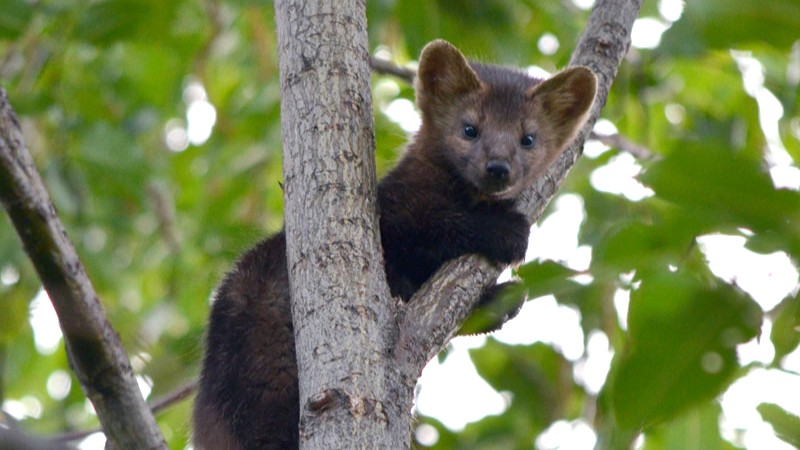
Sable fur‚ obtained from the small carnivorous mammal Martes zibellina‚ is amongst the most expensive of furs. Coats made from Russian sable can sell for tens or even hundreds of thousands of euros.
Humane World for Animals argues that sable fur cannot be considered as a necessary civilian good deserving a sanctions exemption. “It is not an essential need, it is a frivolous status symbol produced through cruelty to animals and sold to serve an industry whose business model belongs firmly in the past. Yielding to the fur industry lobby in this way exposes a deeply troubling double standard,” said Joanna Swabe‚ senior director public affairs for the organisation․
She argued that exempting EU economic sanctions for food‚ medicines and humanitarian goods for civilian infrastructure is more important than exempting fashion items․ At a time when Russia continues to wage war against Ukraine‚ she added, reopening the door to one of Russia’s most exclusive luxury exports is “outrageous”.
A loophole in sanctions?
Fur clothing and finished fur products have been banned from entering the EU and being exported to Russia under 2022 sanctions‚ as well as other luxury items like diamonds and caviar. The restrictions were criticised from the outset by Greece’s fur industry, particularly in the traditional fur-making centres of Kastoria and Siatista, where businesses warned it would destroy one of the last remaining clusters of fur production in Europe․
The EU cannot credibly maintain sanctions on Russian luxury goods while carving out exemptions for the raw materials that allow luxury fur manufacturing to continue inside Europe. — Joanna Swabe‚ Humane World for Animals
The latest sanctions package, however, removes Russian sable pelts from the list of banned imports, prompting criticism from Humane World for Animals. The organisation argues that the change creates a loophole by allowing European companies to continue profiting from Russian fur. “The EU cannot credibly maintain sanctions on Russian luxury goods while carving out exemptions for the raw materials that allow luxury fur manufacturing to continue inside Europe,” Ms Swabe said.
She also pointed to the financial support provided to Greece’s fur industry after the loss of the Russian market, saying the government had already paid €3.5 million in compensation to domestic fur manufacturers and wholesalers affected by the sanctions.
Fur debate returns to Brussels
The sanctions exemption comes as the EU is still deciding how far it wants to go on fur farming.
More than 1.5 million citizens signed the Fur Free Europe European Citizens’ Initiative, which calls for an EU wide ban on fur farming and a ban on fur imports and sales.
The Commission’s response to the initiative was already five months overdue. According to a draft proposal leaked to the media earlier this year, the EU executives were planning to tighten up animal welfare provisions but not impose production and import bans․
Humane World for Animals says this would be the wrong direction․ The organisation argues that Brussels should be closing loopholes which create demand for fur‚ not opening new ones․
Industry in decline
Fur farming has been banned in 24 European countries‚ including 18 EU member states. Despite this‚ the animal welfare organisation claims that over six million mink‚ foxes‚ raccoon dogs and other animals are still kept on almost 1200 fur farms in the EU. According to its figures, the number of animals killed for fur had dropped by 86 per cent over the previous decade, to 6․3 million in 2024. The value of the fur pelt sold dropped 92 per cent to an estimated €183 million․
As phase-out periods continue to run their course through 2028‚ further production declines of 15 to 20 percent are expected. The fashion industry too has banned fur‚ and designers like Gucci‚ Prada‚ Armani‚ Versace‚ Burberry‚ Chanel‚ Valentino and Saint Laurent no longer use it in their collections. Major fashion weeks, such as in Copenhagen‚ London and New York, have also moved away from fur․
Humane World for Animals is now urging EU member states to contest the exemption and calling on the Commission to put Russian sable pelts back on the sanctions list. On one side is the luxury fur industry‚ and on the other the proposed sanctions for limiting revenue to Russia‚ a citizens’ initiative for a fur free Europe‚ and a growing demand for animal welfare standards․