Two senior figures at the world’s only permanent war crimes court can no longer touch any money or property under US jurisdiction, and are barred from entering the country. Presidents Ursula von der Leyen of the European Commission and António Costa of the European Council protested the move.
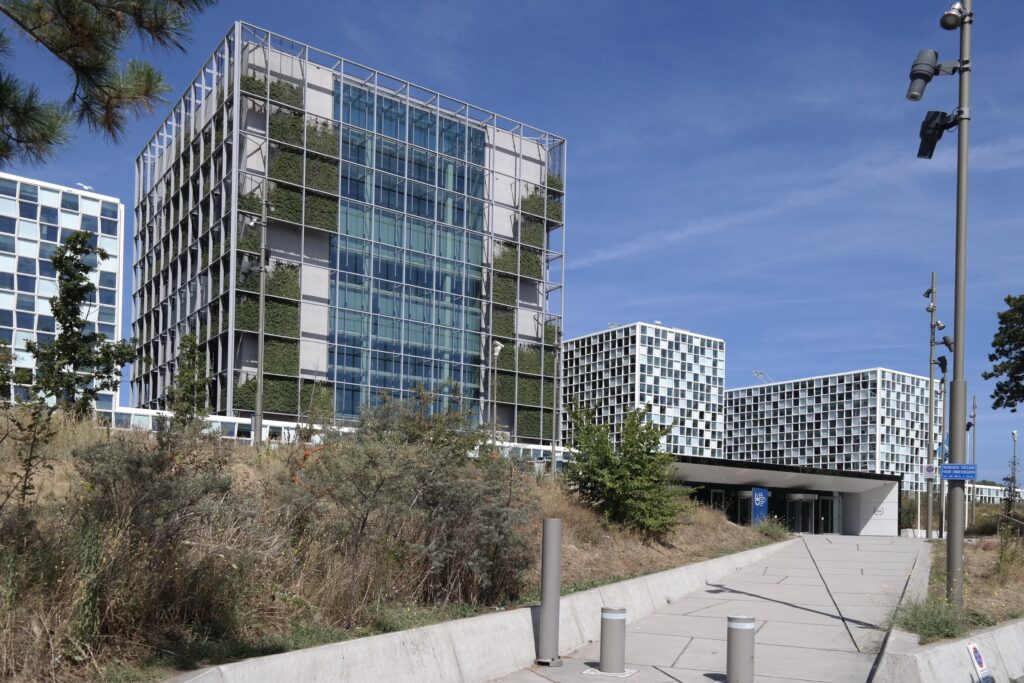
Washington calls it a warning to a rogue tribunal. Victims in Gaza, Sudan and Ukraine call it one more door closing. US Secretary of State Marco Rubio signed off on new sanctions against two officials at the International Criminal Court (ICC) on 18 August: its president, Judge Tomoko Akane of Japan, and senior trial lawyer Abdoulaye Seye of Senegal. Both now may no longer enter the US, and any assets they hold there are subject to a freeze. Mr Rubio called the ICC “corrupt” and accused both officials of chasing people whose governments never agreed to face the court.
The court hit back within a day. It said nine of its 18 judges, both deputy prosecutors, a former chief prosecutor and one staff member now carry the same label. That brings to 13 the number of ICC officials under US sanctions, up from 11 before this week.
A campaign that keeps growing
The sanctions did not start this week. In February 2025, President Donald Trump declared a national emergency and ordered sanctions against the ICC, accusing it of chasing American and Israeli citizens without any right to do so. The order first hit then chief prosecutor Karim Khan. Mr Rubio expanded the list again in June, August and December 2025, and now once more.
Neither the United States nor Israel signed the Rome Statute, the treaty that created the ICC in 2002. What triggered Washington’s anger was a warrant. In November 2024, the court issued one for Israeli Prime Minister Benjamin Netanyahu over the war in Gaza, and US officials have called that investigation illegitimate ever since.
In July, Mr Rubio laid out the plan in a Wall Street Journal op-ed. “We will dismantle the ICC, brick by brick, if necessary,” he wrote, promising sanctions, travel bans and pressure on allies who keep working with the court.
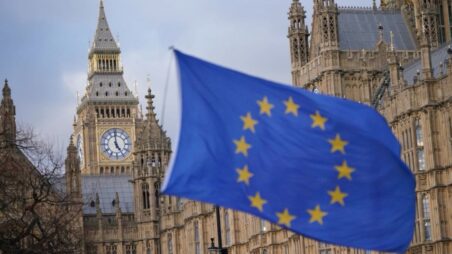
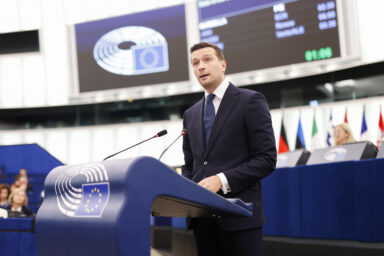
Ursula von der Leyen and António Costa, the presidents of the European Commission and European Council, answered within hours of this week’s sanctions. “We stand firmly with the ICC, President Tomoko Akane and the officials who uphold its mission,” they wrote in a joint post. “The ICC helps deliver justice to the victims of some of the world’s most horrific crimes.” It is not the only international court Brussels has backed this year: in May, the EU joined dozens of countries in setting up a special tribunal for Russia’s aggression against Ukraine, a crime the ICC itself has no full jurisdiction to prosecute.
What it means for those who need it
Lawyers who represent ICC witnesses already know the drill. When Washington sanctioned Mr Khan in 2025, some banks froze accounts belonging to people who had merely worked with him: lawyers, translators, even university professors. Rights groups now expect the same ripple effect around Ms Akane and Mr Seye.
The European Parliament has spent more than a year pushing the Commission to use a tool it already has: the blocking statute, a 1996 regulation that can declare foreign sanctions void inside the EU. Adding the US order to its list would stop European banks from cutting ties with the court and shield anyone in the EU who works with it. Spain and Slovenia have both called for exactly that. The Commission has not moved.
When judicial actors are threatened for applying the law, it is the international legal order itself that is placed at risk. — International Criminal Court, official statement
The ICC put it starkly in its own statement: “When judicial actors are threatened for applying the law, it is the international legal order itself that is placed at risk.” For someone waiting in a camp in Darfur or a bombed street in Gaza, that is not an abstract argument. It is the difference between being heard and being forgotten.