Volkswagen’s plan to cut up to 50,000 jobs is only the sharpest edge of a much bigger scramble: Europe is racing to build its own electric cars before Chinese rivals lock in the market.
EU Perspectives put a set of questions to its reporter Julian Kasapi on why Brussels treats this transition as an industrial survival test, not just a climate policy, and what could go wrong along the way.
The stakes go beyond any single carmaker. China has raced ahead on both electric vehicles and the batteries that power them, while European manufacturers face high costs, weak demand in some markets and huge bills for retooling their factories. Brussels hopes the switch to electric cars can also cut Europe’s reliance on imported oil, but only if the batteries themselves are not simply imported from China instead.
Why is Europe pushing so hard for the transition to electric vehicles right now?
Europe has two major reasons: climate and industrial competitiveness. Road transport is a major source of EU emissions, so electrification is important for meeting climate targets. But there is also an economic race under way. China has moved very quickly on EVs and batteries. Europe needs to make this transition while keeping car production, technology, and jobs in Europe.
How big is the threat from Chinese EV manufacturers to European automakers?
It is significant. Chinese manufacturers have become very competitive on price, battery technology, and increasingly on quality. European manufacturers now face Chinese competition both in Europe and in major export markets. The danger is that if European companies cannot reduce costs and develop competitive EVs quickly enough, they could lose market share in an industry that supports millions of European jobs.
What is the main reason why European car manufacturers are planning mass layoffs?
There is no single reason, but the biggest pressure is structural change. European manufacturers face high production costs, weaker demand in some markets, intense Chinese competition, and huge investment requirements for EVs. Carmakers and software companies are therefore cutting costs as they restructure around electric vehicles. Automation and declining demand for traditional combustion engine components also mean fewer workers may be needed.
How does using electric cars save money for the European economy?
Europe imports huge quantities of oil, so every petrol or diesel car creates continuing demand for imported fossil fuels. Electric cars shift more transport spending towards electricity, which Europe can increasingly produce domestically through renewables, nuclear, and other sources. That can reduce Europe’s fossil fuel import bill and its exposure to global oil price shocks.
Europe would simply replace one strategic dependency with another.
— Julian Kasapi, EU Perspectives reporter
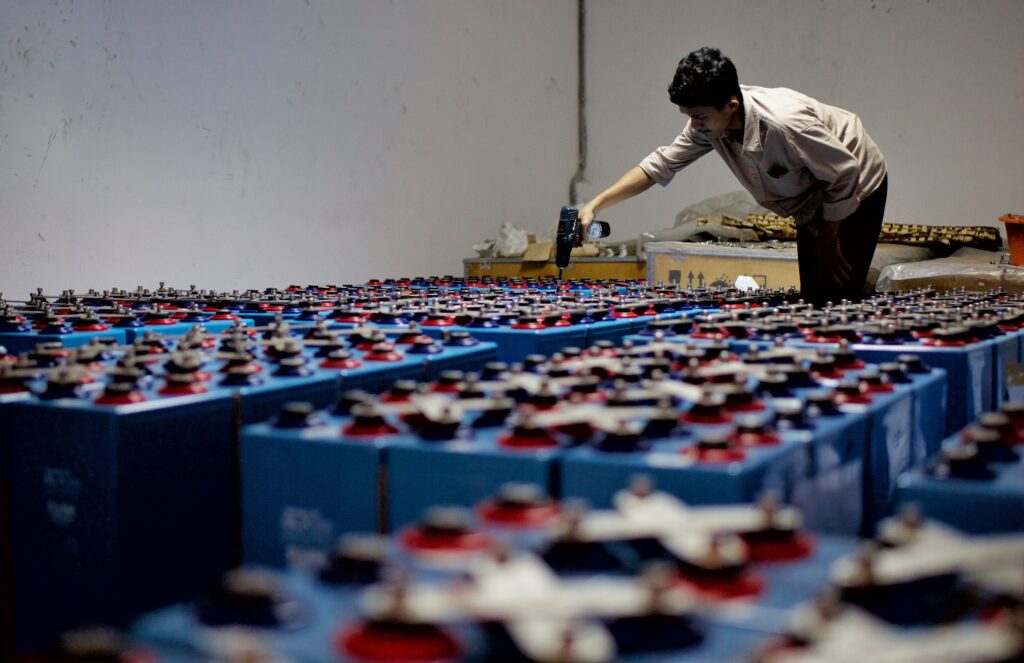
What happens if Europe builds electric cars but relies entirely on imported batteries?
Europe would simply replace one strategic dependency with another. It could reduce its dependence on imported oil, but become heavily dependent on foreign batteries, cells, and critical materials. That is why battery manufacturing, recycling, and access to raw materials are central to Europe’s EV strategy. Building the car in Europe is not enough if its most valuable components come entirely from abroad.