From ketchup sachets to e-commerce boxes, the EU is starting to crack down on packaging waste. The bloc’s new packaging rules begin applying on Wednesday. But the biggest changes are still years away.
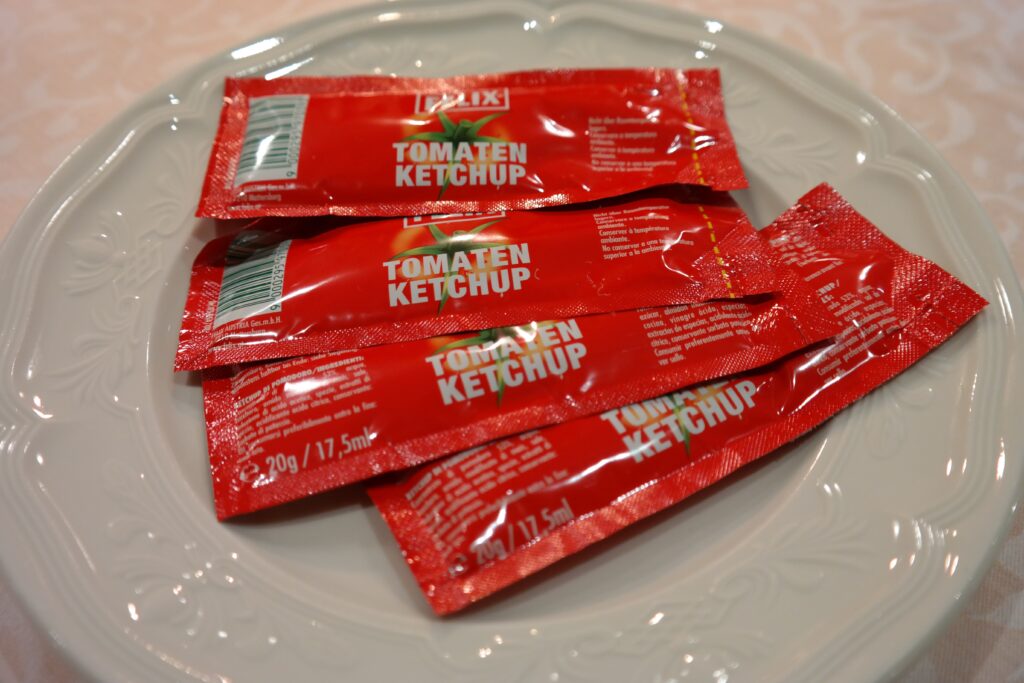
You go to a fast food restaurant. And along with your fries, you get a small sachet of ketchup or mayonnaise. That little packet is about to become a thing of the past; if you eat your meal at the restaurant, anyway.
It is one of the provisions included in the new Packaging and Packaging Waste Regulation (PPWR). But despite the law taking effect on 12 August 2026, don’t expect to see any change at your local bistro just yet.
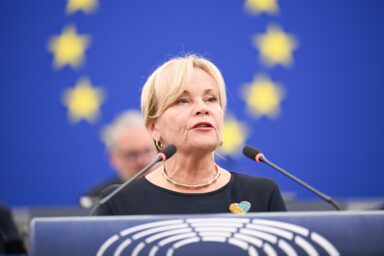
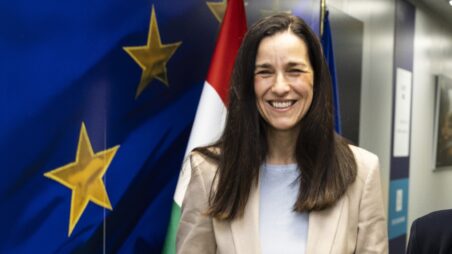
For the first time in an environmental law, the EU is setting targets to reduce packaging, regardless of the material used. — MEP Frédérique Ries (Renew/BEL)
The PPWR covers almost every type of packaging placed on the EU market, from food containers and bottles to delivery boxes and transport packaging. It replaces the EU’s original 1994 Packaging and Packaging Waste Directive and contains directly applicable rules covering the entire life cycle of packaging from its design and composition to reuse, collection and recycling.
Adopted in 2024, the legislation brings changes in phases. The problem is simple: Europe is producing more and more packaging waste. EU packaging waste rose from 66 million tonnes in 2009 to 84 million tonnes in 2021. Without further measures, it was expected to reach 209 kg per person by 2030. The PPWR is designed to reverse that trend. Not just by making packaging easier to recycle, but by reducing how much packaging is produced in the first place.
Why is the EU doing this?
EU member states are required to reduce packaging waste per person by five per cent by 2030, 10% by 2035, and 15% by 2040, compared with 2018 levels. When Parliament approved the legislation in 2024, rapporteur Frédérique Ries (Renew/BEL) said the approach marked a shift in EU environmental policy. “For the first time in an environmental law, the EU is setting targets to reduce packaging, regardless of the material used.” She also called on industry, governments and consumers to help tackle excess packaging.
The date of 12 August is one of application, not a giant packaging deadline. The regulation entered into force in February 2025. From today, the regulation’s general provisions begin to apply, although many of its substantive requirements have later deadlines.
Among the changes taking effect immediately are new restrictions on PFAS, the so-called forever chemicals, in food-contact packaging. Packaging containing PFAS above the thresholds set by the regulation cannot be placed on the EU market.
Shrinking to disappearance
When the law was adopted, the MEP highlighted the ban on PFAS in food packaging as “a great victory for the health of European consumers”. Companies also take on new responsibilities for demonstrating that their packaging complies with the rules, including through technical documentation and conformity assessments. Many of the changes people are likely to notice in shops and restaurants come later.
The PPWR goes after unnecessary packaging as well as waste. From 2030, manufacturers and importers will have to limit the weight and volume of packaging to what is necessary for its function. The regulation also introduces a 50 per cent maximum empty-space ratio for grouped, transport and e-commerce packaging. That could mean less of the familiar oversized box surrounding a much smaller product.
And then there are the outright restrictions. From 1 January 2030, certain single-use plastic packaging formats will be banned. Alongside condiments, the list includes packaging for some fresh fruit and vegetables, food and drinks filled and consumed in cafés and restaurants, miniature toiletry containers in accommodation, and very lightweight plastic carrier bags.
Reuse is coming too
The EU also wants Europeans to get used to reusing packaging rather than throwing it away. From 2027, takeaway businesses will have to allow customers to bring their own containers and have them filled without an additional charge. From 2028, they will also have to offer reusable packaging for takeaway food and drinks.
The bigger targets come in 2030. For example, beverage distributors will have to ensure that 10% of their products are offered in reusable packaging. The target rises to 40% by 2040. There are separate reuse targets for transport, sales and grouped packaging.
Recycling is another major part of the overhaul. The EU wants all packaging on the market to be recyclable in an economically viable way by 2030, setting the bloc up for a challenge.
Proof of recyclability
The regulation is moving beyond the relatively loose idea that something is “recyclable”. It introduces EU-wide criteria for design for recycling, with packaging assessed according to recyclability performance grades.
Those detailed requirements will be phased in from 2030. From 2035, packaging will also have to meet requirements linked to being recycled at scale. That also means that the infrastructure to collect, sort and recycle it must actually exist. From 2038, only packaging achieving the higher recyclability grades will generally be allowed on the market.
Smaller businesses in particular are struggling with the regulation’s complex requirements and the absence of key secondary legislation, resulting in high compliance costs and legal uncertainty. — Eurochambres
Plastic packaging will face another requirement: recycled content. From 2030, different types of plastic packaging will have to contain minimum amounts of recycled material. The target is 30 per cent for single-use plastic beverage bottles, for example. Other categories face targets ranging from 10 to 35 per cent. By 2040, those targets rise further.
Businesses want more time
While environmental groups have pushed for stronger rules, some businesses now say the EU is moving too quickly. In a 22 July letter to Commission Executive Vice-President Teresa Ribera, Eurochambres called for the PPWR’s application to be postponed by at least two years.
The association said smaller companies in particular are struggling with the regulation’s complexity and high compliance costs. It also points to the fact that some of the legislation needed to make the rules fully operational is still missing.
“The absence of key delegated and implementing acts represents a major implementation challenge,” Eurochambres wrote, warning that companies are being asked to meet core obligations while “The technical architecture for demonstrating compliance remains incomplete.” Therefore, Eurochambres asked the Commission to postpone the legislation at least by two years.
Despite this being unlikely, the biggest changes for consumers are still some way off. By the end of the decade, however, packaging accross the EU will look different: less of it, more of it reusable, and much more of it designed to be recycled.