EU governments want to make it easier to invest public money in modernising their fishing fleets. But the European Commission insists that support for new vessels not lead to more fishing.
Fisheries ministers in the Council have reached a partial agreement on the future EU framework for supporting fisheries and aquaculture as well as maritime policies between 2028-2034. The Tuesday deal could give the fishing sector more opportunities to modernise its fleet and invest in cleaner vessels.
However, Fisheries Commissioner Costas Kadis said the safeguards still need work.
“While the Commission acknowledges the need for fleet modernisation, it is important to ensure that funding for new vessels does not lead to overfishing,” Mr Kadis told reporters after the Agri-Fish Council.
Fleet needs investment
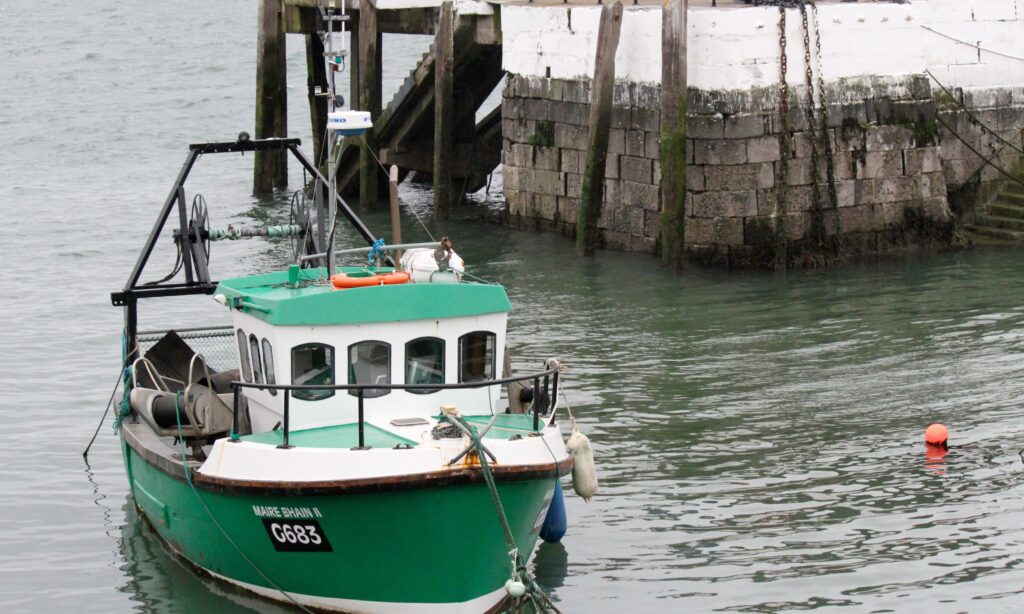
Fishing communities have long faced a difficult balance. Older vessels need investment, while EU rules seek to prevent subsidies from encouraging fleets to catch more fish than stocks can sustain. The Irish Presidency argues that Europe can address both problems.
Ministers spent months negotiating the Council position. Governments continued changing the text in the final days to secure a compromise, said Martin Heydon, Ireland’s agriculture, food and marine minister.
We need to give our fishermen and women the tools to modernise and adapt to the challenges ahead, including in the area of energy transition. — Martin Heydon, Ireland’s agriculture, food and marine minister
The agreement did not end all debates. Kadis said the Council had significantly improved its proposal during negotiations. Yet the Commission still wants clearer conditions attached to public support for fleet renewal.
The Commission’s Legal Service will now examine the Council text. The Commission will then set out its detailed position during the next stage of negotiations. One issue will be compliance with international subsidy rules.
Stronger safeguards
The World Trade Organization Agreement on Fisheries Subsidies entered into force on 15 September 2025. The agreement places restrictions on harmful fisheries subsidies, and the Commission says the EU must ensure its funding rules respect those commitments.
At the same time, the EU faces pressure beyond its own waters. It has yet to reach a deal with Mauritania on renewing their fisheries arrangement. Mr Kadis called this a “top priority” for parts of the European fleet. Letters exchanged between the two sides have failed to resolve the outstanding issues, and the commissoner has requested a video call with his Mauritanian counterpart to seek a compromise.
We would prefer more clear wording on the sustainability requirements or prerequisites for fleet renewal. — Costas Kadis, European commissioner for fisheries and oceans
Together, these talks highlight the difficult balance facing EU fisheries policy. Governments want to help fishers invest in newer, cleaner vessels, while the Commission wants stronger safeguards for fish stocks and compliance with international subsidy rules. The coming negotiations will decide how far public funding can support fleet renewal without increasing pressure on the seas.