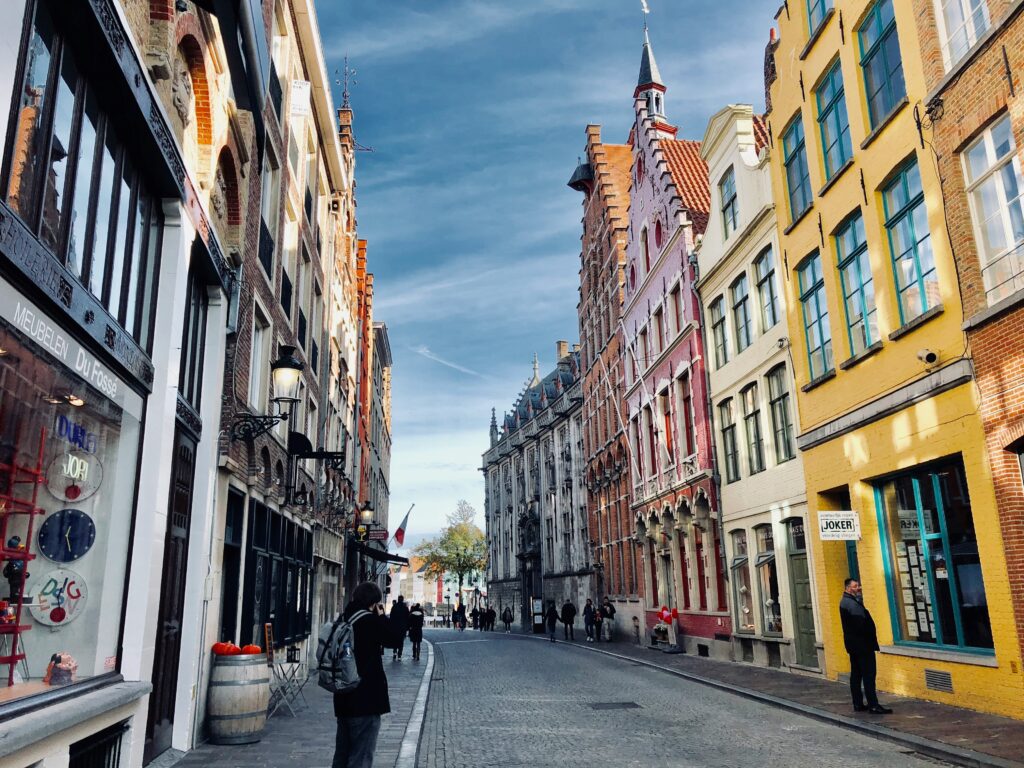
Homes for locals, not tourists? EU opens door to housing restrictionsMore than half of Europeans living in cities consider affordable housing an urgent problem. Brussels is offering a possible solution: allowing cities to restrict holiday rentals, empty homes and second residences where locals can no longer afford to live. But only with enough proof.
“Over the past ten years, rents have gone up by 59 per cent in Berlin, by 75 per cent in Madrid and by 103 per cent in Lisbon,” Housing Commissioner Dan Jørgensen said as the Commission presented its Affordable Housing Act on Wednesday.
The increases have made it difficult for people to live near their workplaces and universities. “Essential workers and students cannot afford to live where they serve and study,” Commission President Ursula von der Leyen said. High prices can also delay young people leaving their parents’ homes or starting families.
The proposal would give authorities a clearer legal route to protect housing for permanent residents without breaching EU single-market rules. It would not impose restrictions itself. Cities and governments would decide whether local pressure justified action against short-term rentals, prolonged vacancies or second homes.
Cities must prove rentals cause harm
Activity across the four largest short-term rental platforms grew by 93 per cent between 2018 and 2024. In central Madrid, there are approximately 40 holiday rentals for every 100 homes on the long-term rental market. More than 19 per cent of homes in Zagreb are unoccupied.
Before taking action, authorities would have to designate an “area under housing stress”. They would compare local prices with incomes and examine housing supply, demand and population changes. The Commission would not decide which neighbourhoods qualified.
Restrictions on short-term rentals would require evidence that they had significantly damaged affordability or availability for at least three years. Authorities would also have to show that less restrictive measures could not solve the problem. The rules would focus on frequent or commercial rentals that remove homes from long-term use.
Any measures would have to remain targeted and proportionate. Restrictions could initially last for no more than five years and would require regular reviews. Conditions affecting property purchases could not apply retrospectively, while owners would retain the right to leave homes empty for legitimate reasons.
Restrictions cannot build missing homes
“Short-term rentals as a fundamental idea are a good one,” Mr Jørgensen said, noting that they allow people to travel and provide income for homeowners. However, he argued that their concentration in some areas had crowded residents out and driven prices to unacceptable levels.
The proposal responds to repeated legal disputes over attempts to regulate holiday accommodation and property use. Housing remains a national and local responsibility, but restrictions can affect EU rules on services, investment and the free movement of capital. The act would clarify when courts should consider such measures justified.
Essential workers and students cannot afford to live where they serve and study. — Ursula von der Leyen, President of the European Commission
Brussels also acknowledges that controlling existing homes cannot replace construction. An accompanying recommendation calls for housing acceleration plans to release land, shorten planning procedures and convert empty or underused buildings. Authorities would receive encouragement to use available funding for social, affordable and student housing.
The centre-right European People’s Party argued that restrictions focused on the wrong problem. “Europe faces a deficit of 9.6 million homes, while the Commission calls for 2 million homes to be built every year by 2035,” it said. “The real challenge, therefore, is to build and rehabilitate more homes.” The group called for faster permits, less bureaucracy and greater public and private investment.
“A home and a house should not primarily be a commodity on the market,” Mr Jørgensen said. “To have a home is a human right.” The European Parliament and EU governments must now negotiate the proposal. Even if they approve it, lower prices will depend on whether cities use the framework effectively and succeed in creating more homes.