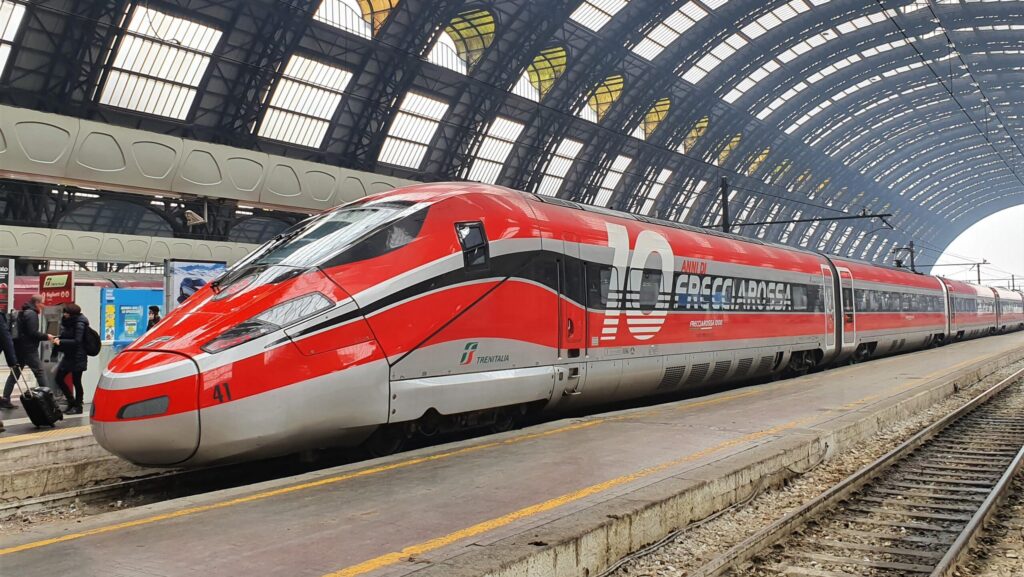
More European cities could be linked by one high-speed rail network instead of a patchwork of national lines in less than 15 years. Lawmakers have backed faster development of the network, calling for better cross-border connections, cheaper fares and greater EU support.
The European Parliament’s Transport and Tourism Committee approved its recommendations with 34 votes in favour. The plan aims to move beyond separate national high-speed lines and create a network that works across borders.
MEPs want it to connect more European cities while linking smoothly with regional and local transport. They are also calling for dedicated funding in the EU’s next long term budget, covering 2028 to 2034.
From national lines to a European network
At the heart of the proposals is what lawmakers call a “network-first” approach. In contrast to developing high-speed rail lines individually as national projects, MEPs advocate that member states should develop them considering how they fit into the wider European transport system.
High-speed stations should connect effectively with regional rail, local public transport and major transport hubs. Lawmakers also want better links with walking and cycling networks. The ambition extends beyond connecting EU capitals. Major cities across all European regions should have either direct high-speed services or easy connections to the network, according to the committee.
While the committee calls for links to neighboring countries it does not identify those countries. The EP members believe that the expansion of the high-speed rail network will contribute significantly to improving accessibility to underdeveloped and peripheral regions of the EU and reducing existing gaps in connectivity.
Missing cross border links in focus
Lawmakers also want faster progress on completing the Trans European Transport Network, or TEN-T, the EU system of major transport routes. That includes identifying missing cross border links as well as abandoned or underutilised segments where new investments may increase connectivity. The proposals build on the European Commission High-Speed Rail Action Plan, adopted in November 2025. It sets out measures to create a faster, more interoperable and better connected European rail network by 2040.
As reported by parliament, the EU has provided considerable financial backing for rail. Over €100 billion has been accorded for rail infrastructure projects through EU programs since 2014. However, that total amount was based on all types of rail infrastructure and not just high-speed rail.
Cheaper tickets and easier booking
Passengers face two obstacles when traveling by train in Europe. Cost and complexity. The committee is encouraging governments and rail operators to make high-speed tickets more affordable through accessible fares, discounts and subscription schemes. MEPs also advocate for greater transparency regarding pricing and a single ticketing system across countries and operators.
The proposals reference current EU efforts to establish the Passenger Package which seeks to assist in developing a single ticketing system that is more transparent and interoperable.
The recommendations made by the committee do not obligate EU member states to develop new high-speed rail lines nor oblige rail operators to decrease prices. The pressure however creates additional momentum to support the EU’s goal of having a high-speed rail network in operation by 2040.
The resolution still require approval by the European Parliament, the vote is anticipated during the second October plenary.