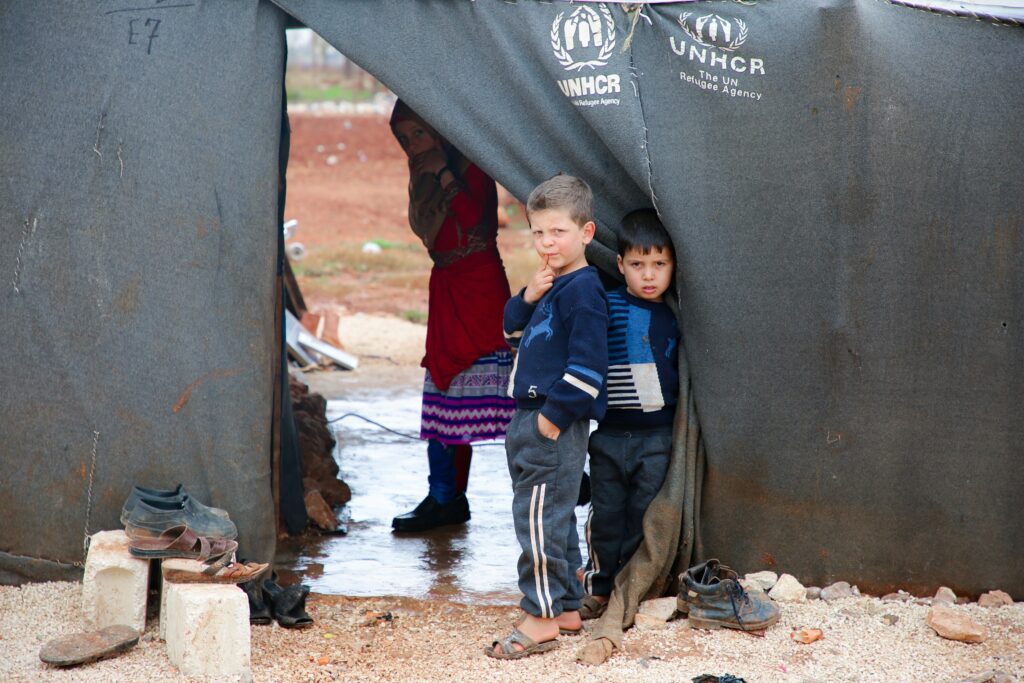
More than 1,000 aid workers have been killed in five years. Governments have meanwhile slashed the funding that keeps their patients and communities alive. During talks in Dublin on Friday, European donors began pushing back with plans to restore funding, while Ireland demanded accountability for attacks on those delivering help.
Neale Richmond, Ireland’s minister for international development, said several governments were increasing funding or halting reductions. “We’re sick of the cuts that are being championed by a negative spirit that has infected politics in the global North and the Western world,” he said after the meeting.
The two-day talks at Dublin Castle brought together EU ministers, the Commission and representatives from Britain, Canada, Norway, Iceland and the UN. According to Richmond, participants represented close to 80% of global development funding. They discussed how to restore support and deliver aid more efficiently, but announced no joint funding package.
Some donors begin to reverse the retreat
Richmond said Portuguese and Dutch representatives had indicated plans to increase spending after previous reductions. Luxembourg had also agreed an increase, Norway was adding €100 million and Austria had stabilised its budget, he said. He presented these national decisions and intentions as the first concrete response to the crisis.
Ireland’s own budget announcement this week added €14 million, bringing the foreign affairs department’s development aid allocation to €855 million for 2027. “That’s not words, that’s putting money where your mouth is,” Richmond said. The increases mark resistance to the cutting trend, although their combined scale remains unclear.
The retreat has been substantial. OECD preliminary figures show aid from its main donor group fell by 23.1% in real terms in 2025, the largest annual decline on record. US assistance dropped by 56.9%, but all five largest donors reduced spending. Richmond warned that cutting aid had become politically acceptable well beyond Washington.
Our international partnerships are an investment in Europe’s own prosperity, resilience and security.
— Jozef Síkela, International Partnerships Commissioner
Britain’s participation also marked a change: it was the first time since Brexit that a UK minister had joined this meeting format. In a speech delivered in Dublin on Thursday, development minister Kirsty McNeill said London had restarted formal development discussions with the Commission. “We want to build on the discussions today and do so quickly,” she said.
More investment, less money lost to duplication
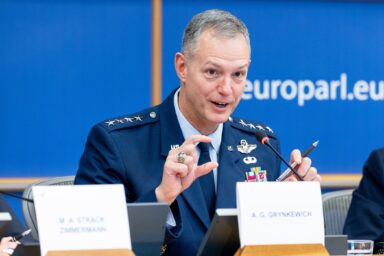
International Partnerships Commissioner Jozef Síkela argued that governments could not replace the missing funding through public spending alone. He called for public money to help attract private investment into partner countries. Such projects, he said, should create jobs and improve infrastructure while giving European businesses new markets and more secure supplies. “Our international partnerships are an investment in Europe’s own prosperity, resilience and security.”
Crisis Management Commissioner Hadja Lahbib described the immediate pressure on emergency assistance: some 240 million people depended on humanitarian aid to stay alive, she said. Her proposed response includes joint purchasing, shared warehouses and shared transport. Logistics account for between 60% and 80% of humanitarian spending, she told journalists. “We need more cooperation, less duplication.”
We need more cooperation, less duplication.
— Hadja Lahbib, Crisis Management Commissioner
That approach builds on the humanitarian reforms the Commission presented in May. Friday’s discussion focused on getting donors and organisations to work together on delivery. Lahbib also said the Commission and World Economic Forum would soon launch InvestFrontier, an initiative connecting businesses, philanthropies and development banks with organisations working in fragile countries.
Protecting the people delivering assistance is another immediate test. Ireland and the Commission will co-chair a conference on aid-worker protection next week, with Richmond demanding accountability for attacks. He said ministers should not arrive at their next formal meeting in December simply to repeat their statements. The national funding increases offer a start; the remaining task is to turn those commitments and shared resources into food, treatment and safer access for the people who need them.