Home renovation funds, roads and regional aid have quietly picked up a new job: paying for tanks and radars. EU governments now want that shift to stay permanent past 2027, after almost €12bn already moved from cohesion budgets into defence.
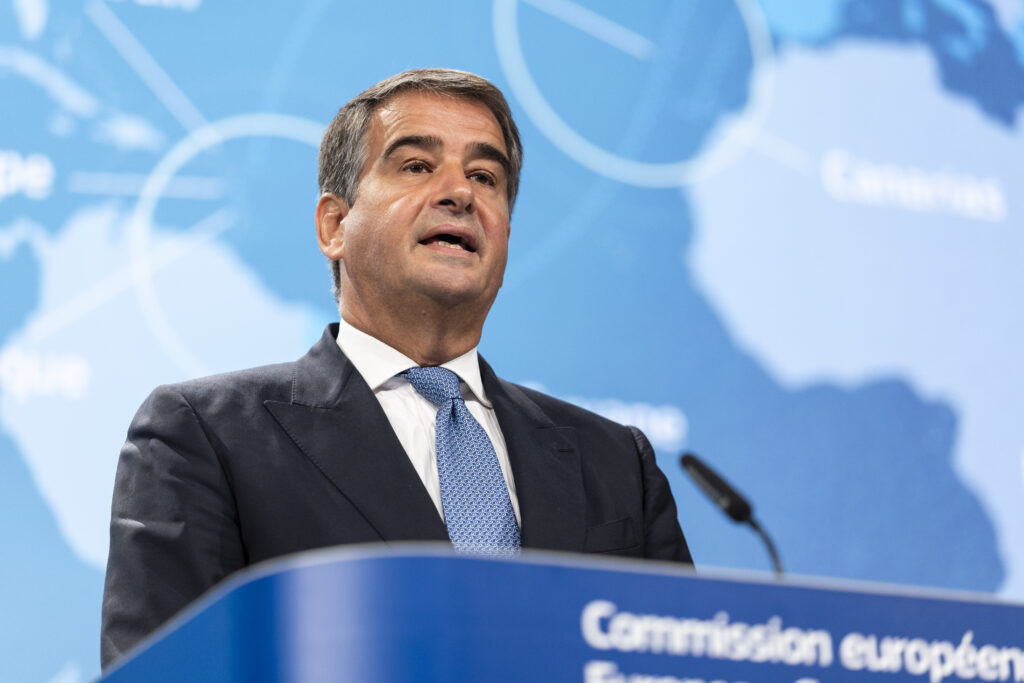
“It is very important to put cohesion and defence together,” European Commission Executive Vice-President Raffaele Fitto said after Tuesday’s informal meeting of cohesion ministers in Dublin.
Irish Minister for Public Expenditure Jack Chambers said there was broad support for keeping the “flexibility and discretion” introduced during the current funding period. Ministers want the same freedom once the EU starts negotiating its next long-term budget.
€12bn already moved towards security
Member states and regions have reallocated €34.6bn from cohesion programmes to newer priorities. Roughly €15.2bn went towards competitiveness and €11.9bn towards defence, security and civil preparedness. Smaller amounts supported housing, water resilience and energy security.
The defence allocation can finance military mobility, dual-use infrastructure and companies developing technology with both civilian and military applications. Participation remains voluntary, allowing governments and regions to decide whether to redirect their money.
It is very important to put cohesion and defence together.
— Raffaele Fitto, European Commission Executive Vice-President
Fitto said the approach was particularly relevant to regions bordering Russia, Belarus and Ukraine. “We have not only the problem of defence, but we have a very important situation with, for example, the depopulation phenomenon,” he added.
Cohesion policy traditionally funds transport, employment, education and regional development to reduce inequalities across Europe. It accounts for more than one-third of the current EU budget, worth approximately €392bn. Ministers made clear that defence will remain one of the demands placed on that money after 2027.