A first of its kind cross-border carbon capture project has opened at a fertiliser plant in the Netherlands. Climate Commissioner Wopke Hoekstra said Europe would need “many, many more” such projects as a new UN report concluded that global warming would exceed the Paris Agreement’s 1.5°C limit.
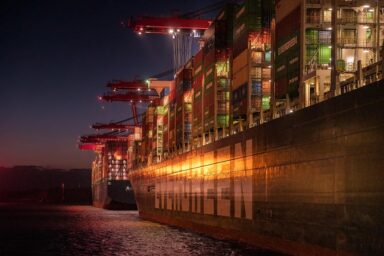
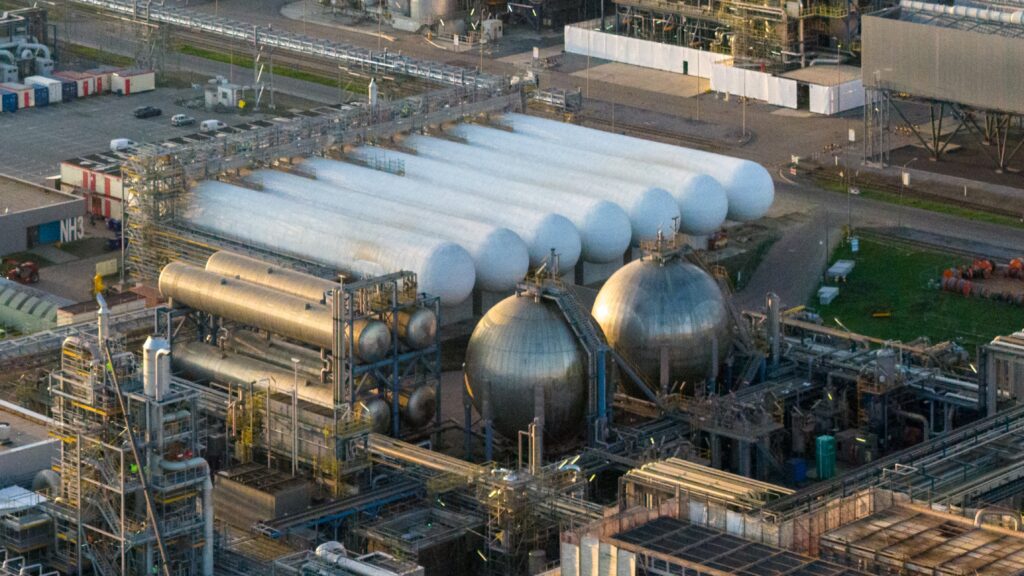
The facility at Yara’s Sluiskil plant will capture and liquefy approximately 800,000 tonnes of carbon dioxide annually. Northern Lights, a Norwegian CO₂ transport and storage project, will move it by ship to Norway, and inject it into a geological reservoir around 2.6 kilometres beneath the seabed.
The companies describe it as the world’s first commercial cross-border carbon-capture and storage chain. The 15-year agreement could store approximately 12 million tonnes of carbon dioxide, according to Yara, the crop-nutrition company.
Frankly speaking, 1.5 degrees is now out of the window. We’re moving to a world of 1.8 degrees. — Wopke Hoekstra, Climate Commissioner
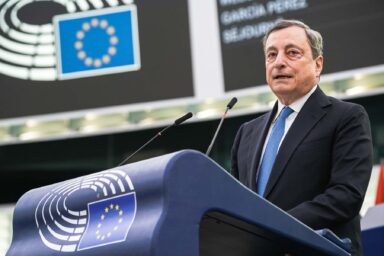
“This is a first, and Europe can and will need many, many more of these,” Mr Hoekstra said at Monday´s inauguration. Referring to the UN findings, he added: “Frankly speaking, 1.5 degrees is now out of the window. We’re moving to a world of 1.8 degrees.”
EU turns to carbon capture
The Paris Agreement aims to keep global warming well below 2°C and pursue efforts to limit it to 1.5°C above pre-industrial levels. However, the recent UN analysis found that the lower threshold would be exceeded. Even its most optimistic scenario expects warming to peak at approximately 1.8°C before potentially declining.
The EU has committed to reducing net greenhouse-gas emissions by at least 55 per cent from 1990 levels by 2030 and reaching climate neutrality by 2050. Its latest national plans were projected to deliver a reduction of approximately 54 per cent, leaving the bloc close to its interim target.
You might be interested

Carbon capture has consequently become a more prominent part of EU climate policy, particularly for industries that cannot easily replace fossil fuels with renewable electricity. Under the Net-Zero Industry Act, the bloc aims to develop at least 50 million tonnes of annual carbon-dioxide injection capacity by 2030.
Europe cannot wait for renewable and other low-carbon energy sources to meet all industrial demand, Mr Hoekstra argued. “That is where carbon capture and storage (CCS) comes in,” he said.
Project connects climate and industrial policy
Fertiliser production is difficult to decarbonise because conventional ammonia relies on natural gas both as an energy source and a raw material. The production of the hydrogen needed for ammonia releases carbon dioxide, allowing some emissions to be captured before they enter the atmosphere. The facility will capture CO₂ equivalent to approximately 0.5 per cent of the Netherlands’ 2022 emissions each year.
Mr Hoekstra placed the project within a wider effort to retain industrial production in Europe while reducing dependence on imported energy and fertilisers. Europe imports more than 80 per cent of its gas and more than 95 per cent of its oil, he said. Its fertiliser supply also remains partly dependent on Russia.
“We need fertilisers to be cheaper. We need them to be cleaner, and clearly we need them to be more European,” he said. Carbon capture could help reduce emissions from fertiliser, cement, steel and chemical production without pushing those industries out of the bloc, he argued.
Costs and limitations remain
The facility captures carbon dioxide during ammonia production before it enters the atmosphere. It therefore reduces new emissions rather than removing carbon already present in the air. Under EU carbon-storage rules, storage sites require permits, monitoring and an assessment showing no significant risk of leakage or harm to health and the environment.
We need fertilisers to be cheaper. We need them to be cleaner, and clearly we need them to be more European. — Wopke Hoekstra, Climate Commissioner
The economics also depend on public policy. Norway provided substantial public support during Northern Lights’ first phase. Prime Minister Jonas Gahr Støre said the project could not have proceeded without it. Mr Hoekstra argued that predictable carbon prices under the EU Emissions Trading System were similarly important for companies considering long-term investments.
Sluiskil’s planned annual capture represents 1.6 per cent of the EU’s target of creating capacity to inject at least 50 million tonnes of carbon dioxide annually by 2030. The project demonstrates how one country can capture emissions and transport them for permanent storage in another. Its wider contribution will depend on whether other industrial sites can secure sufficient transport infrastructure, permitted storage capacity and financing.