Europe plans to expand its icebreaker capacity, strengthen satellite surveillance and protect undersea cables as Russia and China increase their presence in the Arctic. A strategy adopted on Tuesday puts security at the centre of the EU’s response to a region where melting ice is opening new routes and intensifying competition.
“In the Arctic, icebreakers are the measure of power,” EU foreign policy chief Kaja Kallas said, announcing plans to explore joint procurement and shared use of vessels. The EU also wants to improve Arctic ports, airports and transport corridors to speed up the movement of military personnel and equipment.
Commission President Ursula von der Leyen described the shift as a response to threats reaching directly into Europe’s northern neighbourhood. “It’s not someone else’s frontier,” she said. Russia’s expanding military presence and hybrid activities affect the EU as a whole, she argued.
Monitoring suspicious ships and protecting cables
Ms Kallas said Russia had reopened Soviet-era bases and was testing new weapons in the region. Drone incursions, GPS jamming and sabotage of undersea infrastructure add to the risks, alongside increased traffic from Russia’s shadow fleet. Chinese investment in ports, minerals and critical infrastructure also required scrutiny, she said.
“The Arctic has become the frontline of global power competition,” Ms Kallas said. The strategy proposes stronger monitoring through the EU’s Copernicus and Galileo satellite systems. An Arctic cable hub could help monitor, protect and repair subsea infrastructure, potentially evolving into a broader maritime security hub tracking suspicious vessels, illegal fishing and pollution.
In the Arctic, icebreakers are the measure of power.
— Kaja Kallas, EU foreign policy chief
Ms Kallas also cited €260 million in European Defence Fund investment in technologies including aircraft suited to severe environments, extreme-weather textiles and sensors capable of detecting threats beyond the horizon. She said the EU’s work would complement NATO’s collective-defence role and respect the sovereignty of Arctic countries.
The plans establish a direction rather than announce a completed expansion of Europe’s fleet. Joint icebreaker procurement remains something to explore. The practical challenge will be translating the strategy into vessels, infrastructure and monitoring capabilities that operate in demanding conditions.
Economic opportunities and environmental tensions
International Partnerships Commissioner Jozef Síkela said infrastructure should serve both civilian and security needs. Better transport links between Finland, Sweden and Norway would help communities and businesses while at the same time improving military mobility. The EU also plans to support a secure cable linking Greenland directly to Europe, with a longer-term ambition for a pan-Arctic connection potentially extending towards Asia. “A key principle of our approach is to invest in dual-use and multi-purpose assets,” he said.
Ms Kallas highlighted €200 million in investment for Greenland, covering energy, raw materials and infrastructure. The package was announced in September for investment in 2026 and 2027. Mr Síkela also announced an EU Polar Research Hub, expanded educational opportunities and a youth advisory body attached to the EU office in Nuuk.
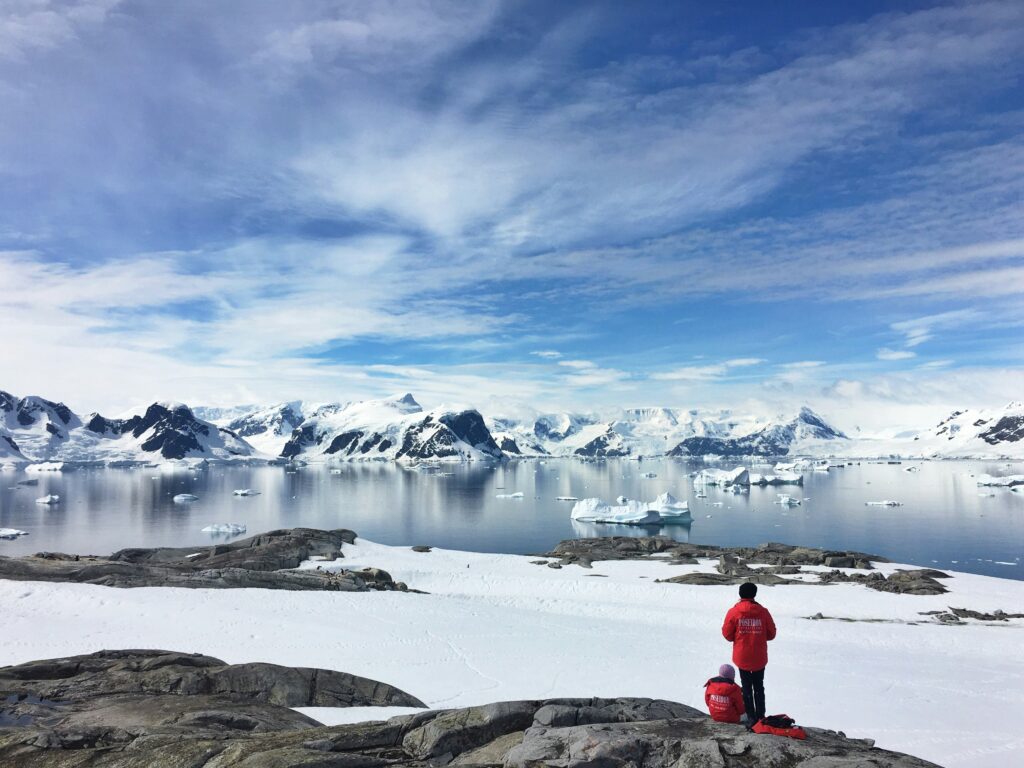
Climate change underpins both the opportunities and the threats. Ms von der Leyen said the Arctic was warming nearly four times faster than the global average. The new strategy retains the commitment to keeping oil, coal and gas underground in the Arctic. However, it no longer includes the 2021 strategy’s explicit pledge to seek an international legal ban on new oil and gas developments and purchases of their output.
Ms Kallas said economic development must respect Indigenous rights and benefit Arctic communities. Delivering that alongside stronger military capabilities and access to raw materials will depend on the investments that follow. “Adopting this strategy is only the beginning,” Mr Síkela said. “My responsibility now is to ensure that these commitments are fully implemented.”