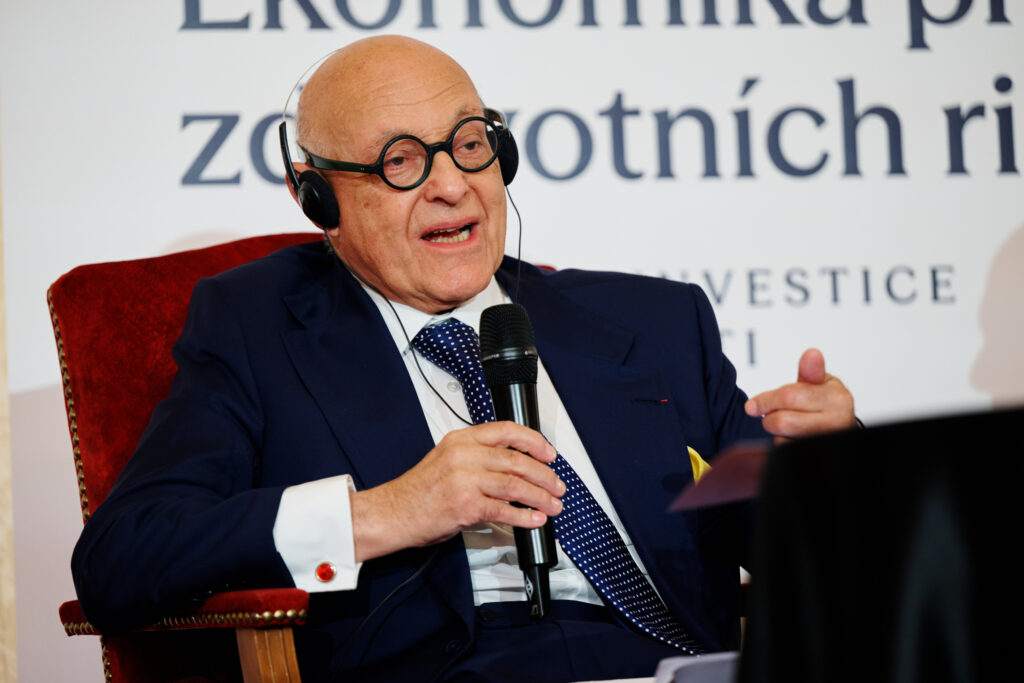
Governments and health bodies set targets that almost nobody can meet. People then give up, says Peter Harper, founder of the UK cancer centre of excellence Leaders in Oncology Care and a long-serving head of oncology at Guy’s and St Thomas’ Hospital in London.
The complaint about prevailing attitudes to public health policies is structural. “Zero is not a target. It’s unrealistic,” Dr Harper says. Zero should not be abandoned as an ideal — but an ideal is not a plan. A policy must work for people as they are, and it must set goals that officials can measure.
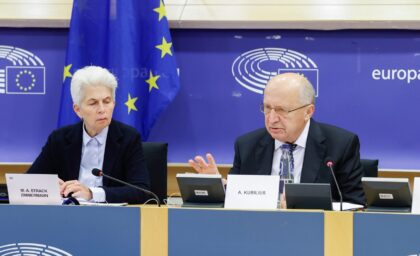
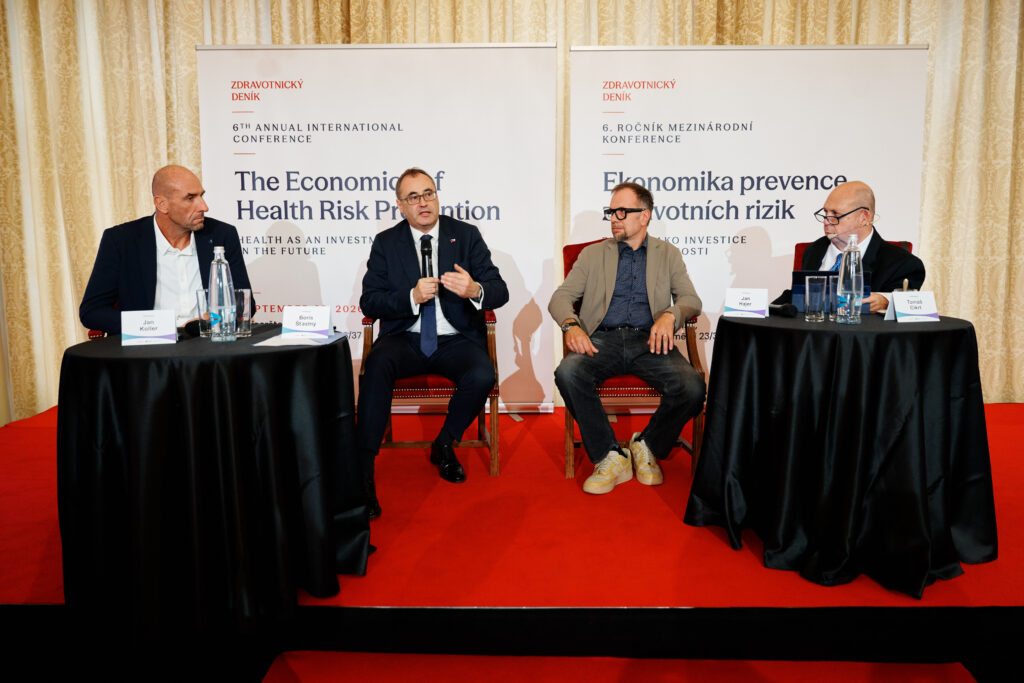
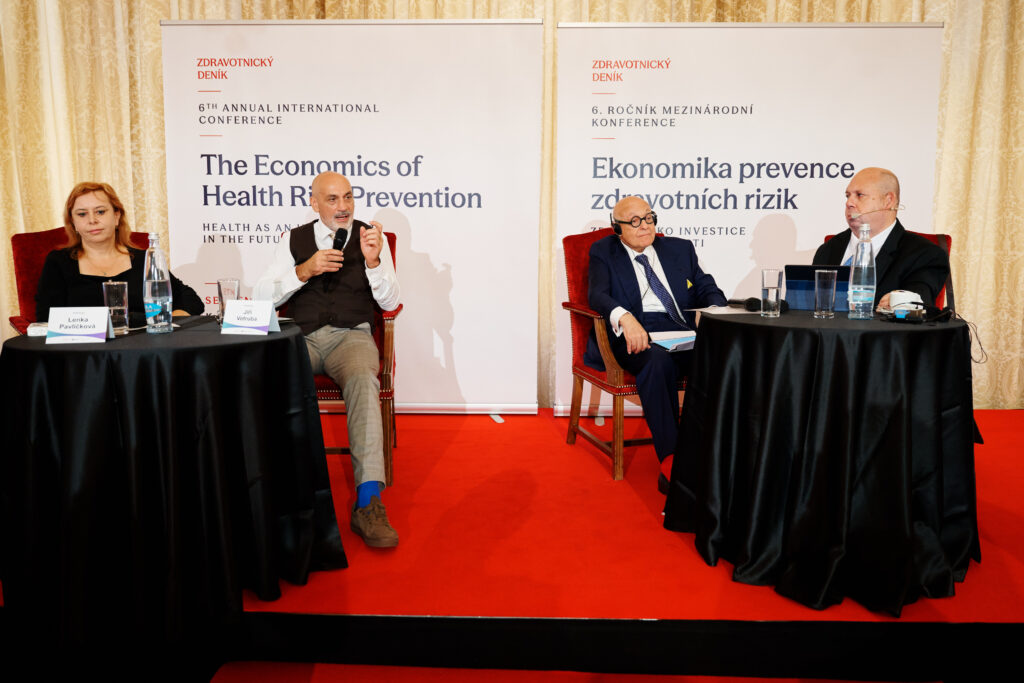
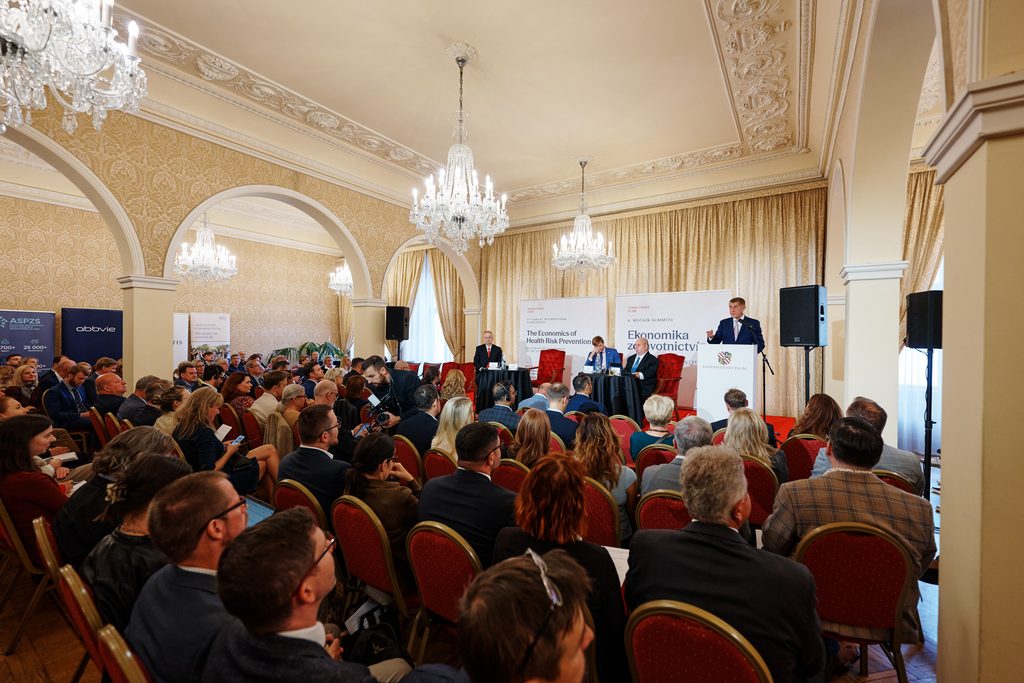
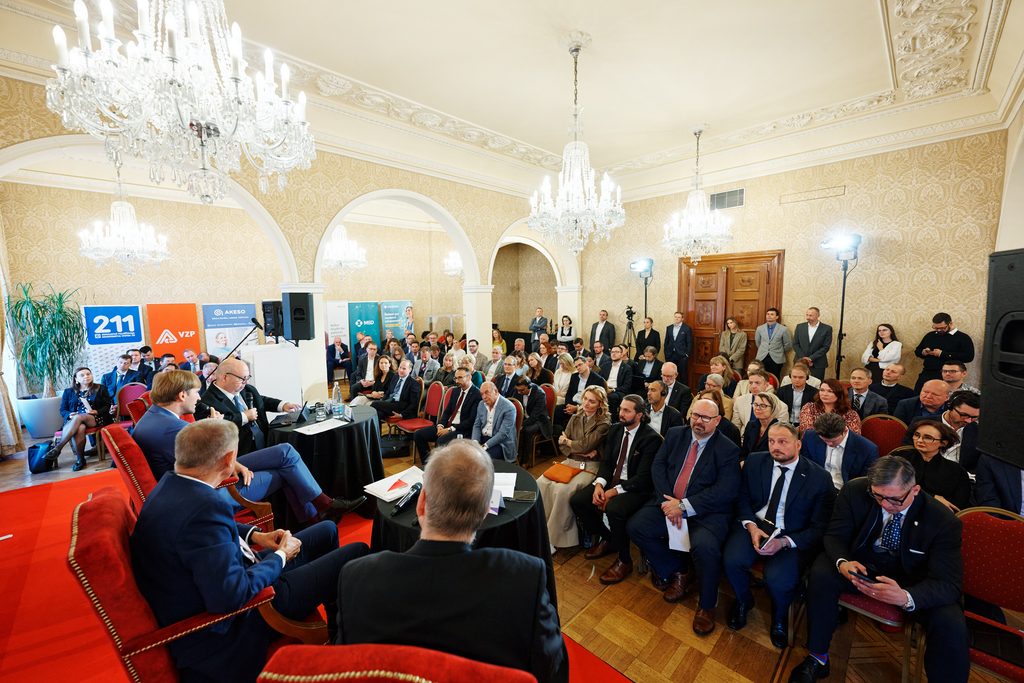
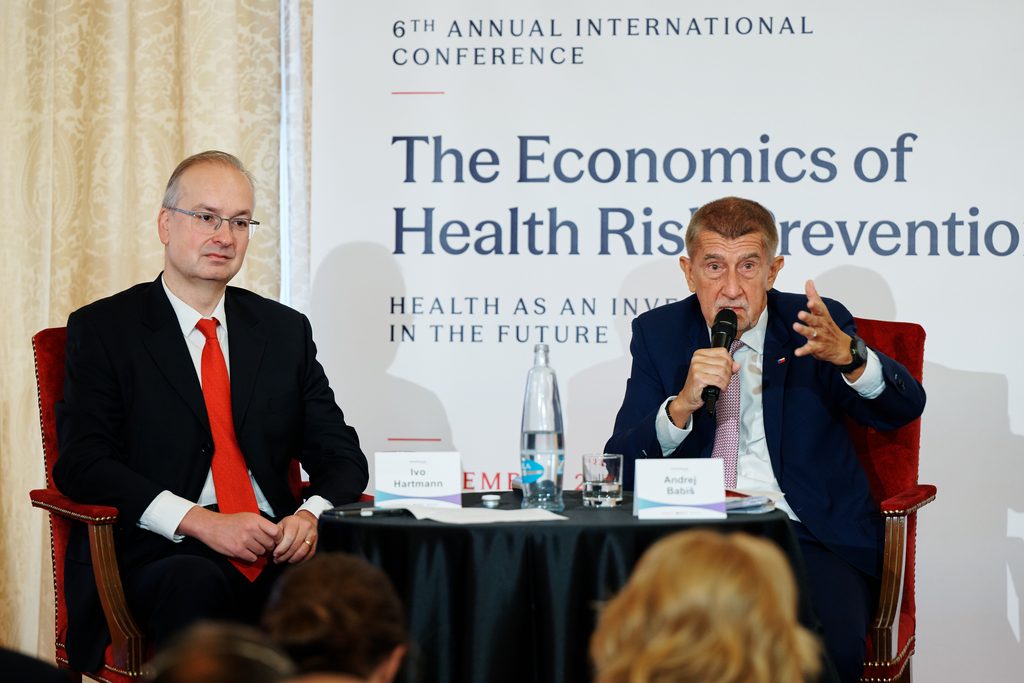
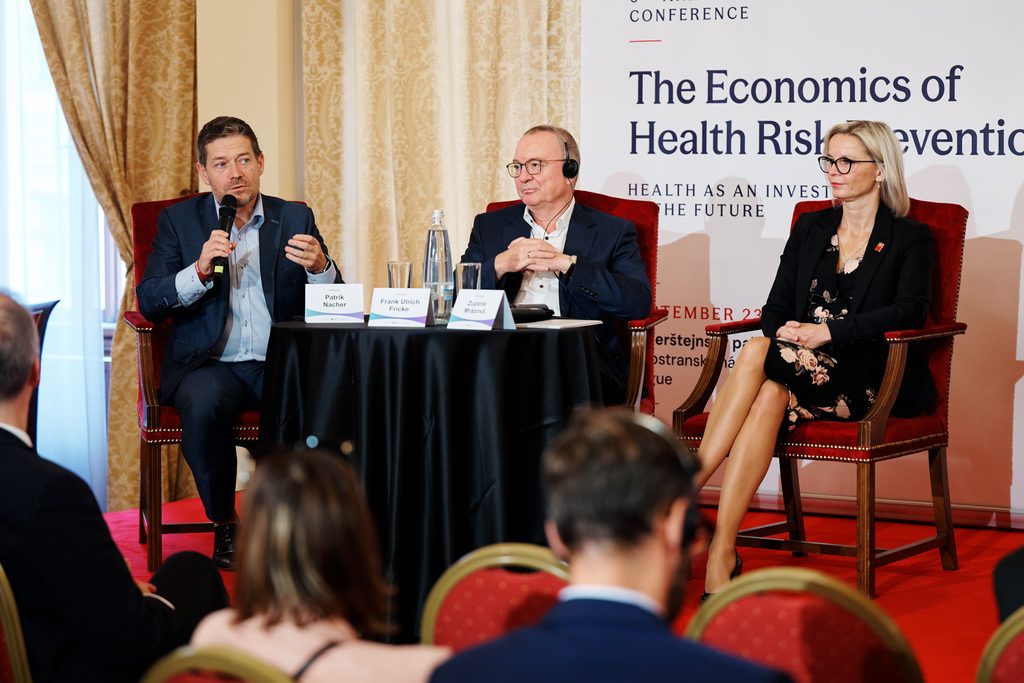
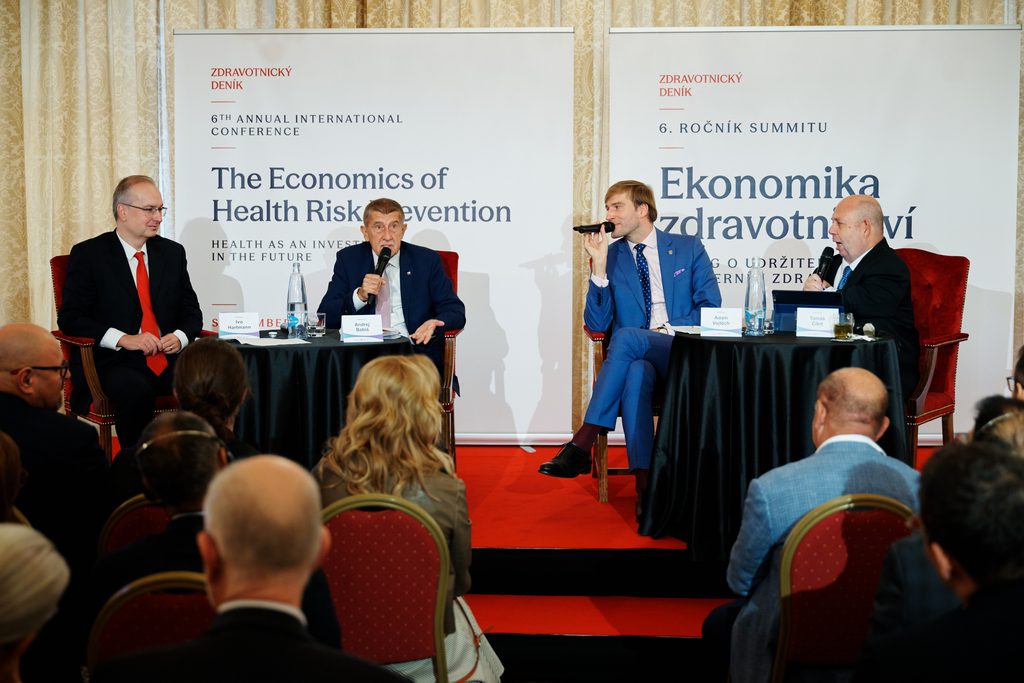
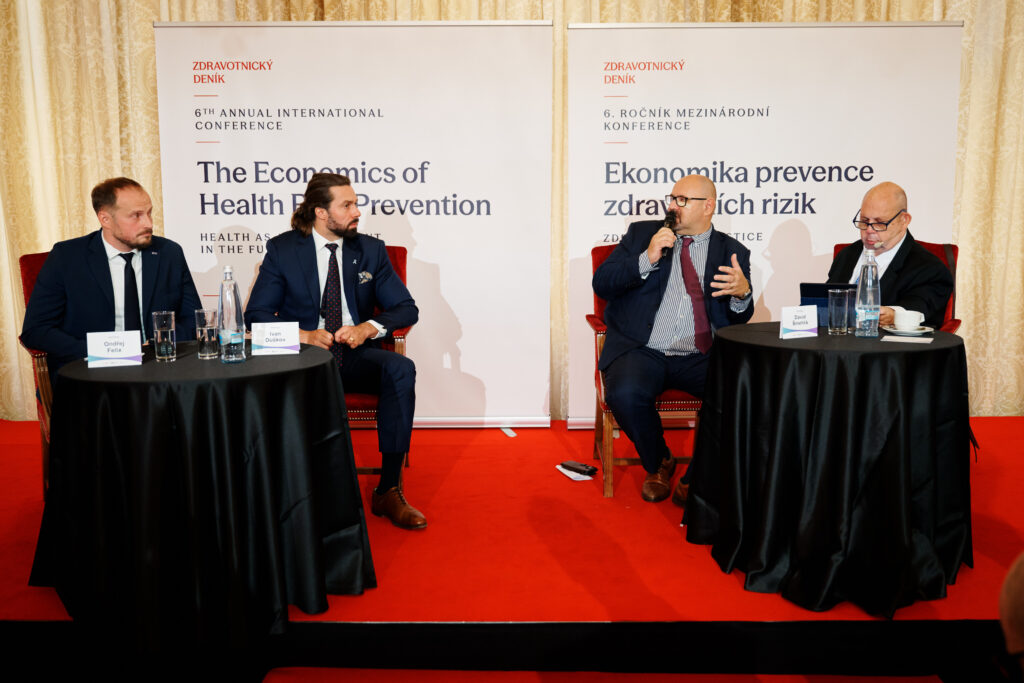
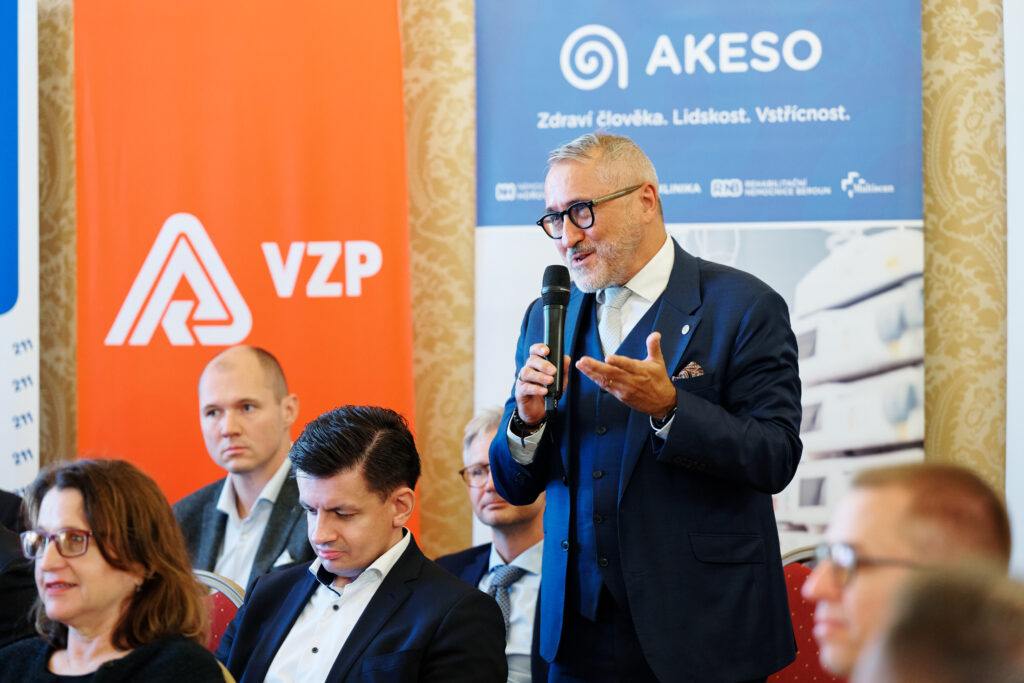
The British cancer expert laid out his case at a Brussels policy briefing organised by the European Policy Centre this past June, and at the Czech Health Journal International Conference in Prague in September. He argued that prevention must change course and work with how people really behave.
He speaks from long experience, having trained himself in oncology across several countries. “I’ve seen probably a quarter of a million people die over my lifetime, needlessly and horribly,” he says. That drives his passion for change. In 2000, he helped write France’s cancer policy, which covered neither early diagnosis nor prevention. The 2025 rewrite puts prevention and early diagnosis first.
Knowing more, healthy less
Start with a puzzle. People today have more information about food, exercise, sleep, and disease than any earlier generation. Many wear trackers. Yet anxiety and burnout are rising, as are obesity and autoimmune diseases. Antidepressant prescriptions in Europe have doubled in 20 years, he told the Brussels audience. Cancer shows the same pattern. Cancer in people under 50 has risen by nearly 80 per cent globally in 30 years, he said. Longer lives explain part of it. Median global lifespan rose from nearly 54 years in 1960 to 73 and a half in 2024.
“Longevity alone cannot carry the weight of the explanation,” the physician argued. People live longer but fall ill younger, he says. He blames the anxious, guilty, perfectionist way people now chase health. “The pursuit of perfect health is becoming a disease of its own,” he warned.
Dr Harper describes a typical new patient. She fasts until noon, tracks her glucose and sleep, and trains seven days a week. She has cut out seeds, oils, gluten, dairy, alcohol, and sugar. By every measure she does everything right. Yet she is exhausted, anxious, and guilty when she eats bread.
Sources of shame
All-or-nothing rules backfire, he says. One forbidden biscuit becomes a whole packet. A broken diet becomes an abandoned one. “Perfectionism is not the opposite of giving up. Perfectionism is the cause of giving up,” he declared.
Shame makes it worse. Patients arrive ashamed of wine, cheese, missed exercise, and smoking. People who meet a slip with self-compassion return to healthy habits more often. “As a physician, I’ve come to believe guilt and stigma is one of the most underrated toxins in the modern medicine,” he observed.
Harm reduction is not a compromise. It’s the only way to meet people where they actually are. — Dr Peter Harper, Leaders in Oncology Care
Polling in four nations, with 20,000 people asked in each, points the same way. Nearly eight in ten people think health recommendations are too strict. Roughly 20 per cent in each nation say the advice is fine. Around 65 per cent prefer realistically achievable steps to ideal standards.
Advice that people do not believe
Around 60 per cent want health policies judged in real-world conditions. Between 64 and 77 per cent feel alone in working out how to improve their health. Hard rules, such as no nicotine at all, strike people as less achievable than softer guidance that says avoid or limit. “Setting somebody zero of something does not work,” said Dr Harper. For him, the issue comes down to control. People who feel in charge of their behaviour keep trying. People handed impossible targets stop trying, and they stop trusting the people who set them.
Official advice also shifts. For 30 years, moderate drinking looked good for the heart. Then the WHO declared that no level of alcohol is safe. The oncologist does not agree. “The science is changing and science must change,” he said. But he says advice without any admitted uncertainty leaves people confused.
Sugar shows the same flaw. Targets fell from below 15 per cent of calories to 10, then 5, then zero. Yet roughly 70 per cent of packaged foods contain sugar, he noted. “It’s an impossible task. It is designed structurally to fail,” was his verdict on a zero target.
The devil is in the dose
Eggs, butter, salt, red meat, saturated fat, and coffee have all faced condemnation, then rehabilitation, within a single lifetime, he pointed out. Conflicting advice leaves the careful person stuck. “They are not failing guidelines. The guidelines are failing them,” Dr Harper said of conscientious patients.
He wants policy to relearn that dose matters. A glass of wine with Sunday lunch is not a bottle of vodka a day. Five minutes in the sun is not a midday blast. “That is what’s got forgotten in policy,” he said. “Risk is not binary. It’s not a light switch on or off, simply safe or unsafe. Risk sits on a curve.”
In his view, every risk comes with a dose, a context, and a person attached to it. Policy that ignores dose, he argues, makes every recommendation impractical and impossible to explain. “When we collapse that distinction, when we treat every milligram of a substance as equivalent to a kilogram, we stop doing science and start doing morality,” he warned.
Why fear fails
Covid, the doctor argues, tested fear as a health tool. Cancer screening collapsed. Cardiovascular check-ups were postponed. Exercise fell, and mental health deteriorated. The result was, contrary to some expectations, not a healthier population. “Fear deployed at scale did not produce a healthier population. It produced a frozen one,” said Dr Harper.
He also faults Britain’s response. Officials sent elderly patients home untested, he said, and care homes caught Covid. He says fright after Milan’s hospitals were overwhelmed drove such choices.
The pursuit of perfect health is becoming a disease of its own. — Dr Peter Harper
“There’s so much where common sense gets suspended,” he said. He drew attention to an overlooked cost of unattainable rules: they fragment society. Britain’s pub, where the landowner and the bus driver meet as equals, shows what is at stake. Social life, he says, belongs on the value sheet.
The smoker’s case
Smoking is a vivid example, if not the whole case. Dr Harper says people ideally should not smoke. But he points to the 1-1.2 billion smokers worldwide. Of these, eight per cent will get lung cancer. That means 80 million cases; many more will die of vascular disease and diabetes.
“’Quit or die’ is not acceptable. You have to stop being binary,” the oncologist insisted. He wants smokeless tobacco and vaping on the table. Would policymakers simply forget the world’s smokers, he asked. His answer was, for once quite predictably, no.
“They’re going to need nicotine. Give them nicotine. I don’t care how,” he said. He does not claim lower-risk options carry no risk. His point is that policy should tell levels of risk apart, and push people from higher to lower.
Movement without the gym
Exercise offers a gentler example. Dr Harper says movement is probably the key. But it need not happen in a gym. For someone who sits most of the day, a gradual move to regular activity helps greatly. Nobody must reach the ideal amount at once.
Daily life already holds movement, he said. “You have to walk to the bus stop, you have to walk to the tube station, you have to walk to the office.” Working from home removes that. He adds that hotter summers will keep people indoors unless cities build movement in.
Equipment, he says, is optional. “You can do most of your health training with elastic bands,” the physician said. He advises resting when muscles hurt and avoiding very heavy weights. But people like facilities they can frequent. That is because it is guilt—not lack of effort—what the problem is. People find it hard to let go when they should.
Weight and the long game
Cardiovascular disease causes 65 per cent of deaths in the population, he said. Three factors—blood pressure, cholesterol, and obesity—can halve that risk, he says. Obesity worries him most. In Kenya, 15 per cent of children under 12 are obese, he said. “They’re going to carry that into early coronary artery disease, earlier vascular disease, dementias,” he warned. He sees the same problem in Britain, where he puts the obesity rate at 50 per cent.
He wants Britain to bring in obesity drugs and cut that rate to 20 per cent. The government that pays will not reap the reward. The benefit arrives 16 years later, in fewer knee replacements, hip replacements, and cases of dementia. “Type 2 diabetes is entirely preventable,” he said.
Vaccination shows the cost of mistrust. The HPV vaccine, the oncologist said, is made from the capsule of the virus and has no deficits at all. Yet it meets pushback. “But that is perhaps the most transformational single event that we can give to our children,” he said.
As a physician, I’ve come to believe guilt and stigma is one of the most underrated toxins in the modern medicine. — Dr Peter Harper
If children take it, cervical, mouth, and throat cancers should become much reduced. Doubt about the vaccine, he says, limits the benefit. It shows that communication must respect adults, he argued. “You must give them full information and allow them their variability in response, you can’t be binary,” said Dr Harper. Trust, in his view, is part of the treatment. Scolding and fear erode it.
An economic matter
The British physician says his argument gains traction only when it moves from health economics to the economics of health. The first counts the cost of keeping people well. The second counts what a healthy person gives a nation.
Healthy people earn more, which lifts GDP and profit per person. “We should be talking to the treasuries, not to the health ministries,” he said. Life has lengthened from 45 to 74 years, but a third of the lifespan brings health events. For a child who may live 100 years, that is 33 years of ill health. So what counts is healthspan, not a mere lifespan.
Illness also hits families, he said. If a mother falls ill, someone must take her to hospital. If a parent dies, the one left contributes less. Such costs hide from view. “We count things that happen, we don’t count things that don’t happen,” said Dr Harper stressing that the economics behind the numbers plays a role that has no room in current statistics.
This is why Dr Harper wants ministers beyond health to take part, because people’s circumstances shape their health as much as their habits do. “Prevention has to be a longterm plan of government,” said. “It cannot come from health service alone.” Politics, however, makes this hard: “You must address the conditions in which people live because housing and economic conditions are a health variable.”
Beyond the clinic
“The problem is you’re going to pay in this government and the benefit is in three governments time,” he said. “That is always the problem with prevention.” This is where he draws a line: “Prevention is not screening. Let’s be very clear. I’m not asking for more screening.” But he wants policy, and a lot of it — but there is a catch. “I’m totally behind policies, but policies should be realistic and sensible,” he added.
The oncologist does not want joyless prevention. “You’ve got to do something naughty every day,” he said. People need laughter and pleasure, he argues. Pleasure, in his view, belongs in the plan. From the other end, he tells patients to be wary of any health habit that adds to their daily anxiety or social isolation, a sourge in and of itself.
Health gadgets can be another misleading factor, he says. “The number on the screen is not your health,” he asserts. A tracker that makes a person feel a failure on a rest day is the problem. His advice to patients is simple: “I say aim for good enough, not perfect.” Slips will happen. “Cultivate the ability to slip and return,” he recommends.
His closing case is short. “Reducing risk is not failure, it’s progress. Have less risk, not no risk,” he said in what amounts to a summary of his approach to public policy. “Harm reduction is not a compromise. It’s the only way to meet people where they actually are.”