The EU still has €21.3 billion available under its SAFE defence fund. The European Commission is now opening a second round, inviting member states to apply for more loans. It also wants them to look beyond their own armed forces and consider Ukraine’s urgent needs.
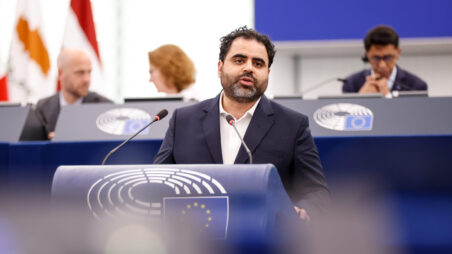
Andrius Kubilius, the EU’s commissioner for defence and space, has written to member states asking them to express interest in further funding under the Security Action for Europe (SAFE) instrument. The Commission will then tell them how much they could provisionally receive.
The second round is possible because some countries ultimately requested less money than they had initially planned. Hungary, for instance, reduced its planned borrowing from €16.2 billion to €5.4 billion, while Italy cut its request from €14.9 billion to just over €8 billion. Member states that need extra funding for defence investment can now tap the funds left over.
EU’s €150 billion defence fund
SAFE is a lending scheme launched by the EU in 2025, with up to €150 billion available. It gives member states access to long-term loans to buy military equipment and fund other defence investments. The bloc wants to speed up rearmament, strengthen Europe’s defence industry and encourage countries to buy more equipment together.
Nineteen member states took part in the first round, requesting around €130 billion in loans. The European Commission has approved their national plans and signed 16 loan agreements so far. Eleven countries that requested pre-financing have already received nearly €13.5 billion between them.
The remaining €21.3 billion offers another chance to invest in Europe’s defences. All member states can express interest, whether or not they took part in the first round. “We hope that there will be interest from our member states, given the need to increase Europe’s security,” Commission spokesperson Thomas Regnier said.
Weapons Europe needs. And Ukraine too
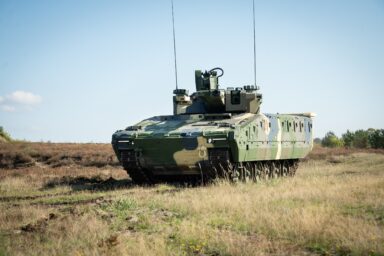
The Commission recommends that countries prioritise the equipment their armed forces need most urgently. That includes air and missile defence systems, drones and anti-drone equipment, ammunition and missiles.
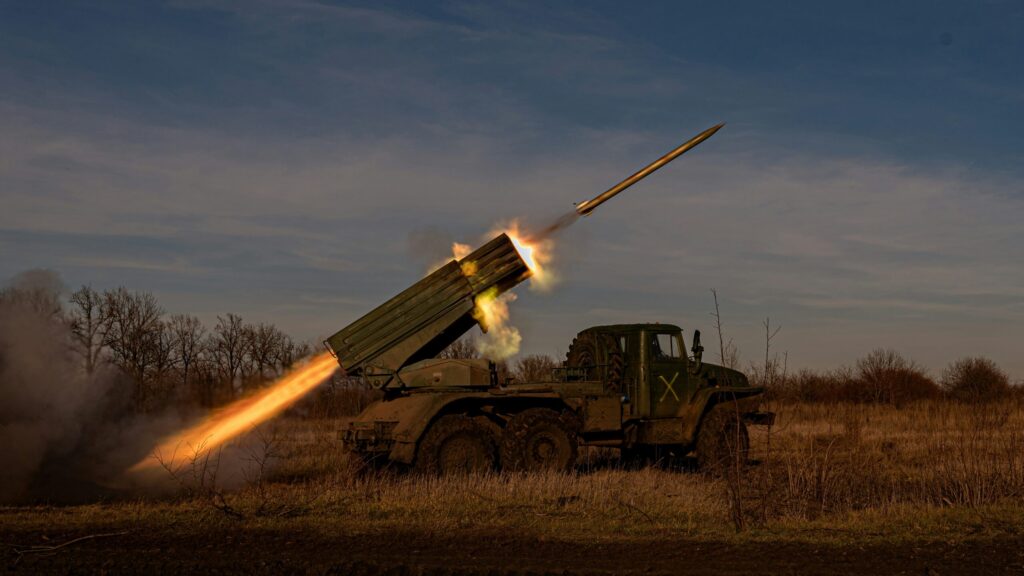
These capabilities are also crucial on the battlefield in Ukraine. Strengthening them could therefore benefit not only European armies but potentially Ukraine’s armed forces as well.
The Commission wants member states to factor Ukraine’s needs into their plans for further investment. It urges them to include joint projects and purchases with Kyiv, focusing on equipment the Ukrainian military urgently needs.
That reflects one of SAFE’s central ambitions: to ensure that higher European defence spending does more than boost orders for national industries. The scheme also aims to foster cooperation between countries and provide more effective support for Ukraine. Mr Regnier stressed that this had been the intention behind SAFE from day one.
Ultimately, however, national governments have the final say. “We can align both interests, but again these loans are taken by the member states,” the spokesperson added.
What happens next?
Member states can now tell the Commission how much additional funding they are interested in. Within two weeks of the deadline, the Commission is expected to notify them of their provisional allocations. Countries can then submit additional investment plans, which the Commission will assess again.
The new call does not change the rules of the original scheme. It simply gives countries another chance to use the remaining funds and keep investing in European defence.