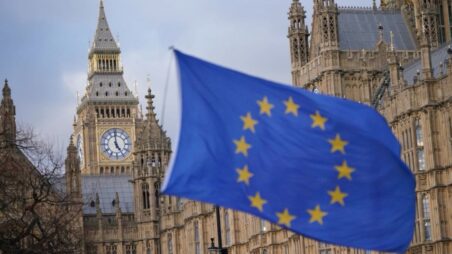
Some EU lawmakers say Europe cannot afford to restore its forests, rivers, and wetlands. Yet most of the money already set aside for nature sits untouched. Member states have spent just 15 per cent of €6.5bn, while a row over delaying the nature restoration law splits the European Parliament.
Under the law, every member state had until 1 September to submit a draft national restoration plan. During a debate in the European Parliament, several MEPs said only nine of the 27 countries had done so. The European Commission confirmed that some countries had missed the deadline and urged them to act, but did not give an exact number.
The delays have raised questions about who will pay for nature restoration and whether farmers and governments can meet the law’s demands. The stakes are high. By 2030, the EU must have restoration measures in place on at least 20 per cent of its land and sea areas.
Nature funds left unspent
The Nature Restoration Regulation aims to restore damaged ecosystems and protect them. These include forests, rivers, lakes, and wetlands. The law also seeks to protect species and help member states cope with severe weather such as droughts, floods, wildfires, and extreme temperatures.
But restoring nature requires funding and careful planning. EU Environment Commissioner Jessika Roswall said the EU had allocated €6.5bn from regional funds to nature, biodiversity, and Natura 2000, its network of protected sites.
So far, countries have spent only 15 per cent of that money, according to Ms Roswall. The figure raises questions about why so much funding remains unused. At the same time, lawmakers warn that restoration projects need more financial support.
The Commission did not explain why spending has been so low. Brussels also wants at least 35 per cent of the EU’s next long-term budget, for 2028–2034, to support climate and environmental goals. That budget is still under negotiation. However, the money would cover several policies, not just nature restoration.
Fears over costs for farmers
MEPs clashed sharply over how the law would affect farmers, private forest owners, and rural communities. Some argued that many restoration measures are costly. They warned these could limit how farmers use their land, cut food production, and reduce timber output. Some MEPs asked for more flexibility, others for delays. Both show that worries about implementation persist.
Herbert Dorfmann (EPP/ITA) argued that national and regional authorities should have more control over restoration projects. He said local authorities understand their landscapes and can choose measures that suit their needs.
Other lawmakers opposed reopening the legislation. They argued that restoring nature can benefit farms, improve water quality, and reduce damage from extreme weather events.
Room for both farming and nature
The Commission defended the law, saying countries can choose measures that fit their own regional needs. Ms Roswall said that restoring nature does not necessarily mean taking land out of farming.
Instead, Brussels wants to see healthier soil, stronger forests, and better protection of farmland against droughts and wildfires. The Commission also argues that cities can add green spaces while still building new housing.
Together with the European Environment Agency, the Commission is now assessing the national plans received so far. It said it would publish a report on the review. But Ms Roswall stressed that responsibility for implementing the plans will rest with the member states.
Pressure ahead of biodiversity summit
The debate comes ahead of the UN biodiversity conference (COP17) in Yerevan, Armenia, on 19–30 October. Ireland, which holds the rotating presidency of the Council of the EU, wants to use the law as an example of how the EU is working towards protecting nature.
How can this work if we’re not going to pay for it? — Luke Ming Flanagan, Irish MEP (The Left)
However, the debate shows that funding and implementation remain major concerns. The Commission says restoring nature benefits Europe’s economy, agriculture, and water supplies. Critics fear the law will add costs for farmers and businesses. “How can this work if we’re not going to pay for it?” asked Luke Ming Flanagan (The Left/IRL).