The European Commission says it is still weighing a one-year delay to its methane rules for oil and gas imports. Yet a written answer from the energy commissioner reportedly states that Brussels cannot postpone them on its own. Lawmakers will question him in Strasbourg on Tuesday.
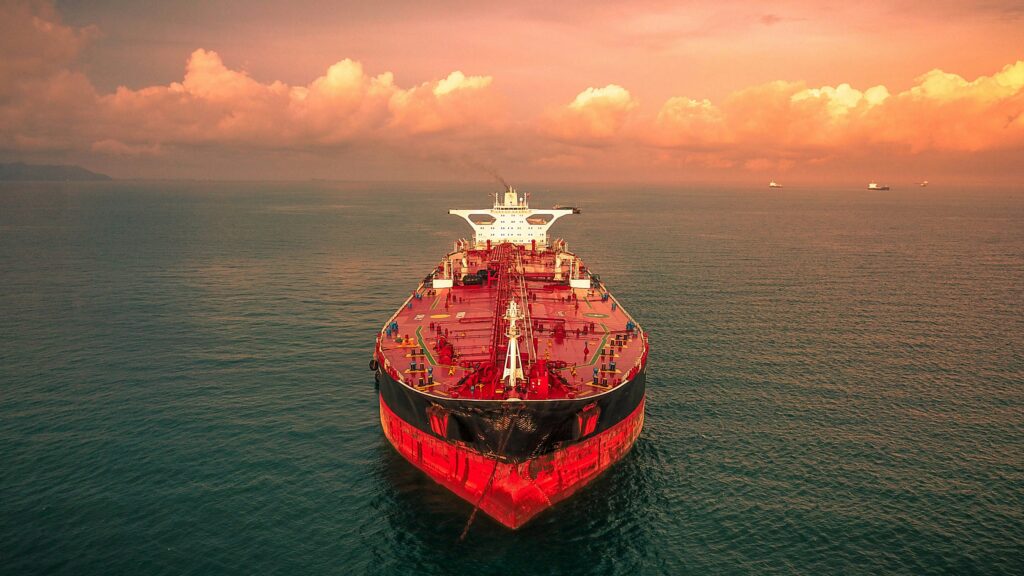
From January, oil and gas shipped into Europe is supposed to come with a methane check. Under the EU methane regulation, importers must prove that their foreign suppliers monitor, report, and verify leaks of this potent greenhouse gas to standards matching the EU’s. Brussels now wants to give them another year. Commission spokesperson Anna-Kaisa Itkonen confirmed on 5 October that the Commission’s energy department (DG ENER) is studying the delay.
The confirmation came after a journalist pointed to a written answer by Energy Commissioner Dan Jørgensen published the same day. According to the journalist, Mr Jørgensen wrote that the Commission “cannot autonomously postpone the application” of the rules and “is not considering an amendment to the legal acts”. Ms Itkonen did not dispute the answer. She said the Commission remained “very committed to this ambition” but had to see the rules “in the broader context of significant and continued tensions on global oil and gas markets”.
Delay or softer enforcement
The two messages are hard to square. The regulation fixes the 2027 date in law, so only a legislative change can move it. Any delay would need the approval of both the European Parliament and the Council before the end of the year. Mr Jørgensen left that decision to the co-legislators when he floated the idea in Dublin on 29 September.
Speaking on the sidelines of an informal meeting of energy ministers, he admitted that Brussels faced difficulties with the import provisions. He said he had instructed his services to assess postponing them. A day earlier, a Commission spokesperson told Reuters that the Commission “plans to propose a postponement of the entry into force of the methane regulation”.
Brussels already has a softer tool at hand. In July, the Commission recommended that member states pause penalties for three years for several obligations, including the monitoring and reporting rules for importers. A formal delay would go further and move the legal deadline itself. Which route the Commission will take remains unclear.
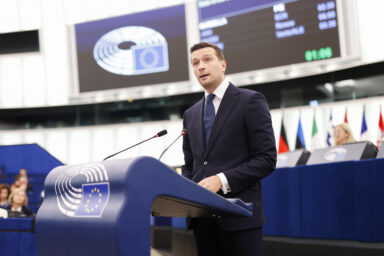
Ms Itkonen said DG ENER acted after listening to member states and industry. She cited “concrete and genuine struggles” with the import system. Mr Jørgensen will face lawmakers on 6 October during Question Time, a plenary session where they question a commissioner directly. The Commission is expected to table a formal proposal before EU leaders meet on 15 October.
Winter prices versus climate ambition
Pressure for a delay has built for months. In June, more than a dozen member states, including Czechia, Germany, and Italy, called for a three-year postponement. France pushed for a one-year pause in Dublin, and the US Department of Energy has called the regulation a “non-tariff trade barrier”. Spain stands on the other side. “We don’t want to postpone the methane regulation,” said Spanish Minister for Ecological Transition Sara Aagesen.
The Commission links the debate to energy prices. Gas storage stood at around 70 per cent across the EU in late September, but at only 57 per cent in Germany. “We do foresee very high prices,” Mr Jørgensen warned in Dublin. Climate experts and investors fear that a pause could weaken a law the Commission itself presents as one of the most ambitious in the world.
I do not want us to scale back our ambitions in any way. — Dan Jørgensen, Commissioner for Energy and Housing
Mr Jørgensen insists the move is no retreat. “I do not want us to scale back our ambitions in any way,” he said in Dublin. He also set one condition for any delay. All member states must use the extra year to make sure they can apply the rules once it ends.