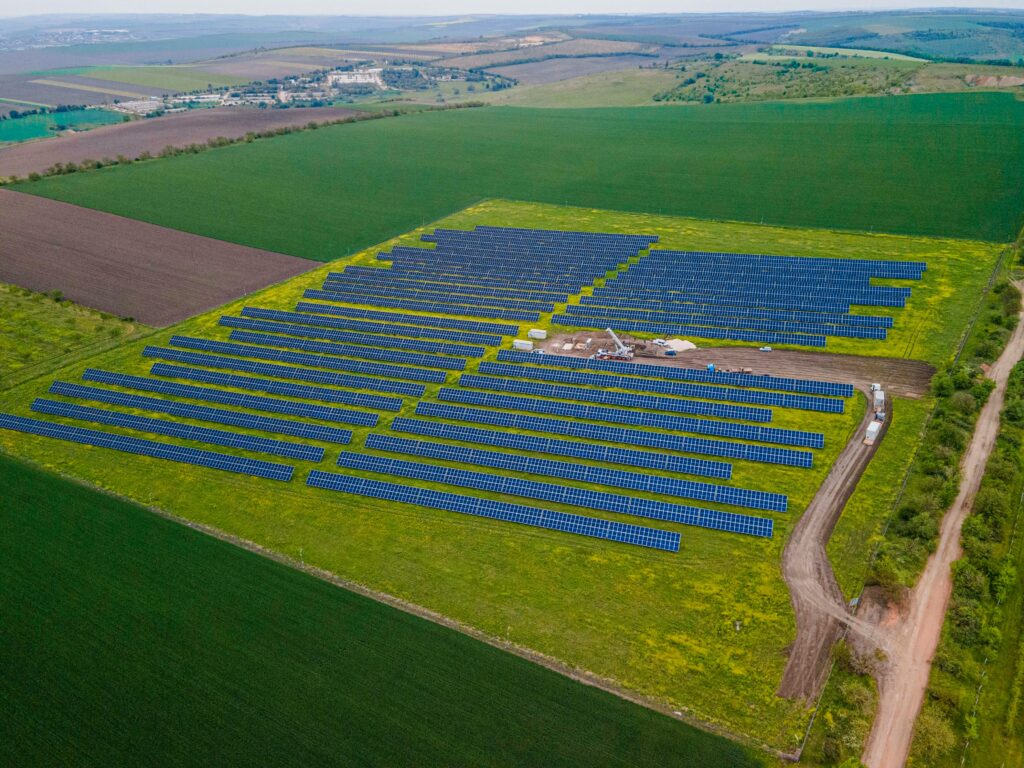
Homes and businesses installing solar panels, batteries, or charging points could get permits within months. The smallest might need none at all. An EU deal also eases grid applications and makes larger renewable projects share benefits with locals.
Under the deal EU governments and Parliament reached early on Wednesday, permits for solar equipment and batteries installed alongside it would take no more than three months. Stand-alone storage and charging stations would have a six-month deadline. The agreed rules also set a three-month limit for grid connections, extendable to six months where justified.
“We need grid infrastructure for clean, affordable, and homegrown energy and to break our dependence on imported fossil fuels,” said Darragh O’Brien, Ireland’s Minister for Climate, Energy and the Environment, whose country holds the rotating Council presidency. He spoke after the provisional agreement. Electricity transmission projects currently take around ten years to complete, with permitting accounting for more than half that time.
Fewer permits for smaller installations
The deal would raise the threshold above which small solar installations, storage, and charging stations require permits from 100 to 200 kilowatts. Hydrogen storage is excluded. Charging stations installed on artificial structures would need no administrative permit where their combined capacity is one megawatt or less, according to Parliament.
You might be interested
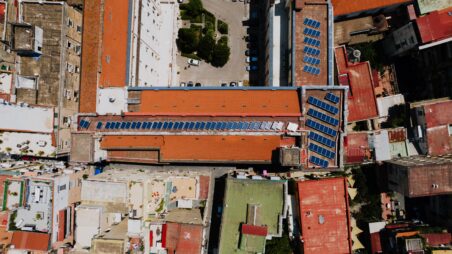
For businesses installing solar panels or expanding charging facilities, this would mean fewer approval requirements for smaller projects. Larger installations would benefit from clearer deadlines. Pumped hydropower storage, which involves more extensive construction, would have a two-year permitting limit.
Authorities would handle applications through single or connected digital portals. Governments could also count unanswered requests at certain intermediate stages as approved, allowing applications to advance when an authority fails to respond. This would remain a national choice.
We need grid infrastructure for clean, affordable, and homegrown energy and to break our dependence on imported fossil fuels. — Darragh O’Brien, Ireland’s Minister for Climate, Energy and the Environment
“Procedures take too long, and decisions are issued too slowly,” said Borys Budka (EPP/POL), chair of Parliament’s Committee on Industry, Research and Energy. He pointed to faster connections for rooftop solar panels and storage systems as practical benefits for households and companies.
Communities would share project benefits
Renewable developments above seven megawatts would have to share their economic benefits with communities hosting or affected by them. Negotiators lowered the threshold from the European Commission’s proposed 10 megawatts, bringing more projects within the obligation. Projects run by renewable energy communities would be exempt.
The agreement would also allow independent facilitators to help discussions between developers and residents. Countries could prioritise renewable energy and electricity grids as projects of overriding public interest, giving them priority when authorities weigh competing concerns such as nature protection. Exceptions would remain for defence, security, and cultural heritage. The changes still require formal approval from Parliament and Council. Member states would then have 18 months to incorporate them into national law.