What does a typical day look like for someone working at the intersection of AI and cybersecurity? With recent attacks on freezers highlighting the real-world consequences of digital threats, EU Perspectives spoke to Alexandros Zacharis, AI Team Leader at ENISA, about emerging vulnerabilities, the challenges facing cyber defenders and the human side of his work.
Fresh wave of cyberattacks targeting supermarket freezers in several EU member states have shown how digital threats can spill over into everyday life, disrupting services people rely on. The incidents are another reminder that cybersecurity is no longer just a concern for IT specialists.
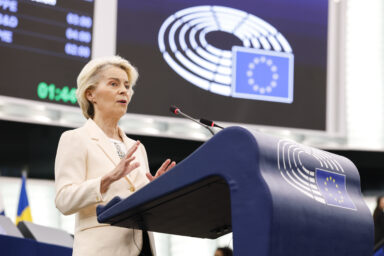
The European Union Agency for Cybersecurity (ENISA) works to strengthen Europe’s ability to prevent and respond to cyber threats. One of its areas of focus is the growing role of artificial intelligence in cybersecurity. Dr Alexandros Zacharis, who leads ENISA’s AI team, works with the latest AI models to explore their capabilities, identify potential vulnerabilities and help defenders prepare for emerging risks.
As he tells EU Perspectives, the rapid development of AI brings both excitement and a sense of urgency: “The pace keeps me and the team energised and eager to explore more.”
Behind every incident, there are real people affected. Looking at the freezer attacks, was it this specific case, or a different one, that made you realise the human impact of your work?
What has made the human impact feel real to me is seeing how these changes affect the people responsible for defending organisations. Incidents this summer where the AI went “rogue” showed how much AI models have evolved, including their ability to act more independently and, in some cases, find ways around their safeguards. We’re also seeing new vulnerabilities emerge and AI being used in cyberattacks.
The exciting part is that an AI model can surprise you. You start an experiment with a particular question or prompt in mind, and sometimes it produces a result that is far more useful or revealing than you expected.
In conversations with experts, I’ve sensed a mix of puzzlement and concern about what this means for their day-to-day work. Defenders are adapting, but the pace can feel slower than the pace of change. Behind that challenge are people working to keep their organisations and the services we rely on safe.
When people imagine someone working on cybersecurity in an AI lab, they often picture a person sitting in front of multiple screens, tracking cyberattacks in real time. How close is this image to reality?
My day moves between conversations and hands-on experiments. I speak with representatives from frontier AI labs to learn what their newest models can do and negotiate access to their latest capabilities. Then we put those models to work: exploring how they behave, testing where they might uncover real-world vulnerabilities, and thinking through what defenders should do.
For example, we have been running practical experiments on open-source software maintained in, related to, or directly used by the EU institutional and European digital ecosystem. The practical lessons generated from the experiments can directly support implementation of the EU Action Plan on Cybersecurity and Artificial Intelligence to accelerate patching, which means fixing weaknesses for example in code by leveraging AI.
The exciting part is that an AI model can surprise you. You start an experiment with a particular question or prompt in mind, and sometimes it produces a result that is far more useful or revealing than you expected. Those moments make you want to try the next idea.
We work closely as an ENISA team to understand what the results mean, then share our findings with EU member state stakeholders and critical infrastructure operators. Every day brings a mix of collaboration, discovery and cutting-edge technology.
What does it feel like to work in a field where the threats are constantly evolving?
It’s a mix of feelings. The pace keeps me and the team energised and eager to explore more, while giving us a real sense of urgency. We want to stay at the forefront, understand what AI can do, and inform and mobilise the right people to meet the new challenges and threats it brings.
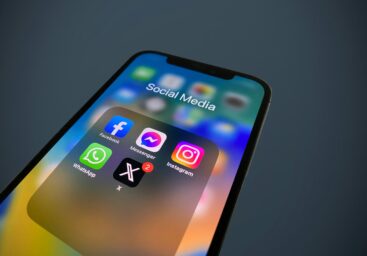
Basic cyber awareness has become an everyday survival skill. Most of us use smartphones and the internet daily, so we need to understand the risks and know how to protect ourselves.
Like any technology, AI requires us to adapt. What’s different this time is the speed. We need to make progress faster while doing so safely and finding that balance is tricky.
Does working in cybersecurity change the way you experience everyday life?
I think basic cyber awareness has become an everyday survival skill. Most of us use smartphones and the internet daily, so we need to understand the risks and know how to protect ourselves.
That means staying alert and keeping up with new threats, including AI-enabled abuse such as cloned voices and images. Having awareness, avoiding risky actions, being cautious with emails and links, and limiting unnecessary exposure and personal information sharing online can also reduce the chances of being hacked.
In the European Commission’s Eurobarometer survey on employees’ cybersecurity awareness and preparedness, 39 per cent of the respondents reported having received phishing or fraudulent emails.
For me, vigilance has become second nature. I try to pass that habit on to my family and friends, because everyone should be aware of the dangers and how to defend themselves.