Faster fraud detection, more effective recovery of stolen money and closer cooperation between existing authorities. The European Parliament is calling for stronger protection of taxpayers’ money ahead of the EU’s next long-term budget.
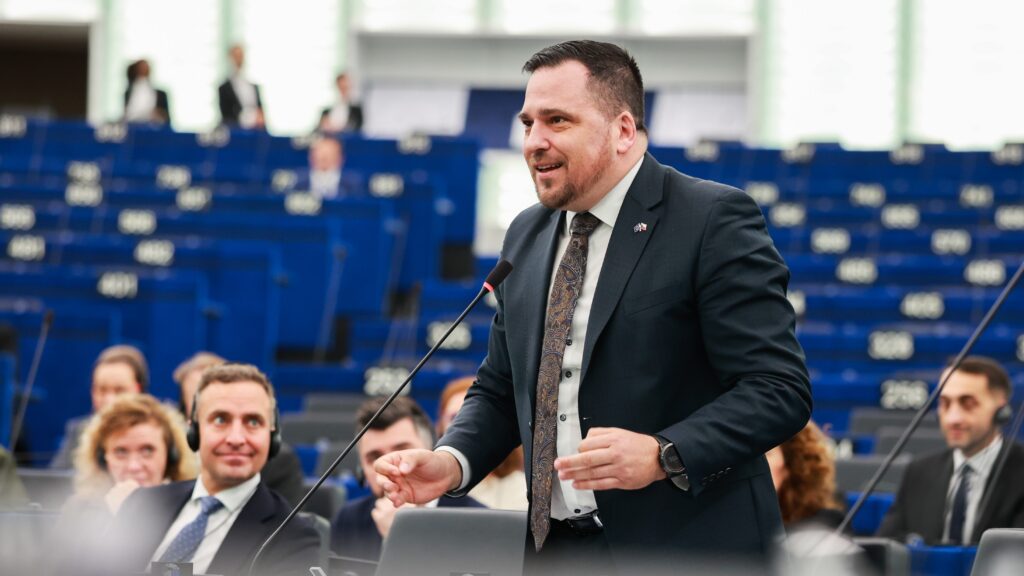
The European Parliament backed on Tuesday a report calling for an overhaul of the EU’s anti-fraud system. The resolution, presented by co-rapporteurs Tomáš Zdechovský (EPP/CZE) and Dick Erixon (ECR/SWE), was adopted with 552 votes in favour, nine against, and 101 abstentions.
Anyone who has stolen EU money must pay it back. Every last euro! — Tomáš Zdechovský (EPP/CZE)
At the end of 2025, the European Public Prosecutor’s Office (EPPO) was investigating 3,602 cases involving estimated damage of €67.27 billion. That is nearly three times the previous year’s figure. More than two-thirds of the estimated damage was linked to VAT and customs fraud.
You might be interested

According to Mr Zdechovský, intermediaries are suspected of pocketing commissions worth between 20 and 50 per cent of the value of EU-funded projects. The Czech MEP pointed to weak oversight, poor information sharing, and ineffective anti-corruption tools that allow organised fraud and corruption networks to operate.
Better cooperation, not more bureaucracy
Rather than creating new agencies, lawmakers want closer cooperation between the bodies tasked with protecting EU money. These include the European Commission, the European Anti-Fraud Office (OLAF), EPPO, Europol, Eurojust, and national authorities.
MEPs are pushing for clearer responsibilities, faster information sharing, and common rules for joint investigations. They also want OLAF to play a stronger coordinating role in recovering misused funds. The success of anti-fraud efforts should be measured partly by the value of assets secured and money returned to public budgets.
“Almost all EU financing ultimately comes from taxpayers. We therefore bear a significant responsibility to ensure that fraud, corruption, and misuse is prevented,” Mr Erixon said.
Catching fraud before the money disappears
Mr Zdechovský is calling for greater use of digital tools to detect fraud before public money is lost. “We cannot stop 21st-century fraud with last-century controls,” he wrote on X. Tools such as Arachne+, the Commission’s fraud-risk analysis tool, could help authorities identify high-risk projects and stop suspicious payments.
Another concern is how spending will be monitored under the EU’s next long-term budget (2028–2034). As the EU moves towards funding based on agreed targets and milestones, Mr Zdechovský argues that ticking boxes is not enough. Authorities must also know where the money went and whether recipients used it as intended. “Anyone who has stolen EU money must pay it back. Every last euro!” he stated.
Commission to present reform in 2027
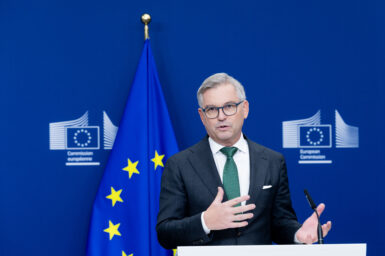
European Commissioner for Budget, Anti-Fraud and Public Administration Piotr Serafin welcomed the report’s recommendations during Monday’s debate.
While Parliament’s resolution is not legally binding, its recommendations will feed into the Commission’s review of the EU’s anti-fraud system. The Commission is due to present its reform proposals in early 2027.